Lakey Peak Surf Guide | Hu’u Sumbawa

Lakey Peak Surf Guide | Hu’u Sumbawa

How to read this: Sumbawa Luxury is an independent concierge guide — we curate and compare eco-luxury stays, surf trips and island experiences, then arrange your booking through a vetted operating partner. We do not own or operate the resorts, and resort or brand names (including any historical Aman/Amanwana reference) are used only as neutral examples, not claims of affiliation. Prices are by quote and vary by property, season and party; figures here are indicative. Flights, ferries and surf seasons change — confirm before you travel. This is general information, not a binding offer.

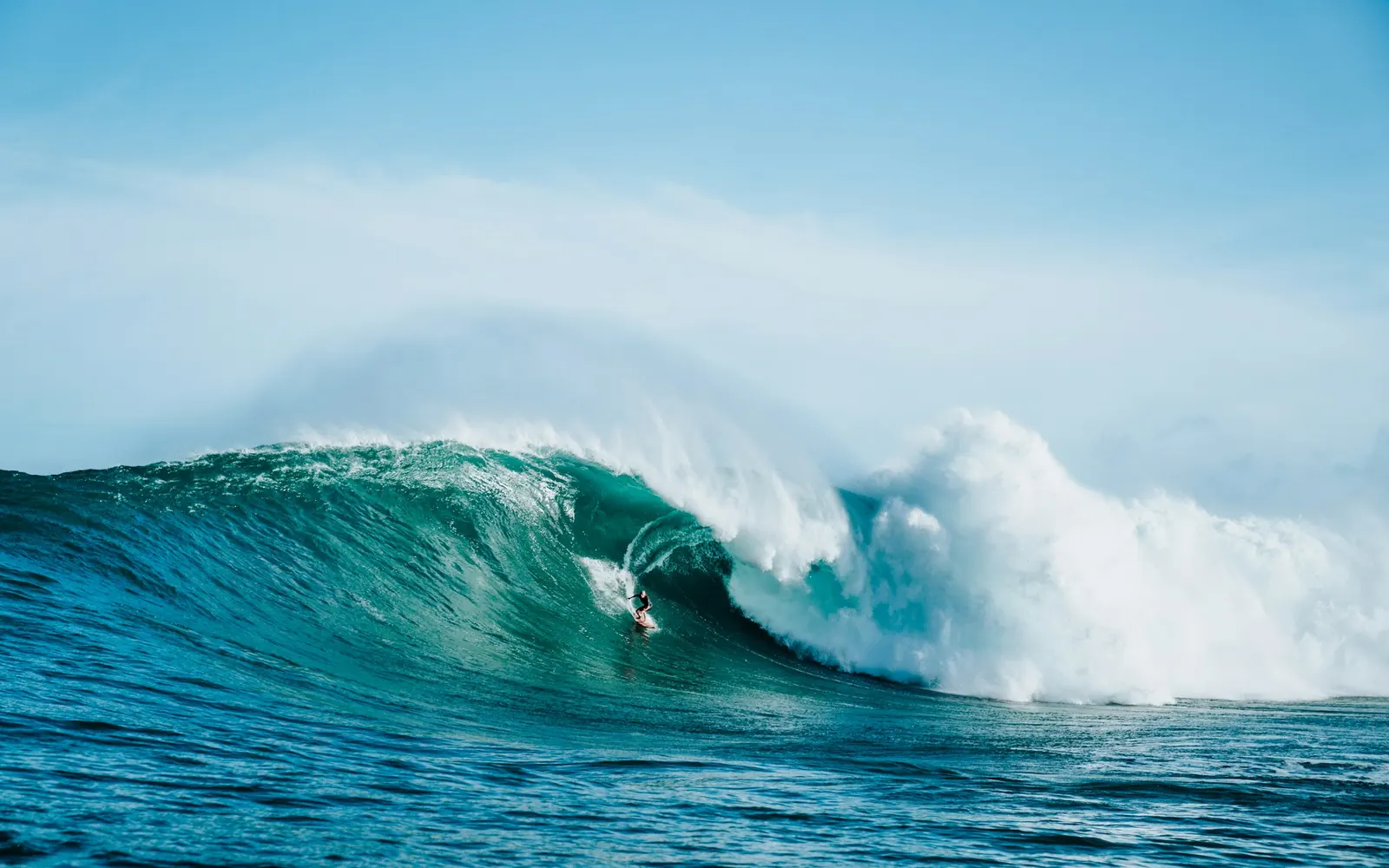
Lakey Peak surf is shorthand for a compact, wave-rich bay at Hu’u, in Dompu, southern Sumbawa, that offers multiple high-quality reef breaks in one place. It’s a world-class, relatively low-key alternative to Bali, where experienced surfers come for consistent walls, hollow sections and a slower, village-paced rhythm on land.

Lakey is not a single wave. It’s a cluster of reef breaks — Lakey Peak, Lakey Pipe, Nungas and Periscopes (plus a few minor options) — all sitting within a short paddle, boat ride or walk of each other. The set‑up makes Hu’u Sumbawa surf days feel dense: a lot of rideable waves, very little driving.

As Sumbawa Luxury, we don’t own camps or run boats at Lakey. We document the place honestly, compare stays and operators, then connect you to a vetted on-the-ground partner to plan and book. No one can pay to change what we publish; if you proceed with our partner they may pay us a referral fee at no extra cost to you.


Where Lakey Peak and Hu’u Sit in Sumbawa

Hu’u is a coastal district in Dompu Regency, on the south-central coast of Sumbawa island in West Nusa Tenggara, Indonesia. Lakey Peak sits in the bay fronting Hu’u village, about halfway along Sumbawa’s south shore between the more famous West Sumbawa surf zones and the more remote eastern headlands.

Logistically, think of it this way:

  • Island: Sumbawa (east of Lombok, west of Flores)
  • Region: Dompu Regency, southern coast
  • Local area: Hu’u district and Lakey Beach
  • Access hub: Bima (BMU) or Dompu overland

Hu’u is a fishing and farming community first, surf destination second. Lakey Beach (sometimes written Lakey Beach Surf) refers to the arc of sand fronting the reef where the main breaks sit. Development is tightly clustered: a strand of basic-to-comfortable surf stays, a few warungs, small shops, and plenty of space between things. No malls, no clubs, little in the way of non-surf nightlife.

You come here for:

  • Dense surf options in walking/paddling distance
  • A mostly Indonesian village atmosphere
  • Long, empty-feeling horizons on land

And you accept:

  • Limited dining variety
  • Patchy English outside surf operations
  • Travel time from Bali, Lombok or Jakarta

Hu’u sits in the dry belt of southern Nusa Tenggara. Expect warm days, strong sun and a landscape that browns off as the dry season deepens.


The Lakey Bay Line-up: Key Breaks and Who They Suit

Lakey Bay is an efficient surf playground: several distinct reef breaks, each with its own mood. None are true beginner spots — these are all reef waves with real power, even on smaller days — but there is a spectrum from user-friendly walls to heavier, hollower sections.

Below is a simplified comparison of the main Hu’u Sumbawa surf options:

Break Type Experience level Best board General character
Lakey Peak Left & right over coral reef Intermediate–advanced Performance shortboard Consistent, mechanical peaks; barrel sections, handles crowds
Lakey Pipe Hollow right over shallow reef Advanced Shortboard, step-up on bigger days Heavier, steeper, barrel-focused
Nungas Long left over reef Solid intermediate–advanced Shortboard, fish, twin, mid-length Playful to powerful; long walls, sometimes very long rides
Periscopes Fast right over reef Advanced Responsive shortboard Racy, technical, tubes on its day

All of these sit within a few kilometres of each other, with Lakey Peak and Lakey Pipe directly in front of the main accommodation strip.

Lakey Peak

Lakey Peak is the anchor: a wedging A‑frame reef peak directly off Lakey Beach, accessible by a short paddle or a quick paddle-out with a helper on the rip. It’s the most surfed wave in the area, and for good reason.

  • Shape: A defined peak that breaks left and right over relatively even coral. The left is often longer and more consistent, the right a bit shorter but can be punchy.
  • Feel: Mechanical, almost skate-park predictable on good days. Takeoffs into steep walls, with barrel sections and cutback shoulders. Not as heavy as Indonesia’s gnarliest slabs, but not soft either.
  • Crowds: By Sumbawa standards, Lakey Peak is busy. By Bali standards, it is still manageable most of the season, especially outside peak swell windows or shoulder hours. More surfers in the dry season, fewer in the wet.
  • Tide: Very tide-sensitive, with a defined “sweet spot” most days. Too low and the reef gets uncomfortably close; too high and the wave can fatten out. Your local guide or camp operator will tune you in each morning.

Who it suits:

  • Confident intermediates looking to level up in reef waves
  • Advanced surfers hunting reliable, photogenic sessions
  • Anyone who wants to surf multiple times a day without driving

What to know:

  • It can look easy from the beach. Up close, the pace and positioning are demanding if you’re new to reefs.
  • There’s a bailout channel, but you need to understand it; first sessions with local guidance help.

Lakey Pipe

Lakey Pipe sits slightly around the point from Lakey Peak, still within straightforward paddle/boat range. The name is not a marketing flourish; on the right swell and tide, this is a legit hollow wave.

  • Shape: Right-hander over a shallower section of reef, with a more abrupt drop and knuckled lip than Lakey Peak.
  • Feel: Heavier, more critical. Less forgiving of late takeoffs, wrong lines or hesitant turns. When it’s on, the desired outcome is simple: pull in, travel, exit.
  • Crowds: Smaller pack than Lakey Peak, skewed more to experienced, comfortable-in-the-pocket surfers.

Who it suits:

  • Advanced surfers with committed reef experience
  • Tube-focused shortboarders comfortable with intensity and consequences

What to know:

  • Falls here are far less benign than at a soft beach break.
  • A helmet is worth considering if you plan to push on hollow days.

Nungas Surf

A short way up the bay from Lakey Peak, Nungas is a long, tapering left that can offer some of the longest rides in the area when conditions align.

  • Shape: A reef that lines up into a running left, starting with a steeper bowl and then easing into playful carve sections. On a good swell, sections connect into long, leg-burning rides.
  • Feel: Less intense than Lakey Pipe, but still powerful. The takeoff can be punchy; further down the line, it becomes more about flow than survival.
  • Crowds: Typically less concentrated than Lakey Peak, partly because of the paddle/boat distance and the length of the wave; people spread out along the line.

Who it suits:

  • Solid intermediates who are reef-aware and ready for length
  • Advanced surfers hunting long, high-line carves and linking sections
  • Twin/fish/mid-length riders who like drawing lines rather than just hitting sections

What to know:

  • You need enough cardio for long paddles and long waves.
  • On bigger days, the end section can re-form with some punch; keep something in reserve.

Periscopes Sumbawa

Periscopes is a right-hander on the headland further along from Lakey, accessed by boat or a longer drive/walk combo depending on where you’re staying and the operator you’re with.

  • Shape: A fast, racy right over a fairly shallow, defined reef. Different sections turn on with different tides and swell angles; sometimes you get short, intense barrel sections, other times long racing walls.
  • Feel: More “high-performance” than Lakey Peak on its better days, with line speed and sections asking for committed turns.
  • Crowds: Less consistent than Lakey Peak — partly because of access — so you can score lighter sessions, but don’t expect to be alone in prime season.

Who it suits:

  • Advanced surfers with quick reflexes and comfort in fast rights
  • Those willing to chase a bit for variety beyond the main bay

What to know:

  • It’s more exposed to wind shifts than the core bay; timing matters.
  • You’re not right in front of camp here, so bring what you need (water, zinc, small kit for cuts).

Skill Levels, Hazards and Honest Risk Profile

Hu’u delivers high-quality waves, but it’s not a learning beach. All the key Lakey Peak surf options break over coral reef. For many surfers, that’s the point — defined shapes, clean lines, real consequences. It also means being realistic about where you are in your surfing life.

Who Lakey is for

Lakey and the wider Hu’u Sumbawa surf area are best suited to:

  • Intermediate to advanced surfers who:
  • Can confidently take off on chest‑high+ waves consistently
  • Are comfortable generating and controlling speed on a reef wave
  • Can navigate a line-up with etiquette, priority and awareness

  • Returning Indonesian travellers who’ve done Canggu/Kuta and want:

  • Fewer scooters in the line-up
  • More waves per hour of water-time
  • A simpler, surf-first daily rhythm

  • Surf travellers on longer trips connecting West Sumbawa, Lakey and possibly Flores or Rote into a longer arc.

Beginners:

  • True beginners are better off learning elsewhere (e.g. sand-bottomed spots in Bali or Lombok) and coming to Lakey once they’re comfortably intermediate.
  • Some camps will advertise “beginner” packages; in practice, that usually means soft, small days on the inside or trips to alternate beaches further afield when conditions allow. We recommend honest pre‑trip conversations about your level.

Reef and impact hazards

The hazards here are not unique to Lakey, but they’re real:

  • Coral reef: Sharp, uneven, living. Cuts are common; deeper lacerations possible on heavier days or at low tide.
  • Shallow sections: Particularly at Lakey Pipe and certain tides at Periscopes.
  • Rips and channels: Useful for getting out, problematic if you don’t understand them.
  • Boards and other surfers: Busy spells at Lakey Peak mean more foam, fins and rails in motion.

Practical mitigation:

  • Reef footwear is not typical in the main line-up; it impairs board feel and doesn’t prevent serious injury at speed. Focus instead on smart positioning, controlled exits and respecting your limits.
  • A helmet is an individual call; some advanced surfers choose one for Lakey Pipe or very shallow sessions.
  • Keep tetanus shots up to date and travel with a small first-aid kit plus reef-safe antiseptic. Local clinics can handle routine cuts; serious injuries may require evacuation via Dompu or Bima.

Local etiquette and line‑up culture

Lakey has a long surf history. There is a local crew, and there are long‑stay regulars who return season after season.

  • Respect standard priority rules — no snaking, no burning.
  • Respect locals on set waves. The atmosphere tends to be firm but fair; attitude matters.
  • On heavy days at Lakey Pipe or Periscopes, treat it like any world-class reef: if you’re not 100% sure, watch first or sit wide.

Season, Swell and Wind: When to Surf Lakey Peak

Lakey gets waves year‑round, but different months favour different styles of trip. As with any surf destination, there are no guarantees — swells and winds vary year to year — but patterns are clear enough to plan around.

Core surf season

Lakey’s best window broadly overlaps the Indonesian dry season:

  • Primary swell season: Roughly April–October
  • Shoulder months: March and November
  • Off/quiet months: December–February (still surfable, just less reliable for size and wind)

In the main months:

  • Indian Ocean swells march through with regularity.
  • Lakey Peak, Lakey Pipe, Nungas and Periscopes all see consistent activity.
  • Trade winds and local breezes tend to be more predictable.

Wind and daily rhythm

The classic pattern here (subject to seasonal and daily variation) is:

  • Mornings: Lighter winds, more glassy or groomed conditions — prime time.
  • Afternoons: Increased onshore tendencies, especially on more exposed faces. Lakey Peak can stay surprisingly workable in moderate wind thanks to its shape; other breaks are more sensitive.
  • Evenings: Occasional glass-offs in certain months, but not something to bank an entire trip on.

Many surfers aim for:

  • First paddle to Lakey Peak at first light
  • Breakfast / rest
  • Midday session at Lakey Peak or Nungas if wind allows
  • Afternoon chase to Periscopes on the right day

Size expectations

On an average season (again, not guaranteed):

  • Lakey Peak: Super consistent in the waist‑high to overhead range; handles size better than you might expect when the period is right.
  • Lakey Pipe: Needs bit more swell and the right tide to wake up properly; on small days it can be scrapier.
  • Nungas: Loves a bit of size — often better with a more solid swell, turning long and powerful rather than small and fiddly.
  • Periscopes: Good from shoulder‑high upwards, transforming from a fast wall into something very serious as the swell builds.

Off‑season (Dec–Feb), you can still surf, but:

  • Smaller and more inconsistent swell
  • Higher chance of onshore wind and rain
  • Fewer visiting surfers (which some people actively seek)

If you have flexibility and want the best odds of classic Hu’u Sumbawa surf, target May–September for a first trip.


Where to Stay for Lakey Peak Surf

The Lakey area is compact. Most surf accommodation is strung along or just behind Lakey Beach, within walking distance of the Lakey Peak paddle‑out. A few properties sit slightly further back or along the bay, trading direct waterfront for quieter surroundings.

Across the area you’ll find:

  • Simple surf camps with fan or basic AC rooms
  • Mid-range, surf‑smart guesthouses with better finish
  • A handful of more “eco-luxury” leaning stays, often with more space, gardens and higher service levels

You will not find:

  • International chain hotels
  • High-rise resorts
  • Large, self-contained “everything under one roof” complexes

Because operator names and offerings change, we don’t list them here. Instead, we:

  • Maintain an up‑to‑date private short‑list of stays we’ve inspected or whose standards we’ve verified through trusted partners
  • Match you to options based on:
  • Budget and comfort expectations
  • Surf focus (are you here to surf dawn to dark, or mix in remote beaches, waterfalls and boat trips?)
  • Group size (solo, couple, family, crew of friends)
  • Desired level of support (full guiding vs light‑touch)

Typical accommodation features

  • Rooms: From simple fan-cooled rooms with private bathrooms to modern AC suites with better bedding and hot showers.
  • Food: Most places run in‑house kitchens serving Indonesian staples (nasi goreng, curries, fresh fish) plus basic Western comfort food. Variety is limited compared to Bali, but ingredient freshness — especially fish, fruit and vegetables — can be high.
  • Surf services:
  • Board storage
  • Boat transfers to breaks like Nungas and Periscopes (often at extra cost)
  • On‑site or on‑call surf guides
  • Photo/video services are sometimes available through independent shooters in season.
  • Non‑surf amenities:
  • Basic pools at some mid‑range and above stays
  • Scooter rental
  • Simple massage options
  • Wifi (usually available, but speeds and reliability vary; workable for messaging, hit-or-miss for heavy remote work).

Price ranges (by-quote, last verified June 2026)

Prices fluctuate with season, occupancy and inclusions. As a rough orientation:

  • Budget surf camp rooms:
  • Around USD 20–40 per room per night, often fan or simple AC, sometimes including breakfast.
  • Mid-range surf stays:
  • Roughly USD 50–100 per room per night, typically AC, better finish, sometimes with half‑board options.
  • Higher-comfort / eco-luxury options nearby or in the region:
  • From around USD 120–250+ per room per night, depending on exact location, room size and meal plans.

These are guide ranges, not promises. We source up‑to‑date quotes trip by trip and present you with options that match your brief.

For a personalised short‑list of Lakey surf stays and by‑quote pricing, you can plan your trip with us — including WhatsApp‑based planning for easier back‑and‑forth.


Planning a Lakey Peak Surf Trip

A smooth Lakey surf trip comes down to a few big decisions: how you get there, how long you stay, how you structure your surfing days, and what you expect from the place.

How to Get to Hu’u / Lakey Peak

There is no direct international access to Lakey. You’ll connect via Indonesian hubs, then go overland.

Most travellers route via:

  • Bali (DPS) or Jakarta (CGK) into Bima (BMU) on Sumbawa
  • From Bima it’s an overland transfer to Lakey / Hu’u

Alternative routings via Lombok and Sumbawa Besar exist, but Bima tends to be the most direct for Lakey specifically.

For a more detailed breakdown of options, including boats and inter‑island hops within Sumbawa, see our guide to how to get to Sumbawa.

Transfers:

  • The drive from Bima to Lakey typically takes several hours (often in the 3–4 hour range, traffic and road conditions dependent).
  • Most surf stays can arrange private car transfers via local drivers at by‑quote rates.

Domestic flights can shift schedules and frequencies; planning a buffer night in Bali, Lombok or Jakarta on either side is often sensible, especially if you’re connecting to long‑haul flights.

How long to stay

Given the travel time, a Lakey trip rewards staying long enough to ride out flat spells or onshore windows.

  • Minimum: 5–7 nights (a “taste” plus room for a few solid days)
  • Comfortable: 10–14 nights (time to learn the reefs and pick your moments)
  • Extended: 3–4 weeks (popular with remote workers who can operate on lighter wifi, or sabbatical surfers)

Lakey also works as a segment in a broader Sumbawa surf arc:

  • Combine West Sumbawa surf (for different breaks and a few more creature comforts) with Lakey — see our West Sumbawa surf guide.
  • Continue further east across Nusa Tenggara if you have more time and appetite for remoteness.

Daily structure: surf first, everything else second

A typical Lakey day for committed surfers:

  • Dawn: First light paddle to Lakey Peak
  • Morning: Breakfast, rest, second session at Peak or Nungas depending on wind and tide
  • Afternoon: Periscopes or Lakey Pipe on the right day; otherwise a late session back at Peak if the wind behaves
  • Evening: Simple dinner, early night

For non‑surfing partners or “one session a day” surfers, we help build in:

  • Walks along the bay
  • Occasional drives to more remote beaches or viewpoints
  • Waterfalls and short hikes inland (season and access dependent)
  • Reading, hammocks, and pool time where available

This is more quiet‑rhythm island life than high‑energy resort schedule.

What it costs overall

Total trip cost depends heavily on:

  • Origin (and therefore flight cost)
  • Length of stay
  • Accommodation level
  • How often you hire boats or guides

As a very broad orientation (last verified June 2026), excluding international flights:

  • Budget‑minded surf trip (7–10 nights):
  • Shared or simple room, local warung meals, limited boat use
  • Rough ballpark from the mid hundreds of USD upwards per person

  • Comfortable mid‑range surf trip (10–14 nights):

  • AC room in a mid‑range stay, some guided surf, some boat trips
  • Often starting in the low thousands of USD per person

  • Higher‑comfort segment in a wider Indo trip:

  • Eco-luxury or high‑comfort stays, private transfers, flexible guiding
  • Part of an itinerary that may run several thousand USD per person across multiple destinations

For a more precise sense of budgets across Sumbawa — not just Lakey — see our Sumbawa trip cost guide.

We price Lakey trips by quote, based on live rates from our partners at the time of enquiry.

Why use a concierge guide instead of booking blind

Lakey is not complicated, but it is variable:

  • Some camps are well‑run, surf‑smart and honest.
  • Others can be inconsistent on maintenance, guiding quality or communication.
  • Online reviews tend to skew either very positive or very negative, with little nuance.

Our role:

  • We don’t own or operate Lakey camps.
  • We track who is currently delivering on expectations.
  • We match you to operators based on fit, not who shouts loudest online.
  • We flag trade‑offs: the place with the best food might not be the closest paddle‑out; the quietest rooms might be a short walk further back.

If you want help sifting through options and locking in logistics, plan your trip with us. We can continue the conversation on WhatsApp for faster tweaks as flights, swells and plans evolve.


How Lakey Compares to Other Sumbawa Surf Zones

Choosing Lakey is partly about what you’re not choosing.

Compared to West Sumbawa surf areas:

  • Lakey / Hu’u:
  • More compact: multiple waves in one bay, less driving
  • Slightly more “surf‑village” concentrated feel
  • Limited non‑surf amenities

  • West Sumbawa:

  • More spread: world‑class breaks but more distance between them
  • Slightly broader range of stays, from basic to more polished eco-luxury
  • Easier combination with certain overland routes and other attractions

Compared to Bali:

  • Lakey gives you:
  • Lower overall crowd density, especially outside peak swells
  • Fewer distractions and less urban sprawl
  • A clearer surf‑first daily rhythm

  • But you give up:

  • Dining variety and nightlife
  • Short internal travel times
  • A long list of non‑surf attractions within 30 minutes

If your priority is maximising surf quality and quantity while accepting simpler surroundings, Lakey is likely to feel right. If you want a 50/50 surf‑social holiday with lots of restaurant choices and shopping, other bases in Indonesia may serve you better.


Is Lakey Peak Right for You?

Lakey Peak surf is for travellers who care more about reef lines and paddle‑outs than pool menus and beach clubs. It’s for intermediate and advanced surfers ready to be honest about their skills and respectful in a tight‑knit line‑up. It’s for those happy to trade a bit of convenience for walls, barrels and a village‑paced life.

If that sounds like you, we can help you:

  • Decide on the right month and trip length
  • Choose between Lakey‑only or a multi‑stop Sumbawa itinerary
  • Compare surf stays honestly, based on verified current standards
  • Stitch together flights, overland transfers, guiding and down‑days

To start planning — or just to sanity‑check an idea you already have — plan your trip. Ask for WhatsApp planning if you want quick, informal back‑and‑forth as we shape the details.


Is Lakey Peak suitable for beginners?

Not really. All main Lakey breaks are coral reef waves with real power. True beginners are better off learning at sand-bottom spots (for example in Bali or parts of Lombok) and coming to Lakey once they’re confidently intermediate and reef-aware. Some camps advertise beginner packages, but those usually rely on smaller days, inside sections or alternate beaches when conditions allow.

Do I need a guide to surf Lakey Peak?

You can technically paddle out unguided, but for your first sessions a local guide is strongly recommended, especially if you’re new to reefs. Guides help with entry and exit points, rip use, tide timing, and basic etiquette with the resident crew. After a few guided surfs, many visitors feel comfortable navigating on their own.

What boards should I bring for Hu’u Sumbawa surf?

Most surfers are happiest with a 2–3 board quiver: a daily-driver shortboard for Lakey Peak and Periscopes, a slightly longer or more volume board (or twin/fish) for Nungas and smaller days, and optionally a step-up if you plan to chase bigger swells or heavier sessions at Lakey Pipe. Board rental options exist but are limited and quality varies, so bringing your own is strongly preferred.

Is Lakey crowded?

By global standards, Lakey is still relatively low-key. Lakey Peak itself can feel busy at key tides in peak season, but with several breaks in the bay and a long season, most competent surfers still catch far more quality waves per day than they would at comparable-level spots around Bali. Shoulder seasons and off-peak times of day are naturally quieter.

Can non-surfers enjoy a trip to Lakey?

They can, if their expectations match the place. Non-surfers who enjoy reading, walking the beach, simple village life and occasional day trips to beaches or inland waterfalls often settle into the slower rhythm. Those wanting shopping, nightlife and extensive dining options will be better served in more developed parts of Indonesia.

Plan Your Trip
WhatsAppPlan Your Trip