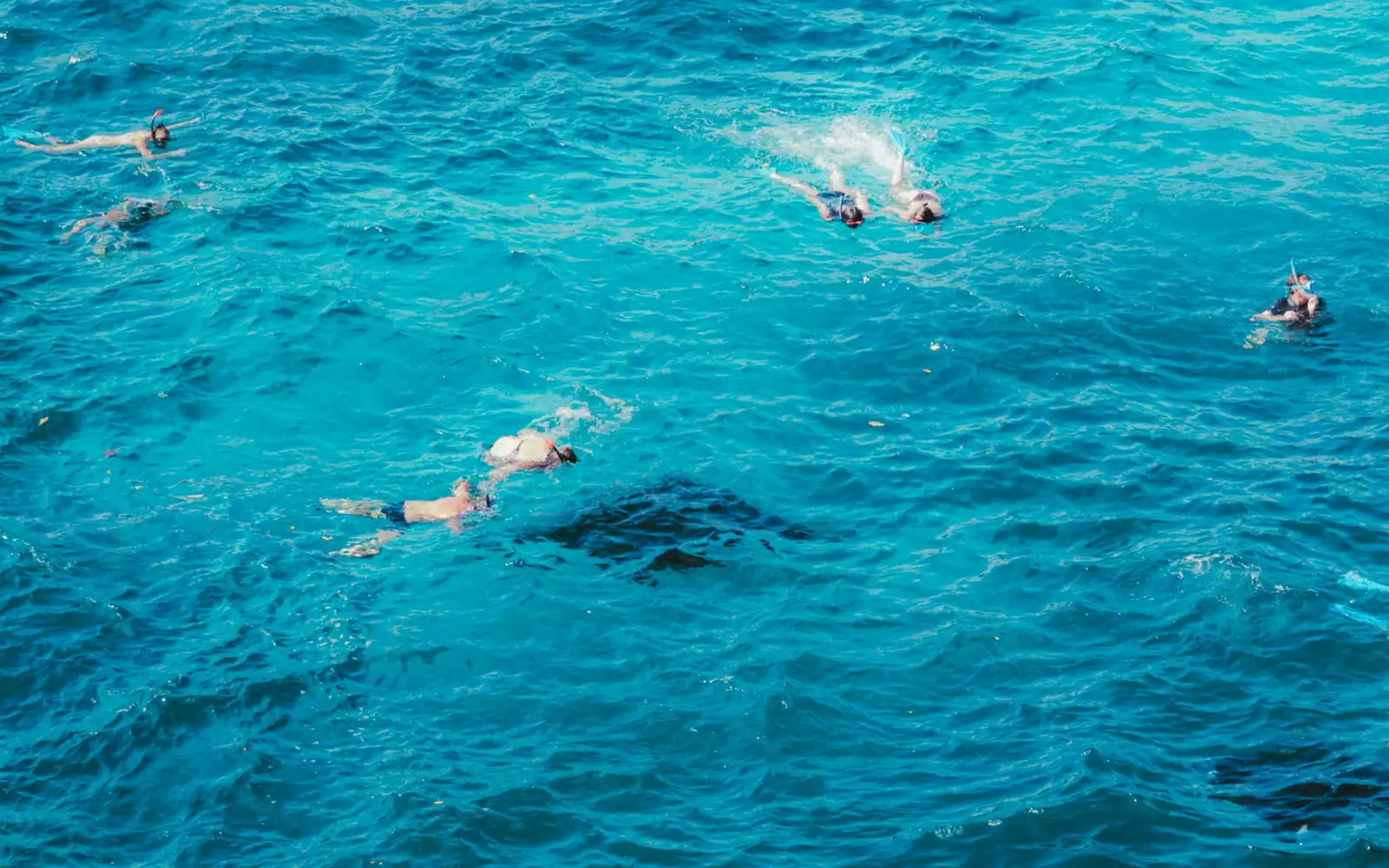
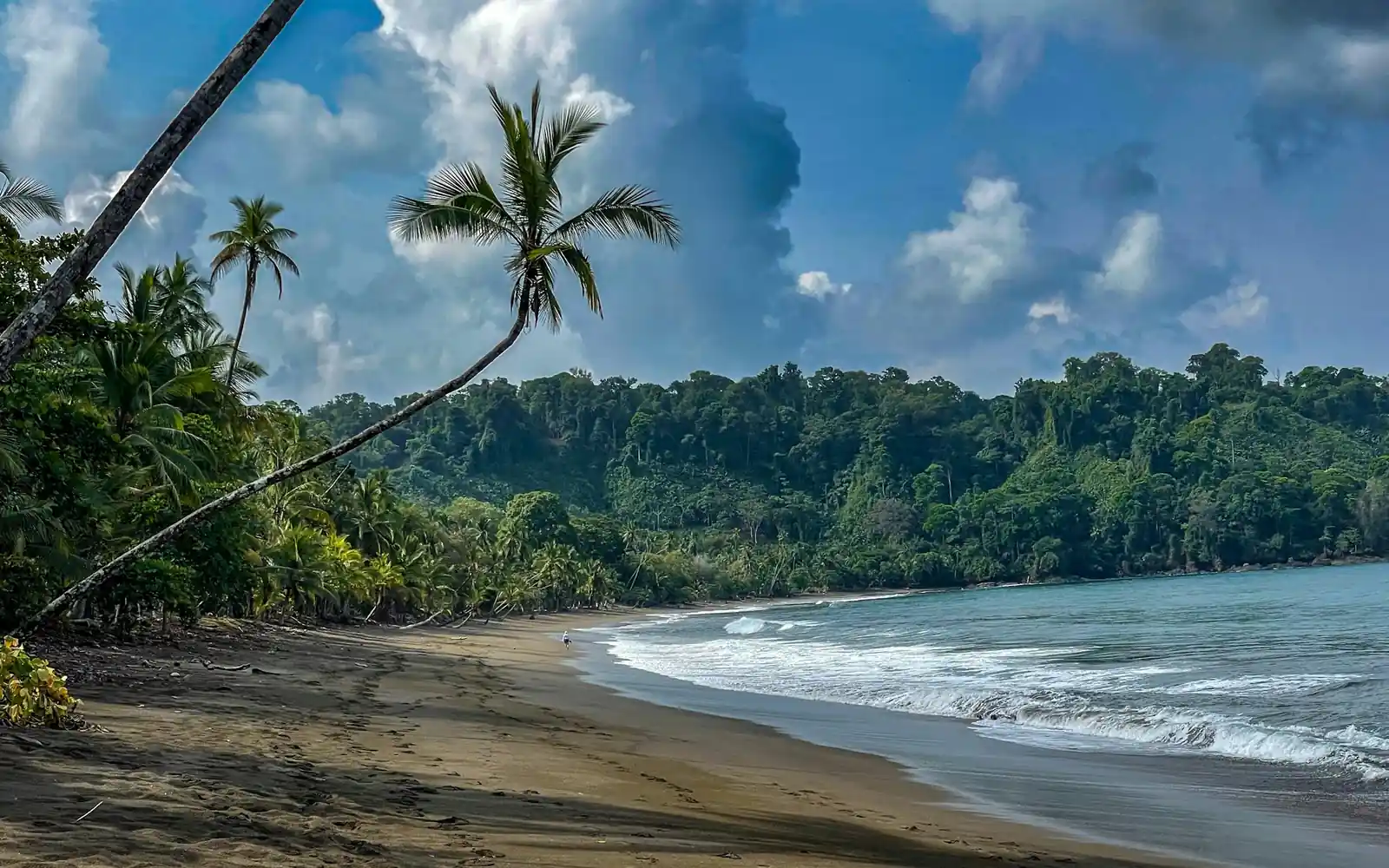
West Sumbawa Coves
Pocket beaches between the surf points. Beautiful, and swimmable only on the calmer days.
- Water
- Variable, swell-exposed
- Access
- Road, then short walk
West coast
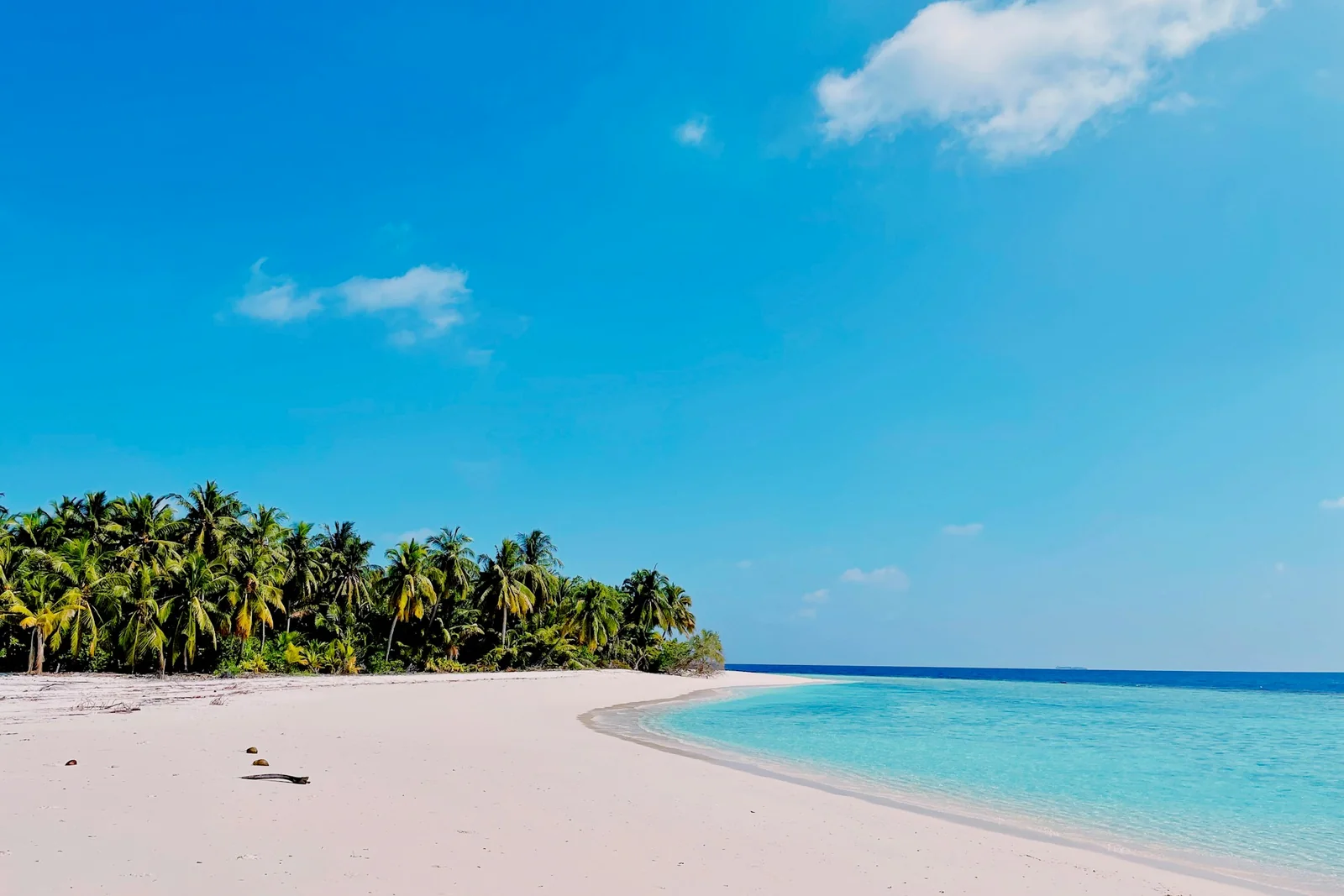
Remote sand and reef along a coastline that is still, for now, far quieter than Bali. Some of it you drive to. Some of it only arrives by boat.
A swell-facing island, not a lagoon destination — which is exactly why the reefs stay healthy and the sand stays empty.
The north coast and the islands give you flat, clear water. The south and west give you surf, and are not for casual swimming.
Knowing which coast you are on decides whether a day is snorkelling or standing on the sand watching it.
Where to look
The island is long and its coasts behave differently on the same day.
Pocket beaches between the surf points. Beautiful, and swimmable only on the calmer days.
West coast
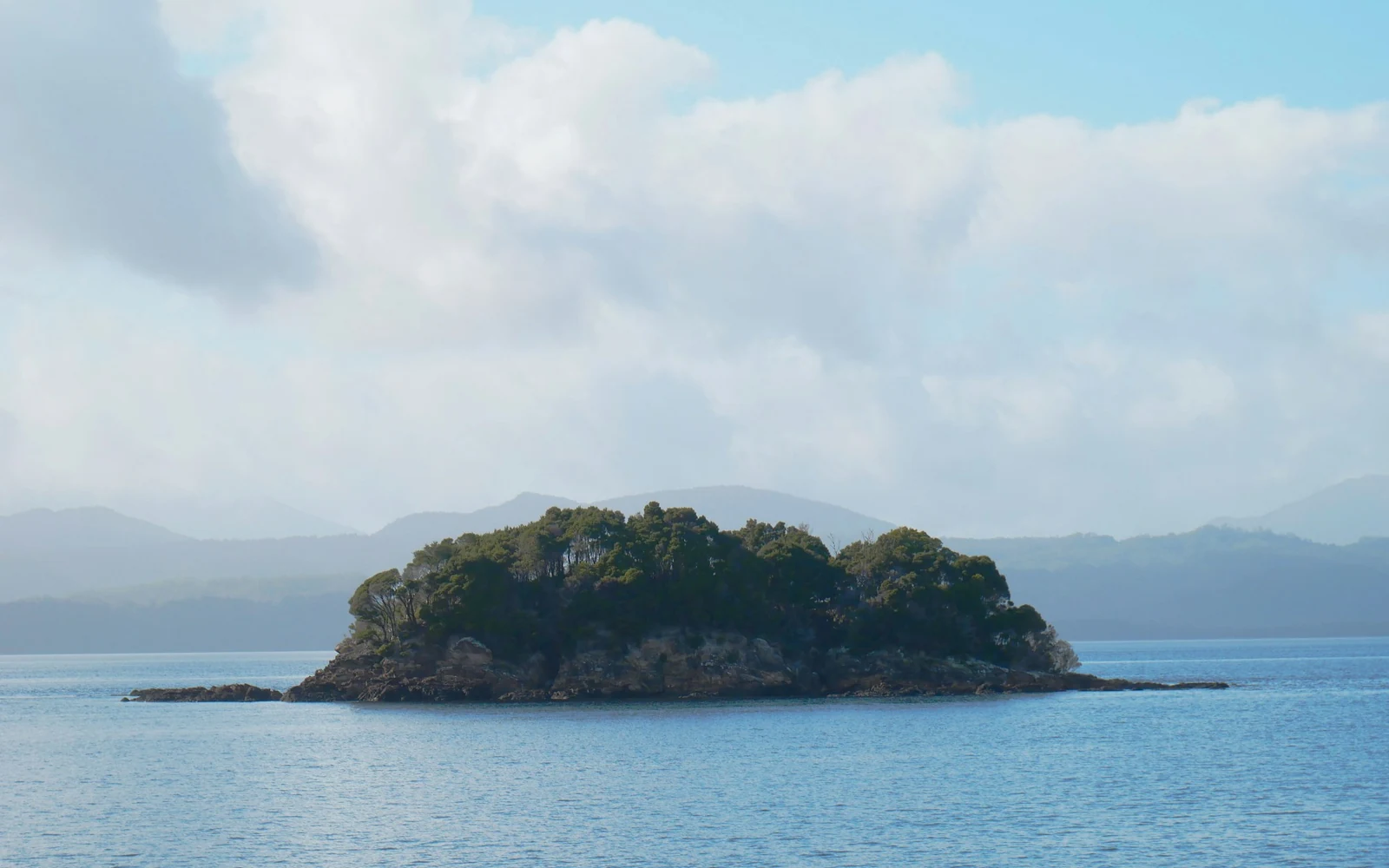
Long empty arcs of sand with reef passes offshore. Dramatic, remote, and rarely for swimming.
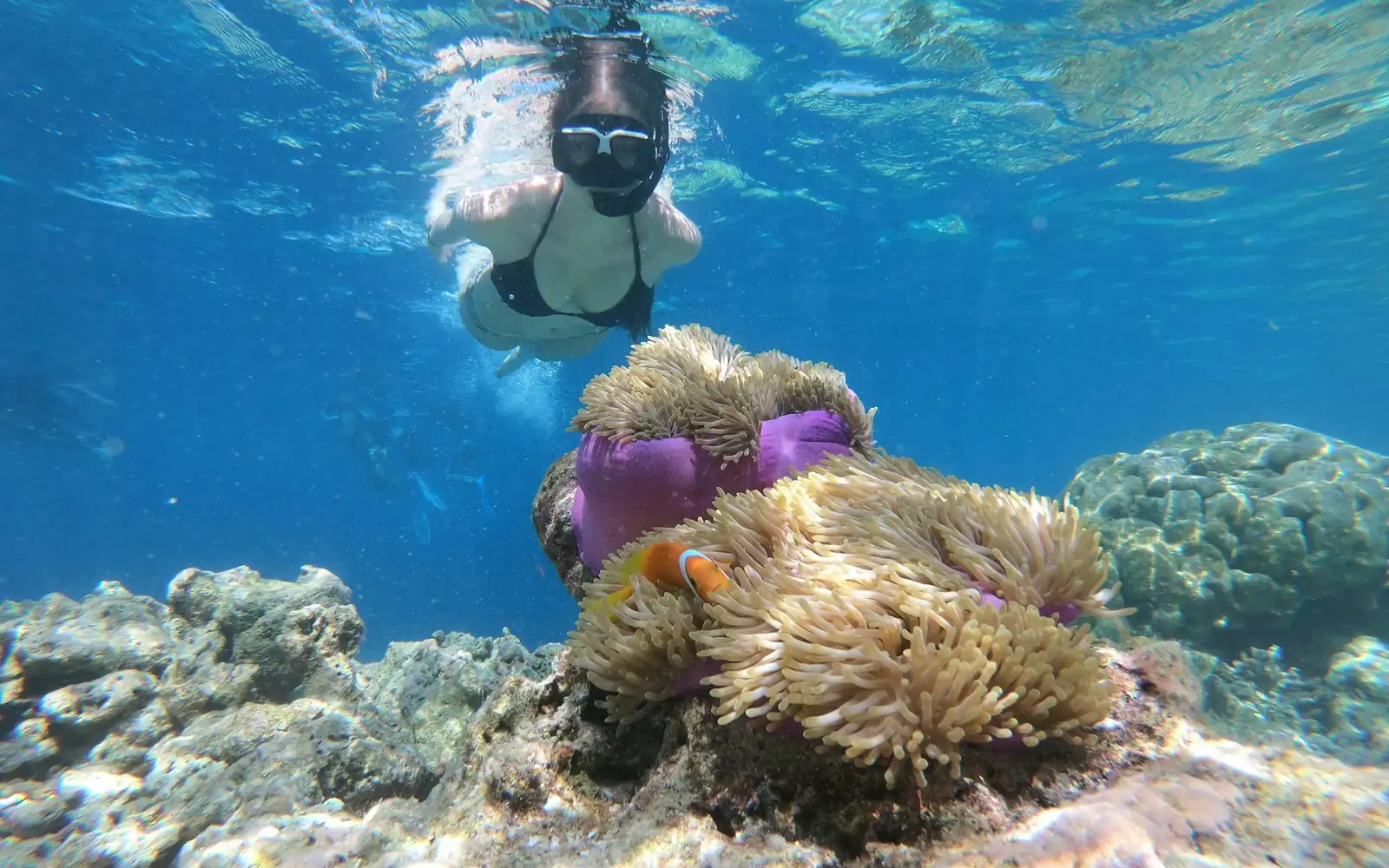
The best snorkelling within reach. Hard coral straight off the sand, and reef fish in numbers.
Moyo stays
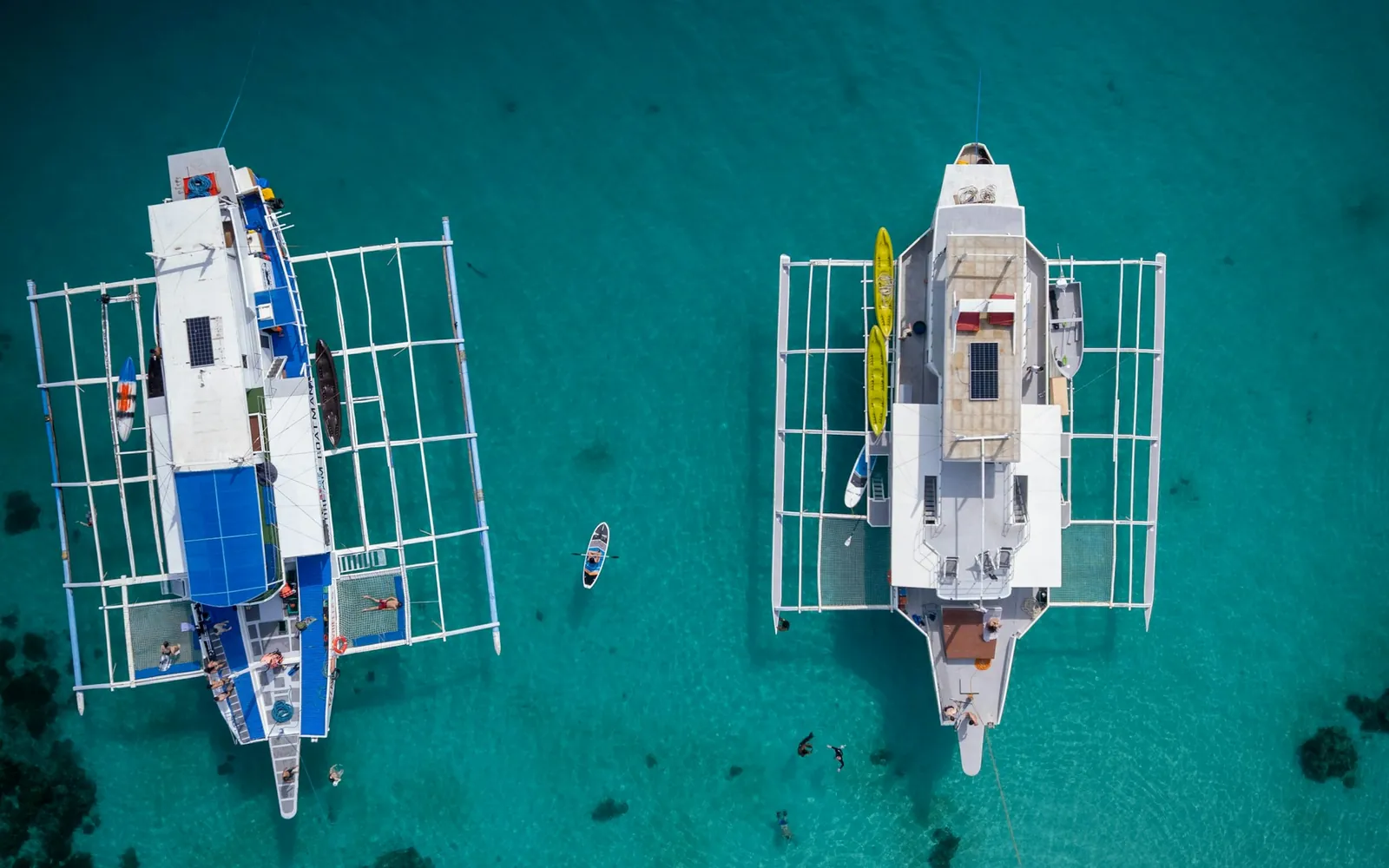
Protected water, sandbars and islets. The reliable choice when everywhere else is blown out.
Saleh Bay
Good, in the right place, at the right hour. Not Raja Ampat, and we will not pretend otherwise.
Ten to twenty-five metres on a good dry-season morning. It drops fast after rain and in the afternoon chop.
Hard coral, reef fish, the occasional turtle and reef shark. Healthy rather than spectacular in most spots.
Mornings. Wind gets up around eleven almost everywhere and turns clear water into soup.
No lifeguards anywhere. Currents run between islands, and the nearest help is a boat ride away.
Access is the difference between a beach you have heard of and one you have to yourself.
Asphalt to a village, then a short walk. Quiet by any standard, but not yours alone.
An hour of unsealed road, high clearance, and a driver who has been before.
The islands and the coves with no road behind them. This is where the day trips are worth their cost.
No beach here is private in the legal sense. What you are buying is distance and a boat, not exclusivity — and anyone selling you a private beach is selling a walk to an empty one.
Before you write
Send your dates and where you are staying. We come back with the beaches within reach, which need a boat, and which mornings to go.
Free, no obligation. We curate and arrange via a vetted partner — we do not own or operate the resorts.