Saleh Bay Whale Shark | Swim Guide

Saleh Bay Whale Shark | Swim Guide

How to read this: Sumbawa Luxury is an independent concierge guide — we curate and compare eco-luxury stays, surf trips and island experiences, then arrange your booking through a vetted operating partner. We do not own or operate the resorts, and resort or brand names (including any historical Aman/Amanwana reference) are used only as neutral examples, not claims of affiliation. Prices are by quote and vary by property, season and party; figures here are indicative. Flights, ferries and surf seasons change — confirm before you travel. This is general information, not a binding offer.

The saleh bay whale shark experience is seasonal, early-morning snorkeling with wild whale sharks around traditional fishing platforms in a calm bay on Sumbawa’s north coast. It’s a quieter, more low-key way to swim with whale sharks in Sumbawa than Indonesia’s headline spots, with simple boats, village operators and a focus on going slowly and respectfully.

Sumbawa Luxury is an independent eco-luxury and surf concierge guide: we compare options, decode logistics and then connect you to a vetted operating partner to book. We don’t own boats or bagan platforms; we curate the best of what’s really on the water, tell you the trade-offs, and help you plan by quote.

Where Saleh Bay is & how to reach it

Saleh Bay (Teluk Saleh) is a broad, protected bay on the north coast of central Sumbawa, roughly opposite Moyo Island. Think of it as a long, flooded valley sheltered from open-ocean swell: calm seas most of the year, villages scattered along the shore, and traditional lift-net fishing platforms, or bagan, anchored in the deeper sections.

Most whale shark Sumbawa trips here depart from small ports or jetties on the eastern side of the bay. Exact departure points vary by operator and conditions, but the general access pattern is consistent.

Getting to Sumbawa first

You’ll need to reach Sumbawa by air or sea before continuing to Saleh Bay. For a full breakdown, see our guide on how to get to Sumbawa, but the main routes are:

  • By air to Sumbawa Besar (SWQ): Short domestic flights from Lombok and sometimes from Bali or Surabaya (routes change seasonally). From Sumbawa Besar airport to typical Saleh Bay departure points is roughly 1.5–3 hours by road, depending on where your boat departs.
  • By fast boat + car via Lombok: Overland through Lombok, public ferry to Poto Tano (west Sumbawa), then private transfer eastwards (allow a full travel day from south Bali resorts).

Reaching Saleh Bay from key hubs

From Sumbawa Besar town
Plan around 2–3 hours by car to reach village departure points used for most Saleh Bay tours (road times vary with which jetty is in use and current roadworks).
From Moyo Island
Most guests will boat back to Sumbawa Besar or a nearby port, then continue overland to the bay. As a day-trip combo it is long but possible; many travellers choose an overnight near the bay or in town to make the dawn start manageable. For Moyo stays, see our Moyo Island resort guide.
From west Sumbawa surf areas
From Yoyo’s, Tropicals or Scar Reef, expect 5–8 hours overland to reach the north-central coast, usually via Sumbawa Besar. Doing Saleh Bay as a pre- or post-surf add-on often makes more sense than a quick in-and-out excursion.

Transfers can feel long on the map, but the roads cross quietly beautiful country: low hills, rice fields, glimpses of the bay. This is still rural Sumbawa, not a resort belt, so expect warungs and village kiosks, not highway cafés.

The Saleh Bay whale shark experience

The core of the experience is simple: an early start, a small local boat, and time in the water around bagan platforms where whale sharks sometimes feed on discarded bait fish. Saleh Bay snorkeling trips focus on being in the water, not ticking off a long list of sights.

How the bagan platforms work

Bagan are traditional lift-net fishing platforms—timber structures anchored in deeper parts of the bay, with lights and nets deployed at night to attract small fish. Whale sharks have learned that these platforms can mean an easy meal: scraps, bait fish and occasional dropped catch in the water column.

In Saleh Bay, this interaction is still relatively low-key compared with heavily marketed whale shark hubs elsewhere in Indonesia. You’re likely to be sharing the area with a handful of small boats rather than a flotilla, though that can change if the experience gains popularity. The sharks are wild and free to come and go; they are not penned or chained.

On the day: a typical schedule

  • Pre-dawn wake-up: Most trips start early—think 04:00–05:00 wake-up—to reach the bagan at or just after first light. Whale shark activity often peaks in the early morning when nets are raised and fish are concentrated.
  • Boat ride out: Depending on where your operator departs, the ride to the platforms can be 30–90 minutes in a small wooden or fiberglass boat. The bay is usually calm, but expect basic seating and limited shade.
  • Briefing: Before you enter the water, your guide should outline how close you may approach, how many swimmers are allowed at once, and basic snorkel safety.
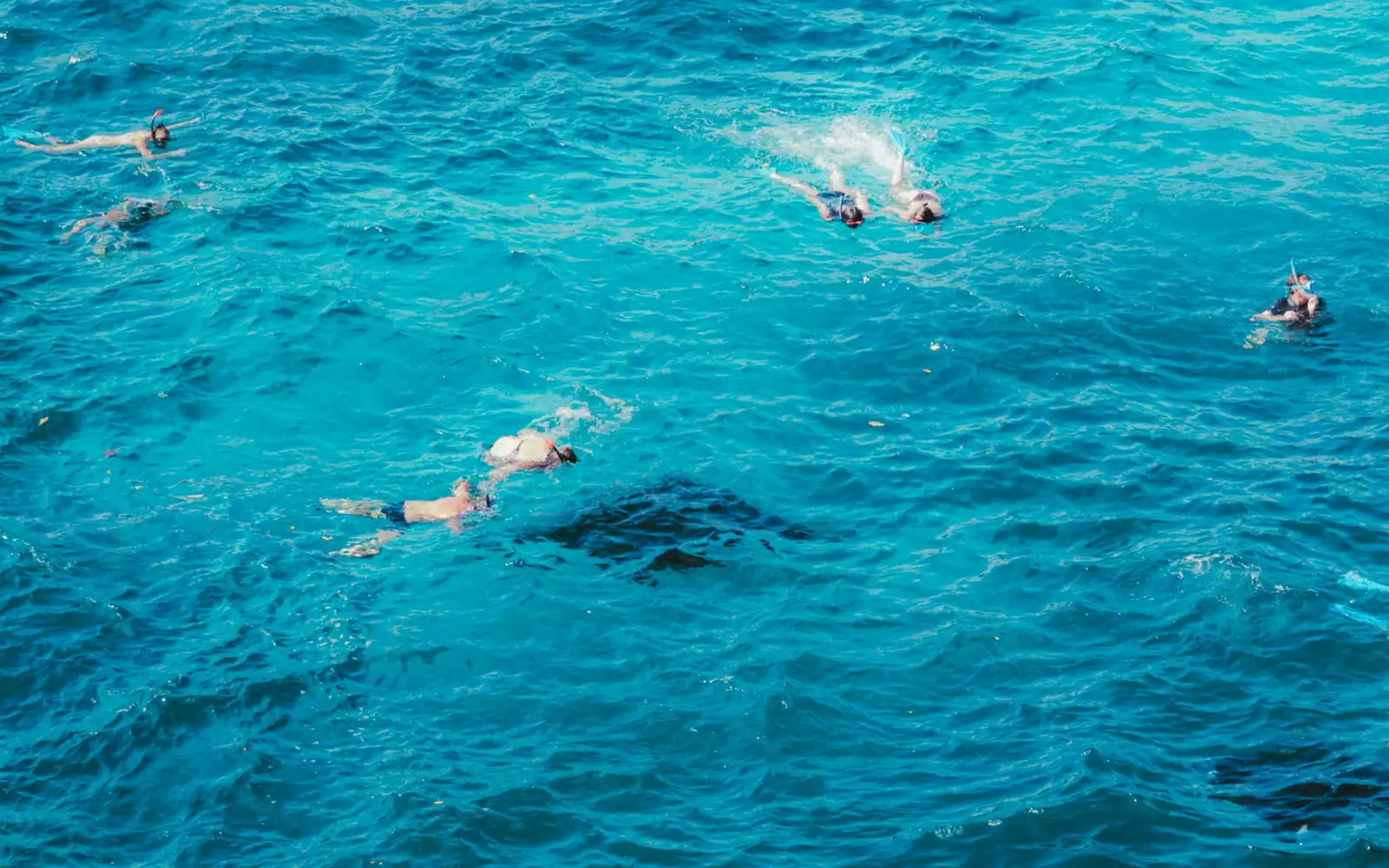
  • Time in the water: Once the sharks appear (if they do), you’ll snorkel from the boat and drift near the platform. Encounters can be fleeting or prolonged. Some mornings, sharks cruise through repeatedly; other days, you may see one briefly or not at all.
  • Return to shore: After 2–4 hours on the water, you’ll head back to shore for late breakfast or early lunch, then continue your overland journey or return to your accommodation.

The overall vibe is more “local fishing morning with a wild-card guest appearance” than polished marine park attraction. For many travellers, that’s the appeal.

Snorkeling conditions and visibility

Saleh Bay is generally protected from strong swell, so surface chop is usually moderate and suitable for confident beginners. Visibility, however, is variable and depends on rain, wind and tidal cycles.

  • Best visibility: Typically during the drier southeast season, when runoff is reduced and plankton levels are moderate.
  • Murkier conditions: After heavy rain or when wind stirs up sediment, expect green-brown water and reduced visibility. You may still see the outline of whale sharks up close, but not cinematic blue-water scenes.

This is snorkeling, not scuba: you’ll be floating at the surface with mask, snorkel and fins, watching the sharks cruise below or next to you, often in 5–15 m of water.

What it feels like to swim with whale sharks in Sumbawa

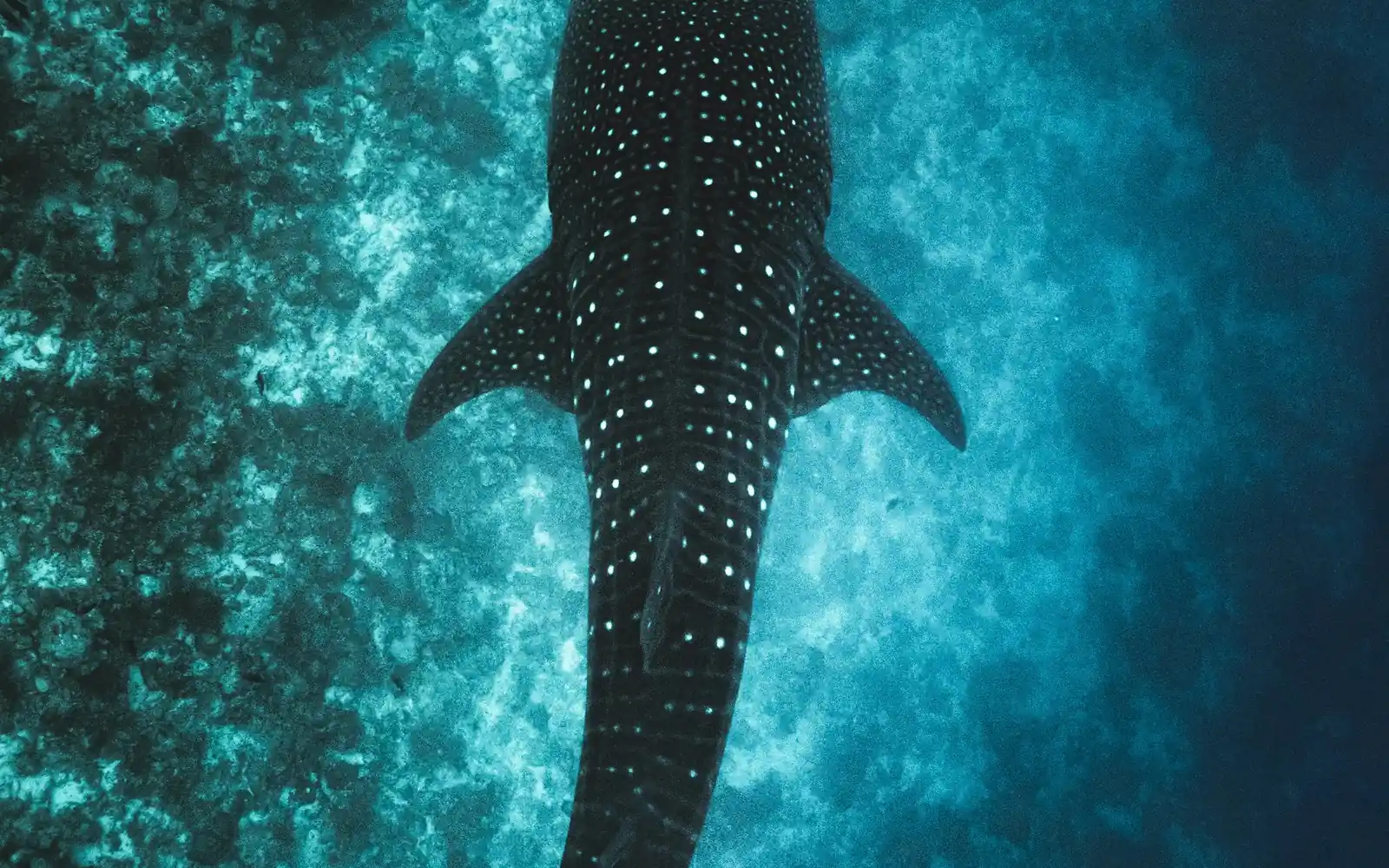
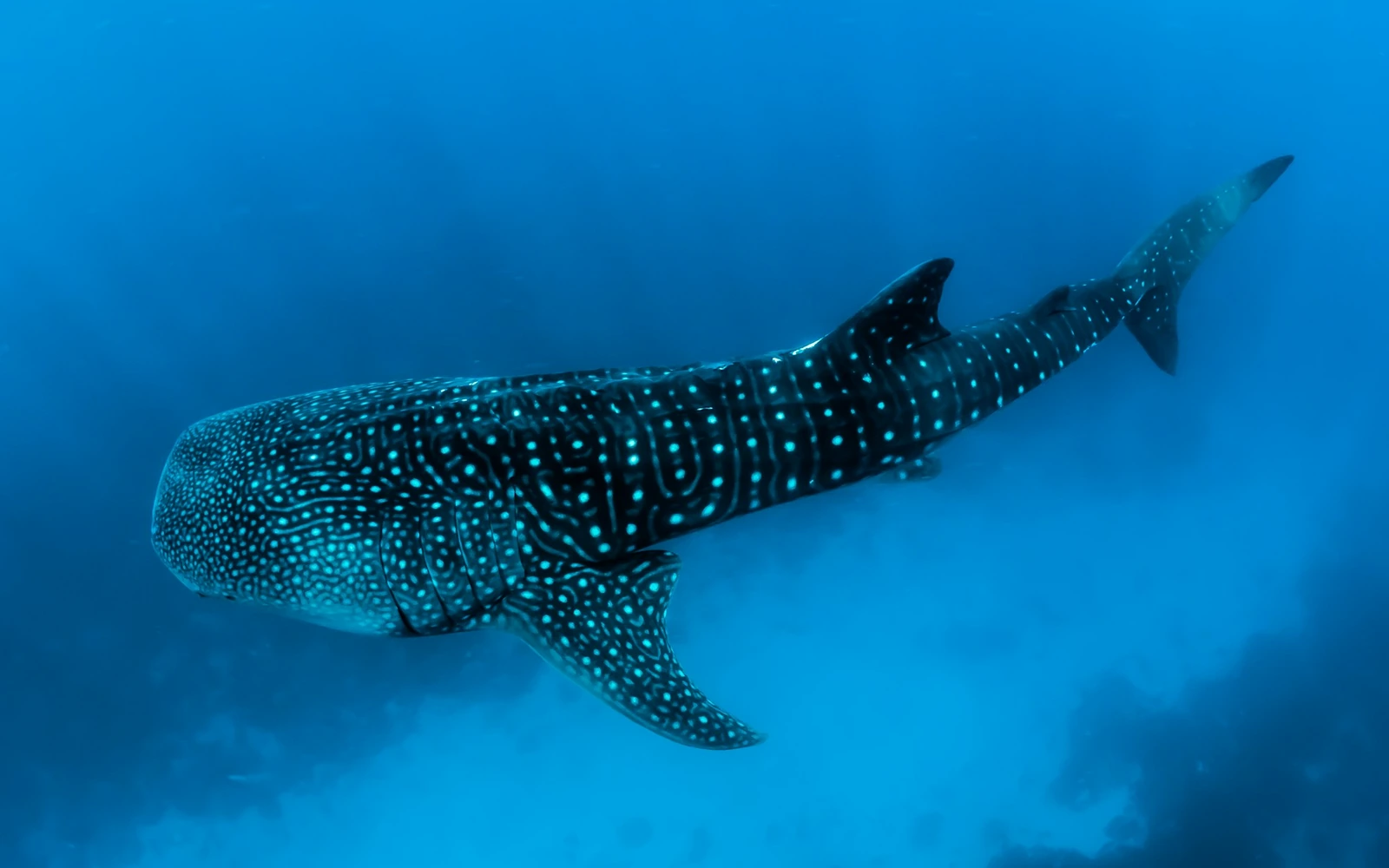
At first you might only see shadow. A smudge under the platform. A darker patch against the green water. Then the shape resolves: broad, flattened head, white polka dots sliding into view, a huge caudal fin sculling lazily behind. In Saleh Bay, whale sharks are used to boats and platforms, but they still move with their own rhythm.

Some individuals rise vertically, mouth wide open to hoover up dispersed fish near the nets. Others circle underneath, just within your visibility, their outlines passing in and out of light filtered through the slats of the bagan. You kick slowly, trying not to splash, gauging your distance—close enough to feel their bulk, far enough to give them room.

The quiet is part of the experience. No resort soundtracks, only outboard engines idling, distant calls between fishermen, and the whoosh of your own breath in the snorkel. Saleh Bay is not empty, but it still feels like a working seascape first, wildlife destination second.

Responsible and ethical guidelines

Whale sharks are gentle giants, but they are still wild, protected animals with their own needs. Any Saleh Bay tour worth its salt should emphasise ethics as much as sightings. The science around provisioning (i.e. feeding) whale sharks is evolving; what is clear is that crowding, touching and boat strikes cause harm.

Core in-water guidelines

  • Keep your distance: Aim for at least 3–4 m from the head and 6 m from the tail. These are large animals; a casual flick of the tail can injure a snorkeller or put stress on the shark.
  • No touching, riding or blocking: Never touch a whale shark, attempt to ride it or block its path for a selfie. Skin abrasions, stress behaviours and collision risk are all documented impacts of this behaviour elsewhere in Indonesia.
  • Limit flash and strobes: If you’re shooting photos, turn off flash. Powerful strobes and constant close-range photography can disturb the animals.
  • Be mindful of fins and hands: Maintain control of your fins, avoid kicking towards the shark, and keep arms close rather than reaching out.

Boat and group practices that matter

Ask potential operators direct questions before you book—this is where your choices can influence better standards:

  • Group size: Smaller groups mean less pressure on the animals and a calmer experience for you. Ask how many swimmers per boat and how many boats they expect at the platforms.
  • Rotation in the water: Responsible crews will rotate guests so that not everyone is crowding one shark at once, especially if visibility is low.
  • Boat positioning: Engines should be in neutral when sharks are close. Boats should avoid continually repositioning right on top of animals.
  • Provisioning practices: Some degree of food in the water (fish scraps, bait) is what brings sharks reliably to the platforms. You can ask how they minimise dependence—for instance, by avoiding deliberate hand-feeding away from normal fishing activity or by not keeping sharks circling for prolonged periods.

We do not pretend this is a zero-impact interaction; whale sharks associating boats with food is an intervention in wild behaviour. Our stance is to favour operators who keep it as low-key and time-limited as possible, and who are open about how they work with local fishers.

What Sumbawa Luxury actually does

We do not operate the boats or own the bagan platforms. Instead, we:

  • Vet local partners for safety basics, respectful in-water codes and realistic expectations.
  • Cross-check seasonality, recent sighting patterns and sea conditions before we suggest a trip.
  • Help set your expectations honestly: no guaranteed sightings, simple boats, early mornings.

We also stay clear of invented “conservation” labels that don’t match on-the-water practice. Some trips may contribute a portion of profits to local communities or monitoring, but we won’t label anything as a conservation project unless there is transparent, verifiable substance.

Best time to see whale sharks in Saleh Bay

Whale shark presence in Saleh Bay is seasonal and tied loosely to local baitfish cycles and fishing activity. There is no formal marine park calendar, and sightings can fluctuate year to year. No operator can legitimately guarantee that sharks will be present on a specific day.

Seasonality at a glance

Patterns can shift, but broadly:

  • Core whale shark season: Often aligned with periods of more intense fishing activity in the bay, when bait fish are abundant and bagan operations are active at night. This frequently falls during the drier middle of the year, but local conditions rule.
  • Shoulder periods: Before and after the peak fishing months, sightings can still occur but may be less frequent or involve fewer animals.
  • Low-probability periods: When bagan activity is reduced, or baitfish move elsewhere, sharks may pass through less often or not linger around platforms.

For a climate overview and how it meshes with surf and trekking, see our island-wide guide to the best time to visit Sumbawa. Keep in mind that “best” for whale sharks is not always “best” for waves or for other activities like hiking.

Time of day and trip pacing

Within any given season, time of day matters:

  • Early morning: First light through early morning is generally considered the most reliable window, when nets are raised and fish are densest. Most Saleh Bay whale shark trips aim squarely at this period.
  • Midday trips: Less common and generally lower probability; if you’re offered midday-only options, ask why and what their recent sighting record has been.
  • Multiple mornings: If whale sharks are a high priority for you, consider planning two mornings in the area to buffer against a no-show on day one.

Combining Saleh Bay with Moyo & eco-luxury stays

Sumbawa makes most sense as a multi-stop journey. Saleh Bay is one highlight among many: offshore islands, long reef points, quiet coves and a handful of discreet eco-luxury resorts spread across the island.

Pairing with Moyo Island

Moyo lies near the northern mouth of Saleh Bay, ringed by clear shallows, coral gardens and waterfalls inland. Many travellers pair a swim with whale sharks Sumbawa experience with several days on Moyo, making the most of their time in the north.

Logical patterns include:

  • Whale sharks first, then Moyo: Fly into Sumbawa Besar, overnight near town, early-morning Saleh Bay whale shark trip, then boat over to Moyo for 3–5 nights.
  • Moyo first, then whale sharks: Start with slow island time—reef snorkelling, waterfalls, coastal hikes—then return to Sumbawa for an early-morning trip before flying onward.

Accommodation on Moyo ranges from pared-back island lodges to high-end resort experiences. Our Moyo Island resort guide compares what’s currently available and how transfers align with Saleh Bay timing.

Combining with surf and hidden beaches

If you’re chasing both wildlife and waves, Sumbawa’s geography invites a broader loop. After the north coast, you can swing south or west into some of Indonesia’s most consistent reef setups.

  • West Sumbawa: Points and reef breaks that attract a mix of serious surfers and laid-back long-stayers. Expect a more surf-focused, informal scene rather than polished luxury.
  • South Sumbawa: Fewer crowds, wilder coastlines, and a growing trickle of eco-forward stays.

Roads from Saleh Bay towards these coasts pass long, underused shorelines—think of them as your own catalogue of hidden beaches. Simple warungs, occasional homestays and the odd villa punctuate the drive, but much of it still feels off-grid by regional standards.

Sample trip flow

Every itinerary is customised, but a common pattern among eco-luxury travellers might look like:

  • Day 1–2: Arrive in Sumbawa Besar, overnight in town or simple bay-side lodge.
  • Day 3: Early-morning whale shark Sumbawa experience in Saleh Bay; transfer after lunch.
  • Day 4–7: Moyo Island or a north-coast retreat focused on snorkelling and quiet.
  • Day 8–12: West or south Sumbawa surf coast, staying in a curated eco-luxury or surf-lodge-style property.

If you’d like help stitching those pieces together with the fewest transfers and the best tides, you can plan your trip directly with us via email or WhatsApp; we’ll map Saleh Bay into a wider Sumbawa journey that fits your pace.

Practicalities: gear, fitness and expectations

The Saleh Bay whale shark experience is accessible, but not plug-and-play in the way a big resort excursion might be. A bit of forethought helps.

Who this is for (and not for)

  • Good fit: Confident swimmers comfortable in open water, OK with pre-dawn starts, and happy on simple boats. Travellers who value fewer people and more authenticity over glossy infrastructure.
  • Less ideal: Anyone who needs guaranteed marine encounters, polished resort boats, or late starts. Those with limited mobility may find boarding local boats and using simple ladders into the water challenging.

What to bring

  • Mask, snorkel, fins: Some operators provide basic gear; quality varies. Serious snorkellers often prefer their own kit.
  • Rash guard or wetsuit: For warmth and sun protection. Jellyfish are not typically a major issue but can occasionally be present.
  • Reef-safe sunscreen: Apply well in advance to minimise slick in the water; long-sleeve tops reduce reliance on sunscreen.
  • Dry bag: For phones, cameras and clothing on the boat.
  • Motion-sickness tablets: The bay is calm but not a swimming pool. If you are prone to seasickness, prepare accordingly.

Safety basics

  • Lifejackets: Ensure the boat carries lifejackets for everyone on board.
  • Radio or phone contact: Ask what communication the crew has with shore or other boats.
  • First-aid kit: Basic but present is the minimum standard we look for in a partner.

We only connect you with operators who meet baseline safety expectations for small-boat coastal trips in Indonesia, but conditions still require personal judgement. If you feel uncomfortable entering the water, staying on the boat is always an option.

How Saleh Bay compares to other whale shark spots

If you’ve swum with whale sharks elsewhere in Indonesia or globally, it helps to know how Saleh Bay stacks up. The table below outlines the character of Saleh Bay relative to more developed destinations, focusing on atmosphere and logistics rather than specific names.

Aspect Saleh Bay (Sumbawa) More developed whale shark hubs (generalised)
Crowd levels Fewer boats, smaller groups; still growing High visitor numbers, many boats in peak season
Infrastructure Simple village jetties, basic boats Dedicated marinas, larger day-trip vessels
Setting Calm bay, working fishing platforms Mix of open bays and coastal sites, sometimes near resort strips
Certainty of sightings Seasonal, never guaranteed Often more predictable due to intensive provisioning
Style of interaction Low-key snorkelling, closer to local fishing routines More choreographed, sometimes queue-like experiences
Travel time from major hubs Multiple legs (flight + car), at least one overnight Often direct flights and short transfers from major tourist centres

The trade-off is clear: Saleh Bay offers a quieter, more rural context with less certainty and less polish. For some, that’s the whole point.

Costs and how to plan a Saleh Bay whale shark trip

There is no single fixed price for a Saleh Bay whale shark excursion. Costs vary with season, group size, level of private service, and how you integrate the trip into a larger Sumbawa itinerary.

Typical cost components

  • Boat and guiding: Private or semi-private boat, local guide, fuel, and basic snacks or breakfast.
  • Transfers: Overland car transfers between your accommodation (for example, in Sumbawa Besar or near the bay) and the departure jetty.
  • Accommodation: Nights in Sumbawa Besar, simple bayside lodgings, or island resorts if combining with Moyo or other coasts.

As a broad, non-binding indication (last verified June 2026), small-group or privately arranged Saleh Bay whale shark trips including boat, guide and basic transfers often fall roughly within a moderate to upper-midrange day-trip band once you factor in logistics. Precisely how much you spend depends heavily on how many people share the boat, the standard of your overnights, and how far off the conventional route your plan is.

We work strictly on a by-quote basis. After understanding your dates, group size, comfort level and interest in adding on islands or surf, we request live quotes from vetted partners and present you with options. No one can pay to change what we publish; if you proceed with our partner they may pay us a referral fee at no extra cost to you.

If you’re ready to sketch dates and preferences, you can plan your trip with us via email or WhatsApp and we’ll return with tailored options and price ranges for your specific window.

Lead times and availability

  • Peak season: During months when sightings are most frequent, trips can book out—especially for smaller, quality-focused operators. Booking several weeks to a few months ahead is wise.
  • Shoulder periods: Shorter notice may be possible, but we’ll still need time to verify current conditions and availability.
  • Weather-related changes: High winds, heavy rain or sudden changes in fishing activity can cause last-minute timing or departure-point adjustments. Build in at least one buffer day if Saleh Bay is a priority.

Why plan Saleh Bay with a concierge rather than DIY

In theory, you could land in Sumbawa Besar, ask around for a Saleh Bay tour, and see what turns up. Some travellers do. But if you value your time and prefer to avoid on-the-spot compromises, there are advantages to having the groundwork done ahead of you.

What we help you navigate

  • Operator quality spread: Not all boats run to the same safety standards or ethical guidelines. We filter for basics like safety gear, group size, and realistic briefings.
  • Realistic timing: Google Maps will not tell you which roads are potholed this season or how long a pre-dawn transfer really feels. We sequence your itinerary so that early starts are feasible, not punishing.
  • Weather and season checks: Seasonality is real here. We cross-check your dates against likely patterns and recent reports, and we may recommend shifting your Saleh Bay window a few days earlier or later within your overall trip.
  • Integrating the rest of Sumbawa: From empty coves to reef breaks and hilltop eco-stays, we connect Saleh Bay logically to your wider route so that you’re not doubling back unnecessarily.

Our role ends at the handover to the operating partner: they handle the actual booking and on-the-ground service. We remain available for adjustments and second opinions as your travel window approaches.

Start planning your Saleh Bay whale shark experience

If the idea of a calm bay at first light, with the chance of a speckled giant rising from the green, feels like your kind of Sumbawa, we can help you design a trip that gives that moment room to happen—without overpromising it.

Share your dates, rough budget and priorities, and we’ll build a clear comparison of options: how Saleh Bay fits with Moyo, which eco-luxury resorts align with your style, and how many days you’ll want in each place. You can plan your trip with us via email or WhatsApp; we’ll reply with a human-led, detail-rich plan rather than a template.

Is the saleh bay whale shark experience suitable for children?

Older children who are confident swimmers and comfortable with early mornings can enjoy the trip, especially with private-boat arrangements and close parental supervision. Younger kids or non-swimmers may struggle with the combination of pre-dawn starts, boat time and potentially murky water. Discuss ages and swimming ability with us in advance so we can match you with the right operator or suggest alternatives.

Can non-swimmers join a Saleh Bay whale shark tour?

Non-swimmers can join on the boat and watch from the surface, but they will not safely experience the encounter in the same way as snorkellers. Some operators provide lifejackets or floatation aids for those who want to enter the water but are less confident; however, calm but real open water is involved. If non-swimmers are in your group, we can plan a more spacious, slower-paced boat arrangement.

How likely am I to see whale sharks in Saleh Bay?

Sightings are seasonal and never guaranteed. In core months, many trips do see one or more sharks; in shoulder or off-peak periods, there may be few or none around the platforms. We treat sightings as a strong possibility in the right season, not a promise. Your best hedge is to travel in a period with traditionally higher activity and, if you can, allow two mornings for attempts.

Do I need to be an experienced snorkeller?

You don’t need to be advanced, but you should be comfortable floating and breathing through a snorkel in open water, with other people around you. There is usually only light chop, but currents, boat traffic and excitement can be distracting. If you’re new to snorkelling, practising in a pool or shallow beach before your trip helps tremendously.

Can I combine Saleh Bay with other Sumbawa experiences in one week?

Yes. With 7–10 days you can realistically include Saleh Bay whale sharks, a few nights on Moyo or another north-coast base, and time on one of Sumbawa’s surf-facing coasts or quiet beaches. The exact mix depends on flight timings and how fast you like to move. Share your window and priorities via WhatsApp or email and we’ll outline a few viable one-week patterns for you.

Plan Your Trip
WhatsAppPlan Your Trip