How to read this: Sumbawa Luxury is an independent concierge guide — we curate and compare eco-luxury stays, surf trips and island experiences, then arrange your booking through a vetted operating partner. We do not own or operate the resorts, and resort or brand names (including any historical Aman/Amanwana reference) are used only as neutral examples, not claims of affiliation. Prices are by quote and vary by property, season and party; figures here are indicative. Flights, ferries and surf seasons change — confirm before you travel. This is general information, not a binding offer.
Moyo Island Resort in the way most travellers imagine it is less a single branded hotel and more an idea: remote, boat-access eco-luxury on jungle-fringed Moyo Island off Sumbawa Besar, with days split between waterfalls, reefs and long, empty shorelines. On this page we decode that idea — what “moyo island resort” really means now, how to reach Moyo Island Sumbawa, what to do, and how to plan a stay that balances wildness with comfort.
Sumbawa Luxury is an independent eco-luxury and surf concierge guide. We don’t own or operate resorts on Moyo; we research, compare and then connect you to a vetted local operating partner if you choose to book. No one can pay to change what we publish; if you proceed with our partner they may pay us a referral fee at no extra cost to you.
Where Moyo Island Is & How To Reach It
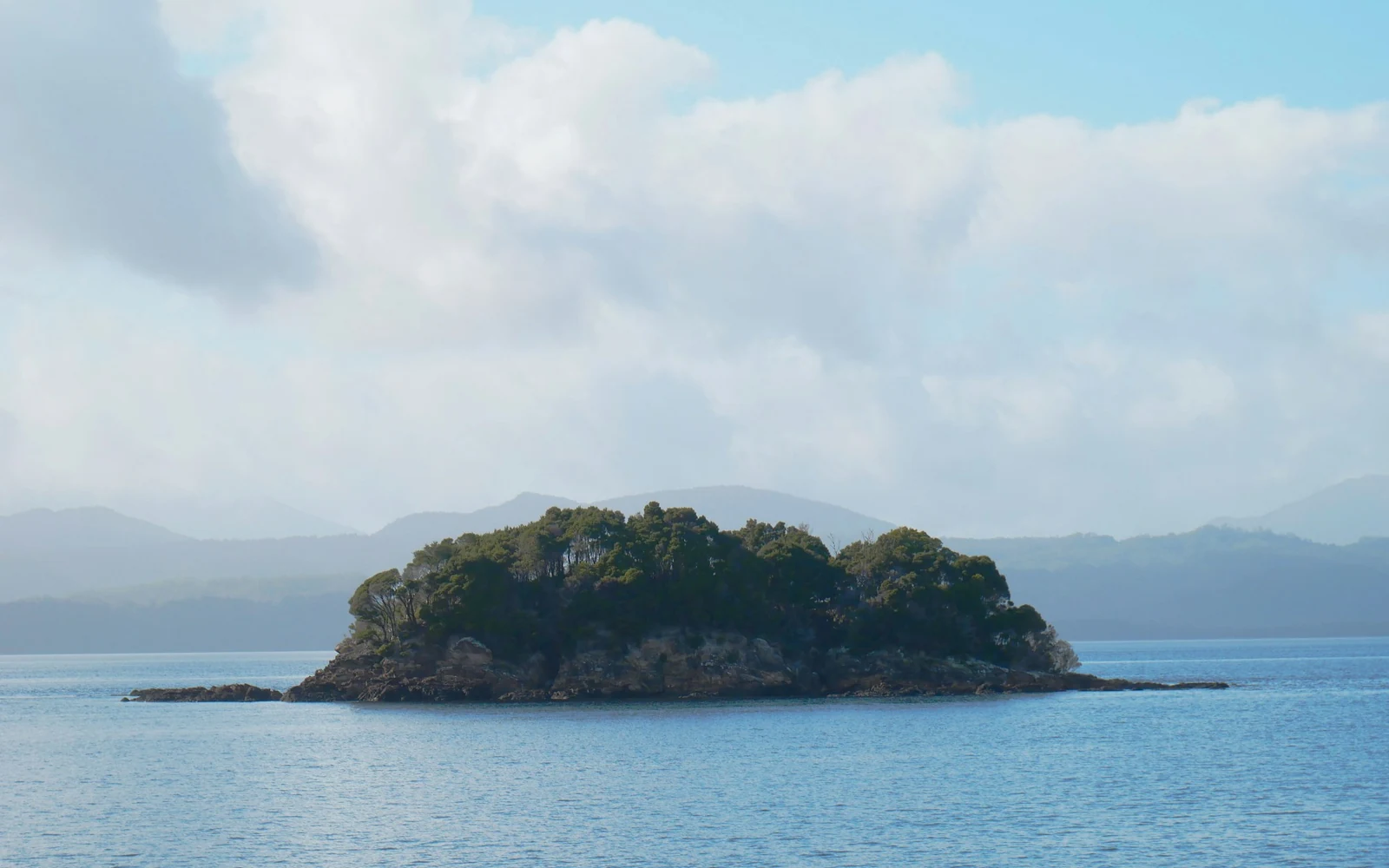
Moyo Island sits off the north coast of Sumbawa Besar in West Nusa Tenggara, Indonesia. Think of it as a green plateau rising out of a calm sea: low limestone cliffs, primary forest, and a ring of reef and sandbanks separating it from the Sumbawa mainland.
You don’t fly directly to Moyo. You stage through Sumbawa Besar, then cross by sea.
Step 1: Getting to Sumbawa (Gateway for Moyo)
The logical starting point is Sumbawa Besar, the main town facing Moyo Island.
Typical routing:
- By air (fastest)
- Domestic flights connect via Lombok or sometimes Bali into Sumbawa Besar Airport (SWQ).
- Flight schedules are variable and can change with little notice; assume at least one connection from major Indonesian hubs.
-
Expect potential delays, especially in shoulder and wet seasons.
-
By sea from Lombok/Bali (scenic, slower)
- Public ferries and local fast boats link Bali → Lombok → Sumbawa (usually via Poto Tano), then overland by car to Sumbawa Besar.
- Total travel time stacks up quickly; this is for travellers who already plan to explore Sumbawa overland.
For deeper logistics and routing options, see our dedicated guide: How to get to Sumbawa.
Step 2: Boat Transfer to Moyo Island
There is no road or bridge to Moyo. Every Moyo island stay begins with a boat.
- Departure point
- Typically from the Sumbawa Besar coastal area or small private jetties nearby.
-
Transfer time depends on boat type, sea conditions and exact landing point on Moyo.
-
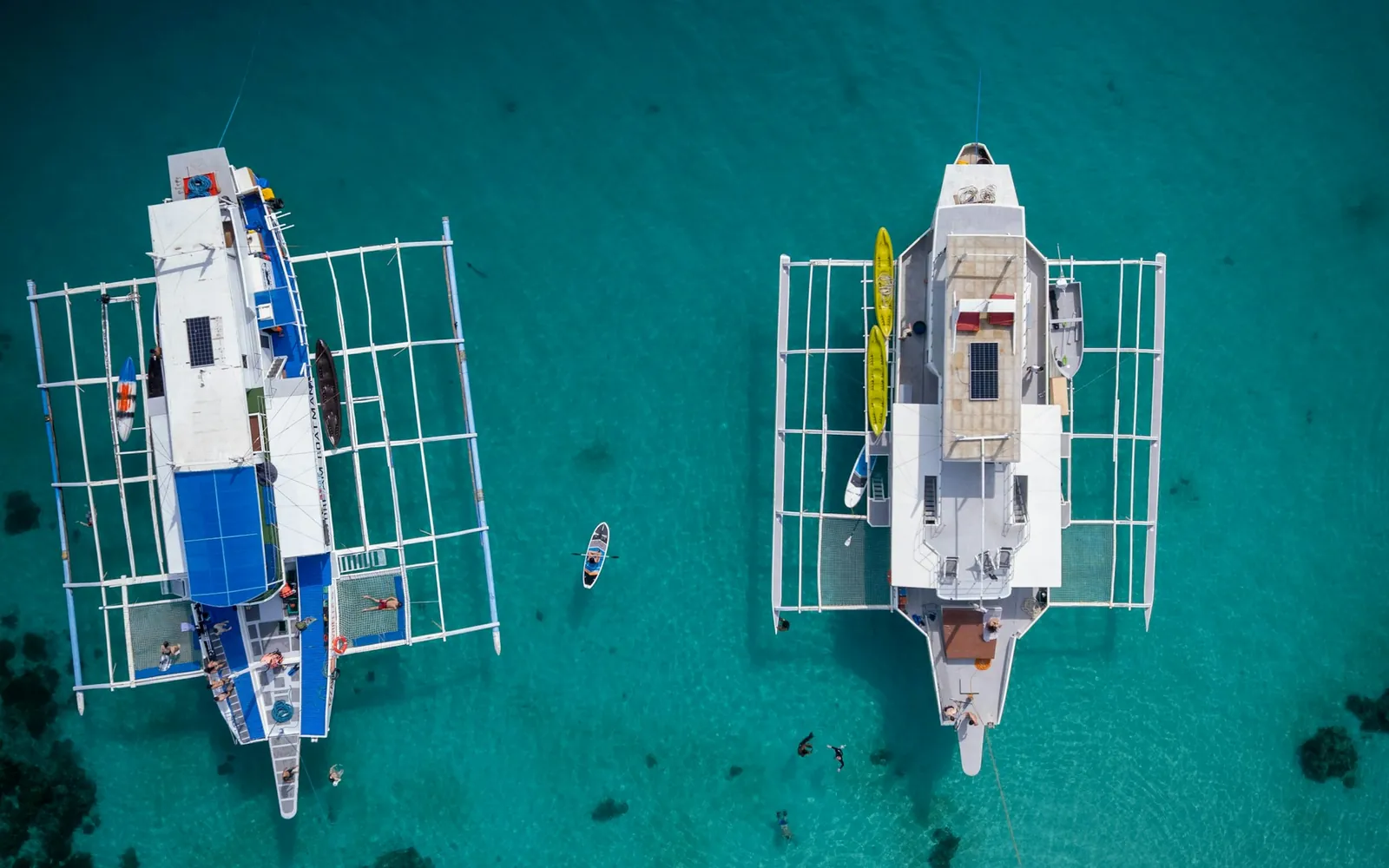
Boat types
- Simple open-deck local boats (most weather-exposed, slower).
- Enclosed speedboats (faster, more comfortable, higher cost).
-
Charter boats from Lombok/Bali are sometimes arranged for full-itinerary trips, but these are long crossings and very weather-dependent.
-
Crossing time (typical ranges)
- Around 1–2 hours by speedboat in calm seas.
-
Longer in smaller wooden boats or during rougher conditions.
-
Seasonal reality check
- Dry season (roughly April–October): Seas are usually calmer, but strong trade winds can still kick up.
- Wet season (roughly November–March): More frequent storms and choppy seas; occasional transfer disruptions or delays.
No operator can guarantee smooth crossings; if your schedule is tight, build a “buffer” night on the Sumbawa mainland before onward flights.
What To Do on Moyo Island: Waterfalls, Reefs & Jungle Quiet
Moyo Island Sumbawa is small on the map, but your days can fill quickly if you like to be in or near nature. The experiences here are simple, sensory and routine-free rather than checklist-heavy.
Mata Jitu Waterfall & Other Freshwater Springs
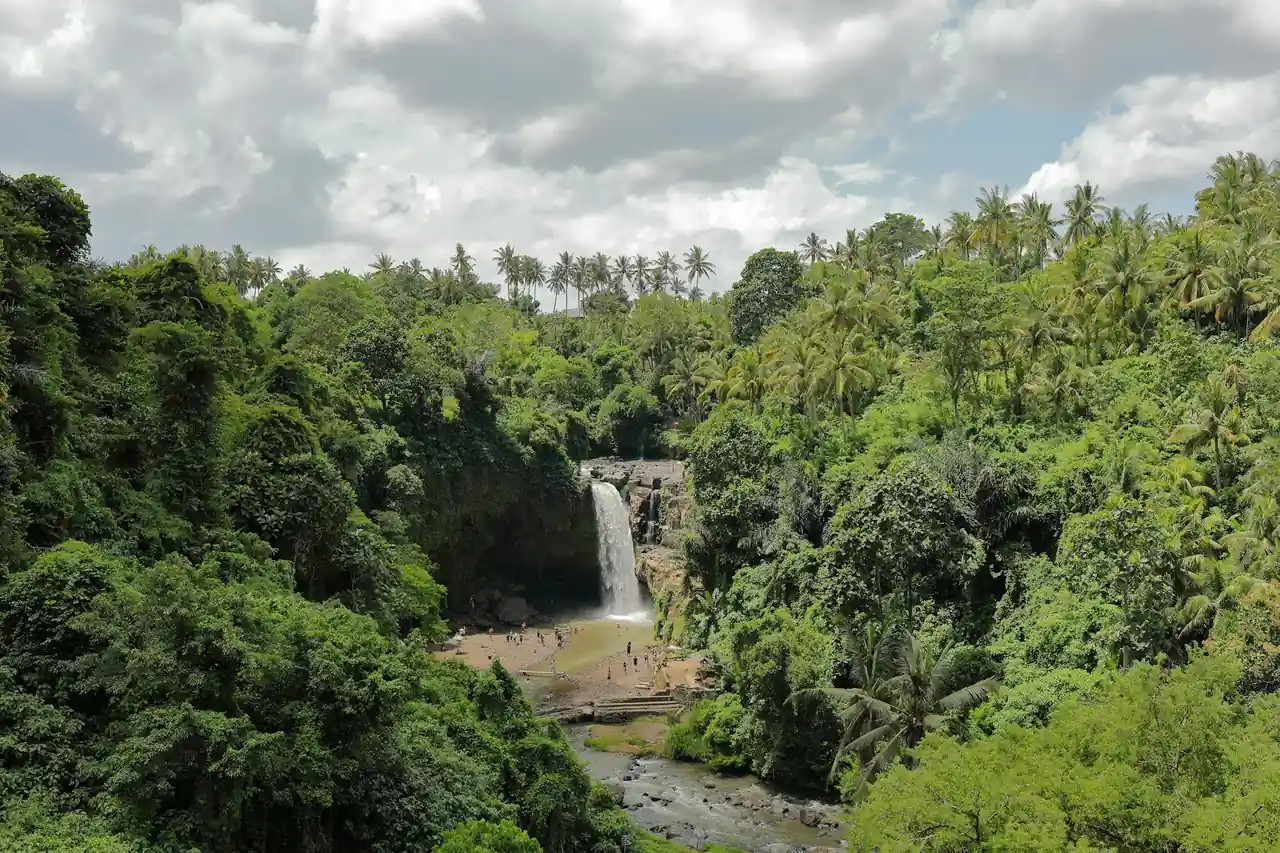
The most famous moyo island waterfall is Mata Jitu: a terraced series of turquoise pools shaded by tall forest and fed by clear springs. It has been quietly known in Indonesia for years and occasionally visited by royalty and celebrity, but on most days it still feels unhurried.
What to expect at Mata Jitu waterfall:
- A short drive or motorbike ride inland from the coast, followed by a forest walk.
- Limestone ledges and bowls that have been calcified over time, creating natural basins.
- Clear, cool water that offers welcome relief after ocean days.
Trade-offs:
- You are not alone in having heard of Mata Jitu. In peak domestic holiday periods it can feel busy by Moyo standards, especially at midday.
- Access infrastructure is basic. Steps and paths can be slippery after rain; this is not an engineered theme-park waterfall.
- There may be modest local fees or contributions; your guide will advise what’s appropriate.
Beyond Mata Jitu there are smaller springs and pools — some used more by locals than visitors. If solitude matters more to you than the “famous” spot, tell us; we’ll brief our partner to balance the day accordingly.
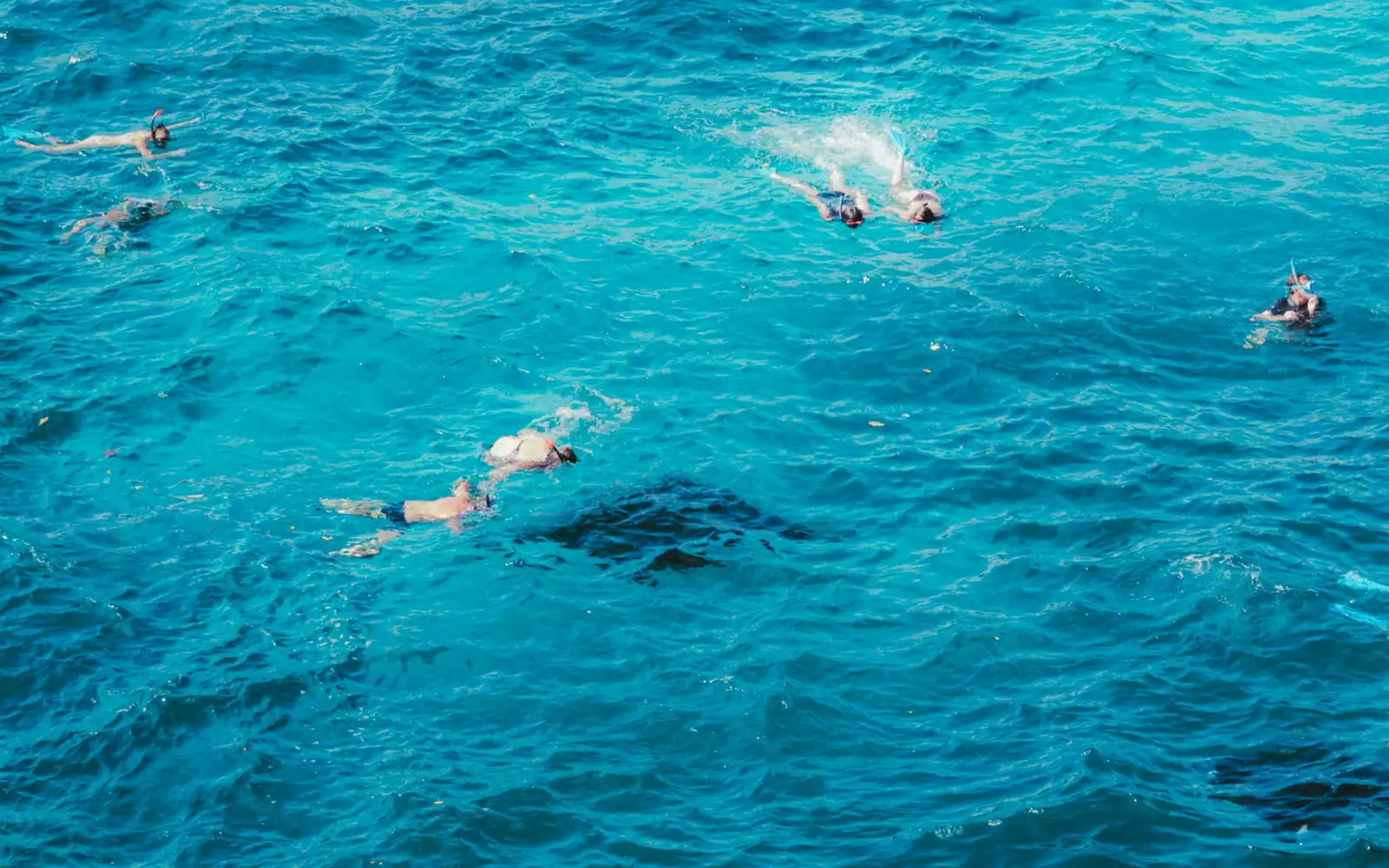
Snorkelling & Reef Time
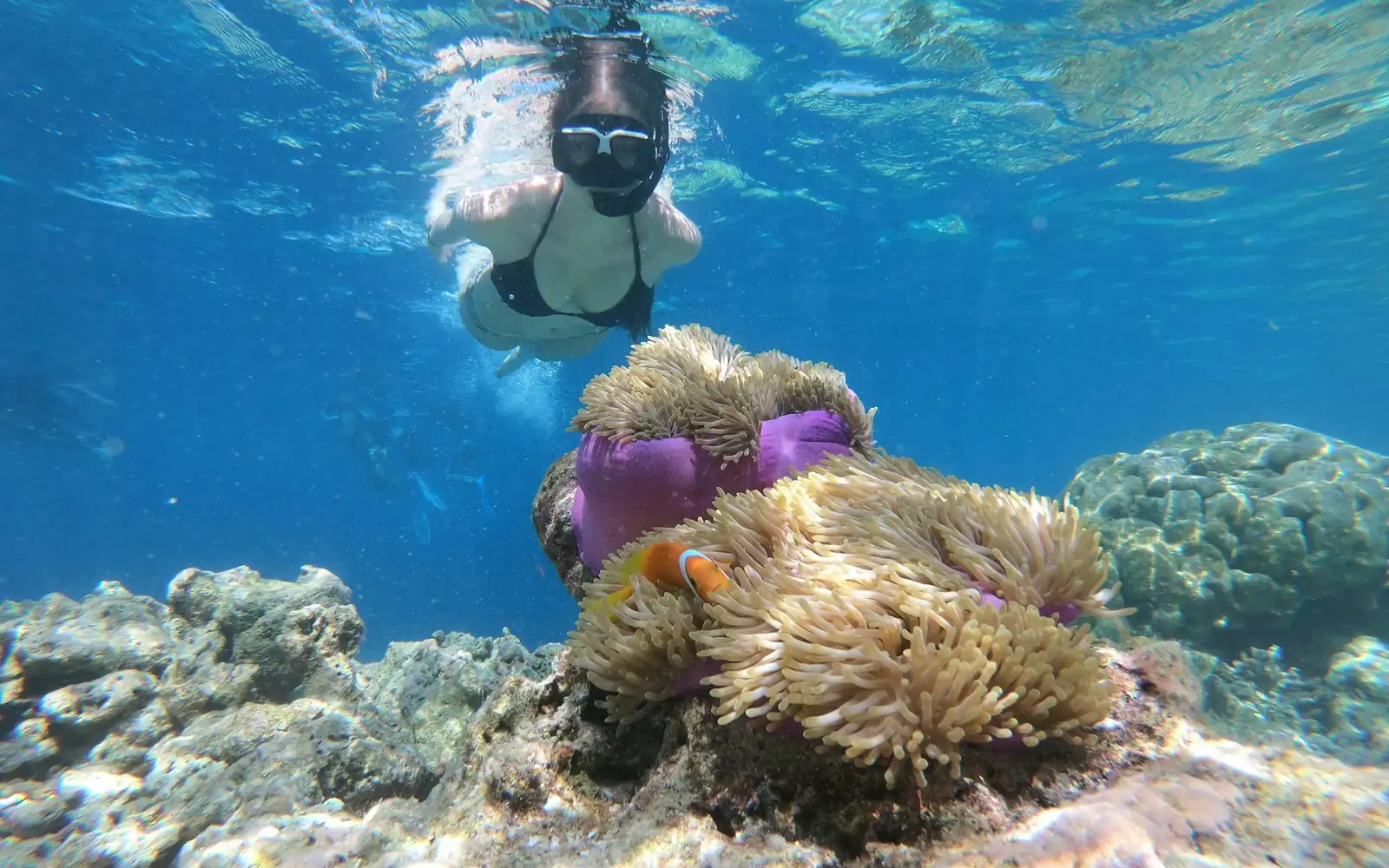
The coastline around Moyo is a patchwork of coral gardens, sandy shelves and drop-offs. There is no single house reef that defines the island; instead, you boat-hop or swim off local beaches.
Typical snorkelling experiences:
- Shallow coral patches with hard corals, small reef fish, and occasional turtles.
- Drop-offs where the seafloor falls away quickly — good for feeling the drama of blue water without technical diving.
- Mangrove and seagrass margins where juveniles shelter and the light is softer.
Reality check:
- Coral health in Indonesia is mixed. Some areas around Moyo show good resilience; others reflect storm damage or historical fishing pressure.
- Visibility varies with season, wind and tides; there are clear days and milky days, and you don’t get daily guarantees.
- You may see fish and turtle life; you should not expect every snorkel to feel like a documentary.
Our stance: Moyo offers honest, accessible reef experiences that pair well with its waterfalls and forest — not a substitute for Indonesia’s top-tier dedicated dive destinations.
Light-Hiking & Jungle Walks
Moyo’s interior is low but surprisingly wild: dry forest, bird calls, skittish deer and long-vine tangles.
On land you might:
- Walk shaded tracks from shoreline to waterfall.
- Visit local villages, where life is paced by fishing, small-scale farming and school routines.
- Take dawn or dusk walks to increase the chance of seeing wildlife.
Practical notes:
- Trails range from flat to modestly steep; humidity amplifies any incline.
- Footwear matters; bring shoes that can get wet and muddy and still grip rock.
- Leeches and insects are possible, especially after rain; repellents and light long sleeves help.
This is not manicured jungle. It feels close, fragrant and occasionally uncomfortable — which is precisely the appeal for travellers seeking nature that hasn’t been domesticated.
Ocean Time: Kayaks, Beach Walks & Doing Very Little
The simplest Moyo pleasure is unstructured time by the sea.
Expect:
- Long, quiet beaches that may be shared with local fishermen, stray goats or no one.
- Easy paddling in kayaks or local canoes along the shoreline when the sea is calm.
- The sense that you are far from flight paths and road noise; at night, more stars than streetlights.
Trade-offs:
- Sand quality varies by location: some stretches are powder-soft, others coral-rubble.
- Flotsam and marine plastics wash up across Indonesia; Moyo is not magically exempt.
- Nights can be very dark; if you want buzzy bar culture and nightlife, this is the wrong island.
Where to Stay: Remote Eco-Luxury Formats on Moyo
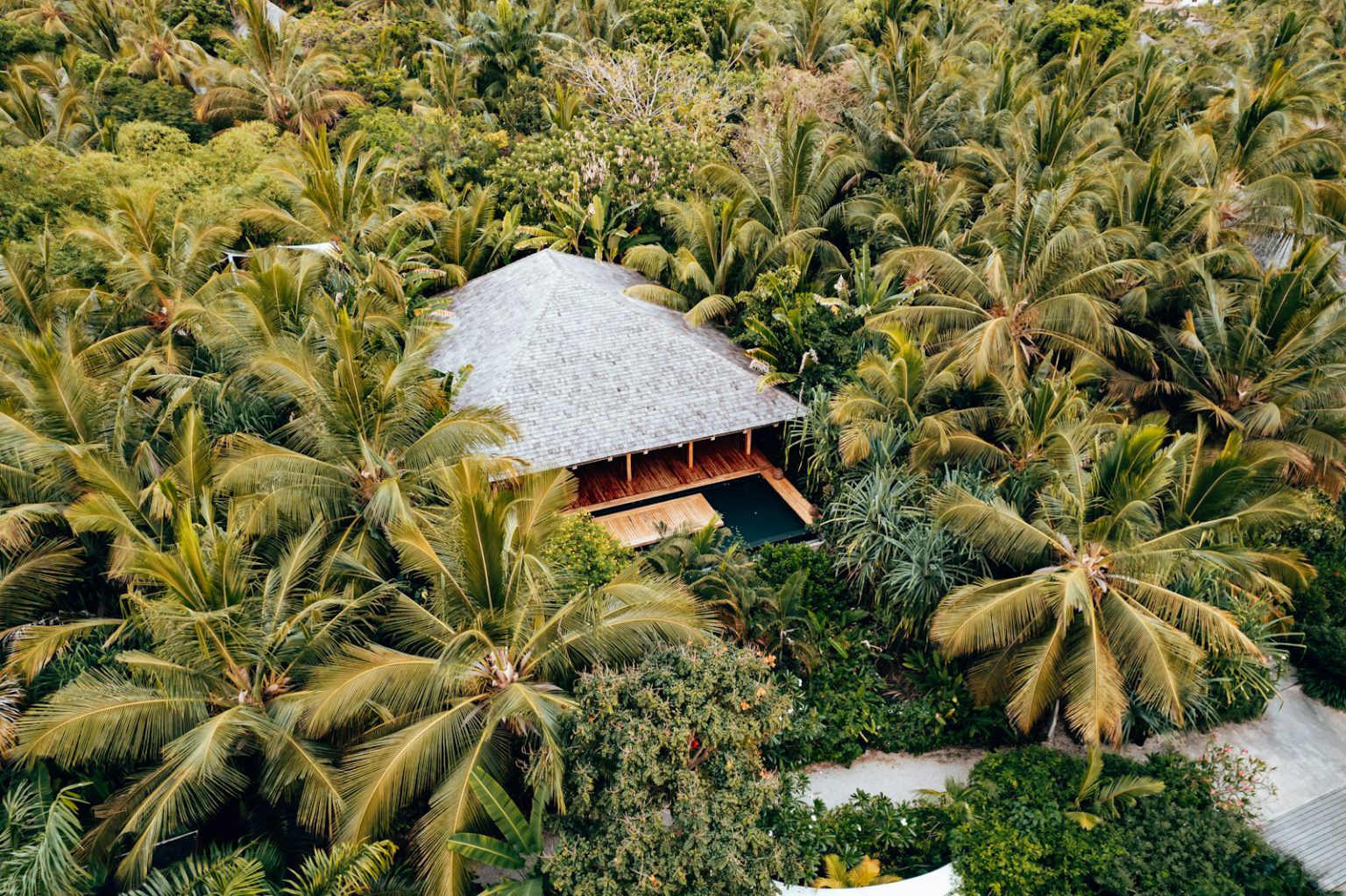
“moyo island resort” in current practice means a remote eco-luxury stay: simple but considered rooms or tents near the beach, local-scale service, and activities built around the island’s nature.
Because operators, formats and standards shift over time, we don’t list or invent specific current property names. Instead, we describe the types of stays you can expect, and then — if you choose — connect you privately with a vetted partner who is currently active and reliable.
Typical Moyo Island Stay Formats
Expect variations along this spectrum:
-
Tented Eco-Luxury (Amanwana-style legacy)
– Large, safari-style tents on platforms.
– Real beds, ensuite bathrooms (often semi-open-air), fans, limited or no air-conditioning.
– Dining in a central open-sided pavilion; focus on Indonesian dishes with some Western comfort food.
– Guided waterfall and snorkel excursions bundled into stay packages. -
Boutique Beach Bungalows
– Solid structures (wood, stone) with thatch or tin roofs.
– Private or semi-private verandas facing the sea.
– More “home feel” and often more forgiving in heavy rain than canvas.
– Electricity hours may be limited to evenings or specific windows. -
Simple Homestay-Style Lodgings (Local, Not Luxury)
– Basic rooms with fan, shared or simple bathrooms.
– Used more by long-stay travellers and researchers than by the eco-luxury market.
– Valuable context, but outside Sumbawa Luxury’s typical focus.
We mostly work in the first two categories — places where you can be close to the wild but still sleep well.
What Eco-Luxury Actually Means Here
On Moyo, eco-luxury is not marble lobbies and 24-hour room service. It’s quieter and more elemental:
- Power & water
- Generator power or hybrid systems are typical. Expect some limits on air-con use, hairdryers or always-on outlets.
-
Showers are usually fresh water but still used sparingly given island resources.
-
Connectivity
- Mobile signal is patchy; data speeds vary from usable to absent.
-
Many guests deliberately unplug; you should plan for digital-light or offline days, not Zoom calls.
-
Service style
- Teams are mostly local, often with deep practical knowledge of the island.
-
English is spoken to varying levels; communication is warmer than it is slick.
-
Cuisine
- Fresh fish, rice, vegetables, fruit. Menus may be set or limited à la carte.
- Dietary needs can often be accommodated if communicated in advance, but not every niche ingredient will be available.
If your definition of luxury is high-thread-count anonymity and big-city choice, Moyo will feel under-serviced. If your definition is space, quiet and honest comfort in wild surroundings, it will feel exactly right.
Benefits & Trade-Offs of Staying on Moyo vs Mainland Sumbawa
- Seclusion
- Moyo: Deep quiet and few neighbours. Mainland: More options, more people.
- Access
- Moyo: Dependent on boat transfers and weather. Mainland: Road and airport access, easier Plan B.
- Comfort
- Moyo: Intentional simplicity; some concessions to remoteness. Mainland: Wider range from basic to high-comfort resorts.
- Activities
- Moyo: Waterfalls, snorkelling, light hikes. Mainland: Add surf, cultural visits, broader touring.
- Connectivity
- Moyo: Patchy at best. Mainland: Generally stronger signal and infrastructure.
Many travellers pair 2–4 nights on Moyo with time at an eco-luxury resort elsewhere in Sumbawa, gaining both island seclusion and wider exploration.
The Amanwana Moyo Legacy (Context, Not Affiliation)
The name Amanwana inevitably surfaces in any conversation about a moyo island resort.
Historically, Amanwana operated on Moyo Island as a high-end tented camp, placing the island on the radar of international luxury travellers. Its ethos — canvas over concrete, attentive but low-key service, waterfall excursions and reef-focused days — shaped expectations of what eco-luxury on Moyo could look like.
Why this matters for you now:
- Expectations: When people say they want “Amanwana Moyo,” they often mean:
- Tented or low-impact accommodation by the sea.
- Guided access to Mata Jitu and other waterfalls.
- Private or small-group snorkelling and boating.
-
A sense of sanctuary rather than spectacle.
-
Influence on current offerings:
- Many current Moyo stays draw inspiration from that format, even if they are smaller, more locally run, or less branded.
- Not every operator aspires to — or reaches — past Amanwana standards; we’re candid about that when we compare options.
Clarity on independence:
- Sumbawa Luxury is not affiliated with Amanwana or Aman.
- We reference Amanwana only as part of the island’s hospitality history and to give concrete context to the “tented eco-luxury” idea.
- Our role is to help you understand what is available now, not to recreate a specific brand experience.
Best Time to Visit Moyo Island
Moyo is tropical, with a marked dry and wet season rhythm. For a more zoomed-out view across the region, see our Best time to visit Sumbawa guide; below are Moyo specifics.
Seasons & Conditions
- Dry Season (roughly April–October)
- Generally less rain, clearer skies.
- Good odds of more stable boat transfers and nicer snorkel conditions.
- Vegetation is a little less lush later in the dry season, but trails are usually easier underfoot.
-
This is the most popular window for Moyo Island stays.
-
Shoulder Months (around March–April & October–early November)
- Transition periods can bring a mix of showers and sunshine.
- Fewer visitors; a good choice if you prioritise quiet over predictability.
-
Paths to waterfalls can become muddier; footwear and tolerance for tropical squalls matter.
-
Wet Season (roughly November–March)
- More frequent and heavier rain, higher humidity.
- Forest and waterfalls can feel their most intense and alive.
- Increased risk of choppier seas and disrupted transfers; itineraries need more flexibility.
- Some operators reduce capacity or pause operations during the wettest stretches.
No month is risk-free; nature runs on its own schedule. We help you balance what you want to do (waterfalls, snorkelling, quiet) with the time window you actually have, then choose the least compromised option.
How Long to Stay & Who Moyo Suits
Ideal Trip Lengths
- 2 nights:
- Enough for: arrival, Mata Jitu waterfall, one snorkel session, one unstructured beach morning.
-
Works if Moyo is an add-on to a broader Sumbawa or Indonesia trip.
-
3–4 nights (most common):
- Gives space for:
- Waterfalls (possibly more than one spot).
- Multiple sea sessions to hedge against a cloudy day.
- At least one fully slow, unscheduled day.
- Good balance of remoteness and variety before cabin fever sets in.
Beyond 4 nights you move into “retreat” territory and should be content with repetition in a very quiet place.
Who Will Appreciate Moyo Island Most
Moyo works best for travellers who:
- Prefer nature and seclusion over nightlife and shopping.
- Value comfort, but don’t need a vast amenity list.
- Are okay with some logistical friction (boats, unpredictable weather windows).
- See offline time as a plus, not a crisis.
It is less ideal if:
- You need daily reliable high-speed internet.
- You dislike boats or are very prone to seasickness without mitigation.
- You want multiple restaurant and bar options within walking distance.
For couples considering a quiet, nature-forward honeymoon, a Moyo Island stay can pair beautifully with more amenity-rich time elsewhere; see our thoughts in the Sumbawa honeymoon guide.
Pairing Moyo with Wider Sumbawa: Surf, Whale Sharks & More
Moyo is a strong anchor for a Sumbawa itinerary, but it’s not the whole story.
Surf on Sumbawa vs Calm on Moyo
Moyo itself is not a primary surf destination; its fringing reefs and geography don’t host the consistent, accessible breaks that have made Sumbawa famous among surfers.
A common approach:
- Surf elsewhere on Sumbawa first:
- Stay at a dedicated surf or eco-luxury resort on the mainland, close to established breaks.
-
Lock in your swell-chasing days in areas built around surf logistics.
-
Then decompress on Moyo:
- Shift to slower mornings, softer ocean time, and freshwater pools at Mata Jitu waterfall.
- Let your arms and ears rest from constant paddle and white noise.
This contrast — high-energy surf followed by Moyo quiet — is one of Sumbawa’s most satisfying combinations.
Saleh Bay Whale Sharks & Moyo
To the east of Moyo lies Saleh Bay, known for seasonal whale shark encounters. These involve early starts and boat-based trips into the bay, often in coordination with local fishing activity.
Key realities:
- Encounters are never guaranteed; these are free-ranging animals.
- Conditions and ethical practice standards vary; picking the right operating partner matters.
- Trip logistics can be long and tiring; seas may be choppy.
Many travellers choose to structure their trip so that:
- They stage near Saleh Bay for a dedicated whale shark attempt with a vetted operator; then
- Move on to Moyo Island for quiet time by the waterfalls and reefs.
For honest, current expectations and route planning that combines these, see: Saleh Bay whale shark guide.
Costs: What a Moyo Island Trip Typically Involves
We don’t publish single fixed prices because they fluctuate with season, fuel, operational status and currency. Instead, we share by-quote ranges and explain what drives them. All ranges below are indicative only, last verified June 2026.
Key Cost Components
-
Accommodation (per room per night)
– Tented eco-luxury or boutique bungalow formats on Moyo typically sit in the upper-mid to high range for Sumbawa.
– Prices vary by:- Season (dry season and holidays higher).
- Inclusions (some stays bundle meals and activities, others are more à la carte).
- Room type (sea-front vs garden, tent vs solid bungalow).
-
Boat Transfers (per boat or per person)
– Private speedboat transfers are usually quoted per boat, with capacity limits.
– Local boat transfers may be quoted per person or by charter.
– Sea conditions, fuel prices and departure points all affect final cost. -
Meals & Activities
– Many stays on Moyo lean towards full-board or half-board models due to the lack of alternative restaurants.
– Waterfall excursions and snorkelling trips may be included or charged per outing.
– Tips and local access fees (e.g. for waterfalls) add a smaller additional layer. -
Mainland Staging Nights
– It’s sensible to budget at least one night near Sumbawa Besar before or after your Moyo stay, especially outside the most settled weather windows.
To get a tailored sense of where your specific dates and preferences will land within those ranges, you can plan your trip with us via email or WhatsApp; we’ll return a breakdown with options and trade-offs clearly marked.
Planning Your Moyo Island Resort-Style Stay
Moyo rewards travellers who appreciate clarity upfront. Here’s how we typically structure planning for our readers.
1. Anchor Your Dates & Season
- Decide the non-movable dates in your wider itinerary.
- We’ll then outline what those dates likely mean for:
- Boat transfer reliability.
- Waterfall trail conditions.
- Crowding vs quiet.
If your dates are flexible within a month or two, we can suggest small shifts that reduce risk while fitting the rest of your route.
2. Choose Your Comfort & Adventure Balance
We’ll ask you direct questions:
- How okay are you with limited power and patchy signal?
- Do you want a fully packaged feel (most things included, less decision-making) or do you prefer to keep more elements separate?
- Is your priority Mata Jitu waterfall and jungle, or are reef hours equally important?
Your answers help us suggest:
- Specific stay formats on Moyo (tented vs bungalow, more rustic vs more polished).
- How many nights to allocate.
- Whether to pair Moyo with surf breaks, Saleh Bay whale sharks, or both.
3. Build in Buffers & Backups
Because Moyo is boat-dependent:
- We recommend buffer nights around long-haul flights or long overland drives.
- We’ll also outline realistic Plan B scenarios:
- What happens if a transfer is delayed by a day.
- Mainland alternatives if sea conditions make crossing inadvisable.
Clear expectation-setting now makes for calm conversations later if nature reshuffles the script.
4. Confirm With a Trusted Local Operating Partner
Once you’re comfortable with the outline, we’ll connect you with a vetted Sumbawa-based operating partner to:
- Lock in accommodation and boats.
- Confirm exact inclusions and up-to-date rates.
- Handle on-the-ground changes once you are in Indonesia.
You contract and pay them directly. Our independence stays intact: no one can pay to change what we publish; if you proceed with our partner they may pay us a referral fee at no extra cost to you.
If you’re ready to start shaping a Moyo Island stay — or just want to test how it could fit inside a bigger Indonesia trip — you can plan your trip with us via email or WhatsApp. A concise brief (dates, group size, comfort level) helps us respond with real options, not vague ideas.
Is Moyo good for a honeymoon?
Moyo suits couples who prefer quiet, nature and privacy over nightlife and crowds. Expect slow mornings, waterfall swims and simple, comfortable rooms rather than big-resort frills. Many honeymooners pair 2–4 nights on Moyo with more amenity-rich time elsewhere in Sumbawa or Bali.
Can I visit Mata Jitu waterfall on a day trip without staying on Moyo?
It is possible to arrange boat transfers and guides for a Moyo day trip focused on Mata Jitu waterfall, but it makes for a long, logistics-heavy day that is vulnerable to sea conditions. Staying at least one night on Moyo reduces rush and gives more flexibility around weather and tides.
Is Moyo Island safe?
Violent crime against visitors is rare; the main risks are natural: boat travel, slippery trails and typical tropical issues like dehydration. Standard precautions apply: follow guide instructions, travel with reputable operators, and carry basic insurance that covers small-boat transfers and outdoor activities.
Do I need to be a strong swimmer to enjoy Moyo?
No, but basic water comfort helps. Many snorkel sites and coastal areas offer calm, shallow zones. Lifejackets can be provided on boats, and you can always opt for more time at waterfalls and forest walks if open-water swimming is not your preference.
How far in advance should I book a Moyo Island stay?
For peak dry-season dates and specific room types, aim for several months’ lead time. Shoulder and wet-season stays can sometimes be arranged closer to departure, but boat and room capacity on Moyo is limited year-round, so earlier is usually better, especially for coordinated multi-stop itineraries.