Sumbawa vs Lombok | Honest Comparison

Sumbawa vs Lombok | Honest Comparison

How to read this: Sumbawa Luxury is an independent concierge guide — we curate and compare eco-luxury stays, surf trips and island experiences, then arrange your booking through a vetted operating partner. We do not own or operate the resorts, and resort or brand names (including any historical Aman/Amanwana reference) are used only as neutral examples, not claims of affiliation. Prices are by quote and vary by property, season and party; figures here are indicative. Flights, ferries and surf seasons change — confirm before you travel. This is general information, not a binding offer.

Sumbawa vs Lombok comes down to this: Lombok is easier, softer and far more developed; Sumbawa is wilder, drier and dramatically less built-up, with emptier lineups and fewer people. Sumbawa is worth visiting if you’re drawn to raw coastlines, heavier surf and genuine remoteness, and you’re willing to trade convenience and nightlife for space and solitude.

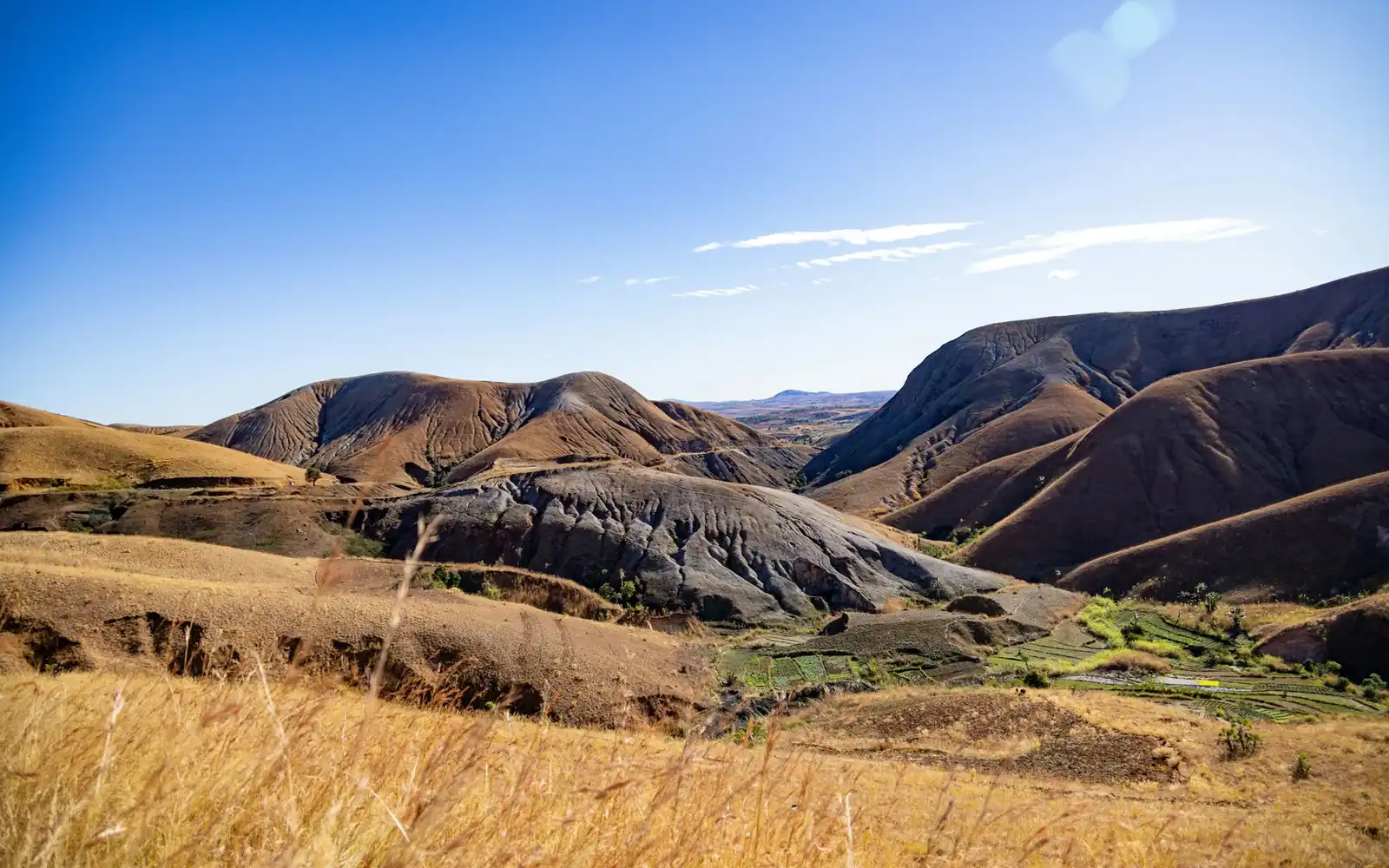
Sumbawa sits directly east of Lombok, across the Alas Strait. Lombok has international flights, ring roads and a mature tourism scene from Kuta to the Gili Islands. Sumbawa, by contrast, is long, sparsely populated and still largely agricultural and savanna-dry in the north and centre, with pockets of reef, forest and surf-focused enclaves on the coasts. Both islands can belong on a high-end Indonesia itinerary — they just deliver very different kinds of “luxury”.

This page is an independent comparison, not a sales pitch. At Sumbawa Luxury we don’t own or operate resorts, boats or cars. We research, curate and sanity-check, then connect you to a vetted on-the-ground partner if you choose to book. No one can pay to change what we publish; if you proceed with our partner they may pay us a referral fee at no extra cost to you.

Quick comparison: Sumbawa vs Lombok at a glance

Geography
Lombok is compact and volcanic-green in the uplands, with dense settlement in the west and south. Sumbawa is much larger, more sparsely populated, with long dry stretches and wild peninsulas.
Crowds & development
Lombok: busy in hubs (Kuta, Senggigi, Gilis); established tourism infrastructure. Sumbawa: quiet outside a few surf zones; limited general tourism build-out.
Surf character
Lombok: mix of playful and powerful, often crowded at accessible spots. Sumbawa: generally heavier, hollower waves and far fewer people, especially off-peak.
Stays & amenities
Lombok: broad range from budget to five-star, plus beach clubs and cafes. Sumbawa: small scatter of eco-luxury resorts and homestays; simple towns and villages in between.
Access
Lombok: international and domestic flights, good road coverage. Sumbawa: domestic flights to a couple of small airports, plus ferries; more time in cars and on boats.
Cost level (last verified June 2026)
Lombok: wide range; mid- to high-end options more common. Sumbawa: basic stays can be slightly cheaper; eco-luxury and boat charters priced at a premium due to remoteness.
Best for
Lombok: first-time Indonesia trips, social beach holidays, mixed-ability surf, families wanting facilities. Sumbawa: experienced surfers, nature-focused travellers, and anyone craving space over scene.

If you want tailored guidance on Sumbawa or Lombok — or combining the two — you can plan your trip with us via email or WhatsApp. We’ll help you compare routes, seasons and stays, then connect you with a trusted operating partner to book.

Crowds & development: how quiet is Sumbawa compared to Lombok?

Lombok: established, but still lighter than Bali

Lombok is no longer a “spillover” from Bali; it’s a mature destination in its own right. Kuta Lombok and the south coast are lined with cafes, beach clubs, surf schools and a wide spread of guesthouses and villas. Senggigi, Mataram and the Gili Islands bring additional clusters of hotels, bars, dive shops and domestic tourism.

The upside is ease. You can land, transfer to your stay on good roads, find ATMs, pharmacies, restaurants with English menus and multiple options for lessons, tours and drivers. The trade-off is that many of the easily reached beaches are busy in high season, and you do share the island with a substantial visitor flow.

Sumbawa: long, quiet, and still primarily local

Sumbawa feels completely different. Once you cross from Lombok by ferry to Poto Tano, or arrive at one of Sumbawa’s small airports, you enter a landscape that is mostly local villages, cattle, dry hills and long distances between “tourist” hubs. Much of the coast sees more fishermen than foreign visitors.

There are a few notable exceptions — surf-centric parts of West Sumbawa and a remote eco-luxury cluster or two along the south and east where travellers stay explicitly for surf, kitesurf or off-grid relaxation. But outside those pockets, general tourism infrastructure is light: modest hotels in the main towns, basic warung food, minimal nightlife.

The upside here is clear: very few crowds and long, quiet beaches, especially if you explore beyond a single bay. The downside is equally important to acknowledge: longer travel times between points of interest, fewer “backup” options if something is closed, and less immediate comfort if you like to mix wild coast with evenings out.

Aspect Lombok Sumbawa
Tourism density High in south/west & Gilis; quieter north/east Low overall; small surf clusters only
Nightlife & bars Present in Kuta, Gilis, Senggigi Very limited; mostly at a few surf camps or resorts
English spoken Common in tourist areas Patchy outside main surf/tourism enclaves
“Unplanned” wandering Easy: many cafes, rentals, casual options Harder: best with some pre-planning & local contacts

Surf: heavier, emptier Sumbawa vs user-friendly Lombok

Surf is where the Sumbawa vs Lombok decision becomes sharpest. Both islands face the Indian Ocean and catch long-period swell. How those waves meet the reef differs.

Lombok: accessible variety, more people in the water

Lombok offers a broad range of breaks: beginner-friendly inside sections, performance peaks and occasionally serious waves, often all within a short drive or boat ride from Kuta. Surf schools and boat operators are common; you can arrive with minimal local knowledge and still find a rideable wave most days in season.

The trade-off: crowds, especially at well-known, boat-accessed rights and lefts near the southern bays. Expect peak-season lineups with surf schools and mixed abilities. You can still find quieter corners by exploring further east or west along the south coast, but “easy access” almost always means company.

Sumbawa: consequence, quality and long lulls

Sumbawa’s surf reputation is built on power and emptiness rather than accessibility. The island’s west and south coasts are lined with reef passes and points that, in the right conditions, deliver world-class, often heavy waves. Certain zones are famous among experienced surfers for their hollow, fast walls and more serious consequences for mistakes.

From a distance, this can look like a simple equation: Sumbawa is better than Lombok for surf. In practice it’s more nuanced:

  • Sumbawa’s premier waves tend to be less forgiving for beginners or intermediates. They often break over shallower reef, with stronger currents and heavier sections.
  • Conditions are more finicky. Local wind patterns, tides and swell angles matter a lot; some setups have defined “windows” each day, rather than all-day consistency.
  • Lineups are generally far less crowded than on Lombok — but you need the right season, some patience, and often a boat or longer drive to unlock that solitude.

If your question is explicitly “Sumbawa or Lombok for surf lessons?”, Lombok is usually the better choice thanks to mellower waves and more coaching infrastructure. If you’re asking “Is Sumbawa worth visiting for experienced surfers?”, the answer is often yes — if you plan for the right time of year, accept the travel effort, and respect that some days the ocean simply doesn’t turn on.

For detail on specific zones, see our focused guides on West Sumbawa surf and Sumbawa’s southern coast breaks.

Stays & amenities: polished Lombok vs remote eco-luxury Sumbawa

Lombok: range, polish and easy comforts

Lombok’s accommodation landscape is broad: international-standard resorts near Senggigi and the Gilis, boutique hotels and villas around Kuta and surrounding bays, and a long tail of mid-range guesthouses and homestays. Many come with pools, air-conditioning, good Wi‑Fi and on-site restaurants. Families can find connecting rooms, kids’ menus and babysitting; groups can anchor in a villa and eat out every night without repeating spots.

High-end prices on Lombok are generally below equivalent Bali rates, but the spread is wide. Last verified June 2026, approximate nightly ranges for two people:

  • Simple guesthouses: ~IDR 300,000–700,000
  • Boutique mid-range hotels and villas: ~IDR 900,000–2,500,000
  • High-end and branded resorts: ~IDR 2,500,000–6,000,000+

Sumbawa: fewer properties, more space and quiet

Sumbawa’s stays skew to two ends of the spectrum: functional town hotels and homestays for domestic travellers and transits, and a limited number of eco-focused retreats and surf lodges in remote coastal locations.

Those higher-end, nature-focused stays tend to lean into off-grid comfort: open views, more land per room, fewer keys, and a close relationship to the ocean or savanna around them. You’re more likely to eat at the in-house kitchen (sometimes the only realistic option nearby), and less likely to find a strip of alternate restaurants or bars within walking distance.

Because these places are small, remote and have higher logistics costs, pricing can surprise travellers who expect “cheaper because undeveloped”. Last verified June 2026, typical nightly ranges for two people:

  • Basic homestays / simple town hotels: ~IDR 250,000–600,000
  • Surf camps / small mid-range resorts: ~IDR 900,000–2,000,000
  • Eco-luxury retreats in remote coastal locations: ~IDR 2,500,000–7,000,000+ depending on inclusions

Luxury here is less about marble lobbies and more about having a wild bay almost to yourself, good mattresses and fans or AC that actually work, and a team that understands tides, weather and logistics.

For a sense of what eco-luxury means in this context, explore our deep-dive on a representative eco-luxury resort in Sumbawa: power systems, water use and how “off-grid” translates into comfort and compromise.

Food, healthcare and practicalities

On Lombok, you can find everything from simple warung meals to Western cafes, plant-forward menus and cocktail bars. Pharmacies, clinics and small hospitals are accessible around Mataram, Kuta and Senggigi. Card payments are common in mid- to upper-range places, though smaller businesses still prefer cash.

On Sumbawa, food choices thin out quickly once you leave towns or a resort zone. Expect local rice-and-fish first, Western favourites second. Vegetarians and vegans can eat well with some planning, but options are narrower. Healthcare is limited to small hospitals and clinics in major towns; anything serious is best handled in Lombok, Bali or Jakarta, so travel insurance and a realistic risk tolerance are important.

Access & cost: getting to Sumbawa vs Lombok

Reaching Lombok

Lombok has an international airport in the south, with a mix of domestic routes (from Jakarta, Bali and other Indonesian cities) and a shifting set of regional connections. Flight schedules change, but Lombok is firmly on the air map.

From Bali, there are also fast boats to the Gili Islands and northwest Lombok. These can be convenient, but are subject to sea conditions and safety standards that vary between operators; we suggest checking the latest reputations rather than assuming all fast boats are equivalent.

Reaching Sumbawa

Sumbawa is connected by air and sea, but with fewer frequencies and more moving parts:

  • Domestic flights serve at least two small airports on the island from larger Indonesian hubs. Routes and timetables shift, and flights can be delayed or rescheduled more frequently than on main tourist corridors.
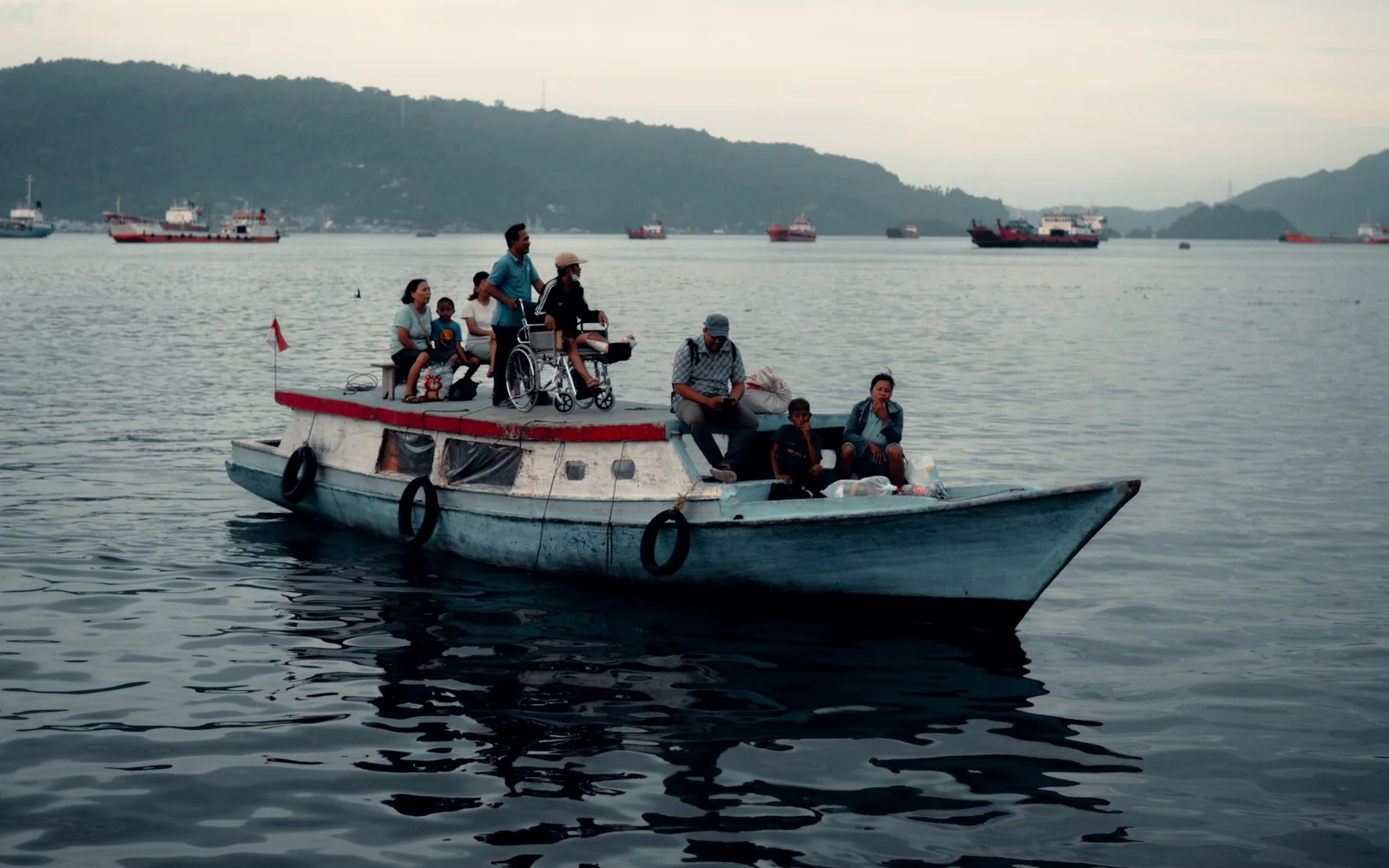
  • Public ferries run between Lombok and Sumbawa (Alas Strait). Crossings are straightforward but slow, and schedules can be affected by weather or port congestion.
  • From Sumbawa’s western entry point, road travel to key coastal areas can take several hours; distances on the island are long.

This doesn’t make Sumbawa inaccessible, but it does mean you should build buffer time into your plan and avoid back-to-back, hard connections with international flights. Private transfers and chartered boats can smooth some of this, but they add cost and may still be weather-dependent.

Cost comparison: “cheaper” isn’t always simpler

On paper, Sumbawa’s basic costs — local meals, fuel, simple rooms — can be a touch lower than Lombok. In practice, a Sumbawa trip can end up similar or more expensive overall because:

  • You’ll often rely on private drivers or boat transfers, not rideshares.
  • Eco-luxury stays price in remoteness, low density and higher logistics overhead.
  • Fewer flights and routes give you less ability to optimise for the lowest fares.

Lombok’s broader range of supply creates more price tiers and last-minute options. You can still spend high if you choose top-end villas and resorts, but you have more latitude to adjust spend once on the ground.

Who each island suits: Sumbawa or Lombok for your style of trip?

Sumbawa is worth visiting if…

The question “is Sumbawa worth visiting?” is really “for whom, and with what expectations?” It usually is, if you recognise yourself in some of these:

  • Experienced surfers and waterpeople who are comfortable with heavier reef setups, variable conditions and less hand-holding.
  • Travellers who equate luxury with space: fewer people in sight, big skies, the sound of wind and waves instead of traffic or music.
  • Photographers and nature-focused travellers drawn to arid hills, wild headlands, and the day-to-day rhythm of local life rather than curated scenes.
  • Returning Indonesia visitors who’ve “done” Bali and Lombok’s main beats, and are ready for more logistical puzzle-solving in exchange for quiet.

Sumbawa may not suit you if you:

  • Want nightlife and varied restaurant options within walking distance.
  • Prefer short transfers and predictable schedules over long drives and ferries.
  • Are travelling with very young children or people who need easy access to medical care or specific diets without advance planning.

Lombok is a better fit if…

Lombok tends to suit:

  • First-time visitors to Indonesia who want some wildness and surf, but also appreciate a choice of cafes, ATMs, spas and guided tours.
  • Mixed-ability surf groups, where some people are learning and others are more advanced.
  • Families and friends trips who enjoy villa living, occasional nights out, and the option to pivot plans without reengineering the whole itinerary.
  • Shorter breaks of 5–7 days, when you don’t want to “spend” a full day crossing straits and driving.

Neither island is inherently “better”. Sumbawa compared to Lombok is an exercise in trade-offs: easy versus empty, polished versus raw, scene versus solitude. The right choice is the one that matches your threshold for effort, comfort and uncertainty.

Combining both: Sumbawa from Lombok in one itinerary

You don’t have to pick sides in the Sumbawa vs Lombok debate. Many discerning travellers are happiest using Lombok as a softer entry and exit point, then adding a Sumbawa leg for surf or deep quiet in the middle.

Common combined patterns

Here are a few realistic ways to structure a combined trip:

  • Surf-forward route: Fly into Lombok → warm up on south Lombok waves for a few days → cross by ferry and drive to a chosen Sumbawa surf region → return to Lombok for a final night or two near the airport.
  • Family compromise: Base the group in Lombok (villa or resort) → one or two surfers peel off for a Sumbawa strike mission with a driver and simple stay → rejoin on Lombok for shared downtime.
  • Slow travel arc: Spend time in Lombok’s inland and coastal areas → head east to Sumbawa for a remote eco-luxury stay focusing on tides, hikes and reading days → loop back via Lombok or onward through Flores.

In each case, the key is to respect transit days, not pretend they’re half-days at the beach. Ferry crossings, land transfers and flight buffers add up. You can find practical detail in our guides to the how to get to Sumbawa routes and the best time to visit Sumbawa based on seasons and swell.

If you’d like a neutral sounding board on how to thread Lombok and Sumbawa together — where to add or shave nights, what to avoid in monsoon months — you can plan your trip with us over WhatsApp or email. We’ll map options and then, if you wish, introduce you to a trusted local operating partner to handle bookings.

Sumbawa vs Sumba: a quick note

“Sumbawa vs Sumba” is another comparison that comes up, usually from travellers scrolling maps of eastern Indonesia. They are different islands entirely, separated by hundreds of kilometres and distinct cultures.

  • Sumbawa sits immediately east of Lombok in West Nusa Tenggara province. It’s reachable by road and ferry from Lombok, with small airports, agricultural lowlands, surf-heavy coasts and a mix of dry savanna and greener pockets.
  • Sumba lies further east in East Nusa Tenggara. It’s known for its megalithic traditions, grasslands, some very high-end, often secluded resorts, and a growing reputation for kitesurf and seasonal waves.

If your primary lens is “surf plus relative ease from Bali or Lombok”, Sumbawa is the more straightforward extension. If you’re after culture, horses, and a different aesthetic of dry islands, Sumba belongs in a separate conversation and typically requires dedicated flights and more time.

How Sumbawa Luxury can help

We are editors and researchers, not a tour operator. Our role is to:

  • Decode logistics: ferries, routes, seasons, realistic transit times.
  • Compare specific stays and surf zones honestly, including access challenges and trade-offs.
  • Share by-quote price ranges (last verified June 2026) so you have a grounded sense of budget before you commit.
  • Connect you with a vetted operating partner on the ground who will actually run your trip, if you choose to proceed.

No one can pay to change what we publish; if you go ahead with our partner, they may pay us a referral fee at no extra cost to you. If you’d like tailored help deciding between Sumbawa and Lombok or designing a trip that includes both, plan your trip with us and we’ll continue the conversation on WhatsApp or email.

FAQs: Sumbawa vs Lombok

Is Sumbawa worth visiting if I’ve already been to Lombok?

Yes, if you value wilder landscapes, emptier surf and a more local-feeling island. Sumbawa feels significantly less developed than Lombok, with longer distances, fewer people and more logistical friction. If that sounds appealing rather than inconvenient, it’s a meaningful next step after Lombok.

Is Sumbawa cheaper than Lombok?

Basic day-to-day costs can be slightly lower, but overall trip costs can be similar or higher due to longer transfers, fewer flight options and the premium on remote eco-luxury stays. Lombok gives you more ways to moderate spend once you arrive.

Which has better surf, Sumbawa or Lombok?

“Better” depends on your level. Lombok has more accessible, user-friendly waves and surf schools, but also more crowded lineups. Sumbawa is known for heavier, hollower waves and far fewer surfers, better suited to confident reef riders who plan for the right season and accept that not every day will align.

How do I get from Lombok to Sumbawa?

Most travellers cross by public ferry between east Lombok and west Sumbawa, then continue by road to their chosen coastal area. There are also domestic flights into Sumbawa’s small airports from other Indonesian hubs. Schedules, routes and conditions can change, so it’s wise to confirm specifics close to travel.

Is Sumbawa or Lombok better for a family trip?

Lombok usually works better for most families thanks to shorter transfers, more accommodation choice, easier surf options and better access to medical care and varied food. Sumbawa can suit families who are already comfortable in remote settings and are specifically seeking quiet, but it demands more planning and flexibility.

Plan Your Trip
WhatsAppPlan Your Trip