How to read this: Sumbawa Luxury is an independent concierge guide — we curate and compare eco-luxury stays, surf trips and island experiences, then arrange your booking through a vetted operating partner. We do not own or operate the resorts, and resort or brand names (including any historical Aman/Amanwana reference) are used only as neutral examples, not claims of affiliation. Prices are by quote and vary by property, season and party; figures here are indicative. Flights, ferries and surf seasons change — confirm before you travel. This is general information, not a binding offer.
Sumbawa wild honey and culture are two sides of the same savanna island story: forest honey harvested high in cliffside trees, and small, electric horses racing across dusty fields to shouted village chants. At Sumbawa Luxury, we help you understand these living traditions and fold them into an eco-luxury surf or island escape without turning them into a show.
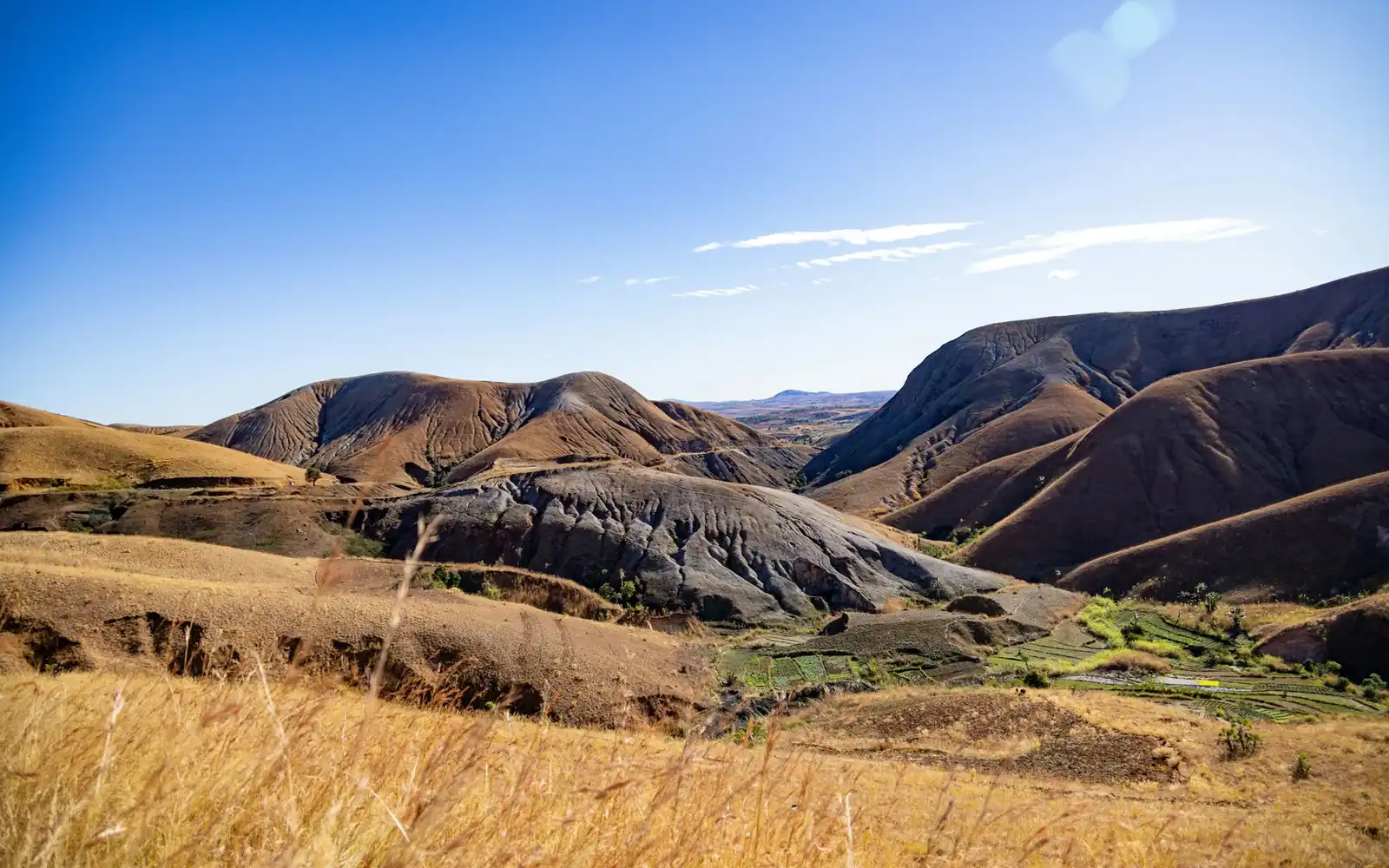
Sumbawa is not Bali with a different backdrop. It is drier, more open, more quietly intense. Hills roll into grassland, lontar palms scatter over ridges, and villages feel inland-facing rather than beach-facing. Here, wild forest honey and main jaran (traditional horse racing) are not “add-on activities”; they are part of how people work, celebrate, and move through the seasons.
We curate, compare and connect: you choose your remote stay or surf base, we map cultural possibilities around it, then connect you to a vetted local partner to host or guide you respectfully. We do not own or operate any of these traditions, and we do not stage them on demand. No one can pay to change what we publish; if you proceed with our partner they may pay us a referral fee at no extra cost to you.
Wild forest honey in Sumbawa: what it is and why it matters
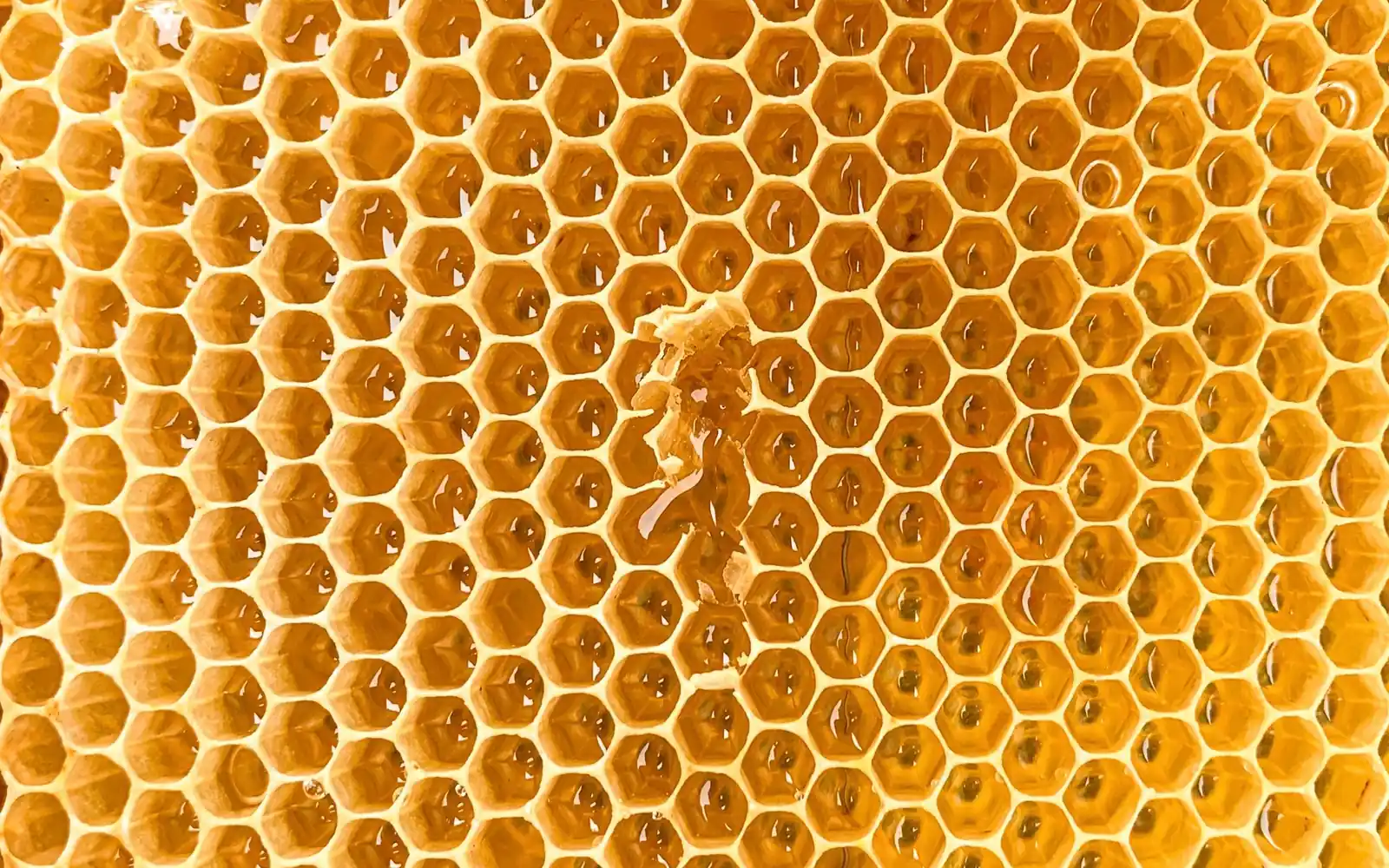
Wild forest honey in Sumbawa is not a boutique product invented for visitors. It is a long-running livelihood in the island’s dry forests, where climbers scale tall trees and cliff faces at night to harvest honey from wild bee colonies.
You will hear it described locally as “madu hutan” or sometimes “madu Sumbawa” — shorthand for honey gathered from wild bees in forest or savanna-edge trees rather than in boxes on a farm.
Sumbawa’s drier climate, with marked wet and dry seasons, creates distinct flowering cycles. Certain trees bloom heavily after the rains, pulling bees into dense clusters and giving harvesters a window to work. In some inland districts honey is sold raw in reused whisky bottles along the roadside; in more remote areas it travels out on motorbikes to coastal markets or to families who keep it for medicine.
How wild honey is harvested
The classic image of wild forest honey harvesting in Sumbawa is not romantic; it is raw and risky. Men climb high trees or cliff faces, often at night, guided by moonlight and small lamps. Smoke is used to calm or drive off the bees, then honeycombs are cut out and lowered in baskets.
Common threads across Sumbawa’s honey areas:
- Timing is seasonal. Harvests track flowering, which tracks the rains. Broadly, that means more reliable honey activity from the later wet season into the early dry (roughly February–July), but exact months vary by rainfall patterns and micro-climate.
- Sites are remote. The best trees and rock faces are usually reached via dirt tracks and forest paths. Expect heat, dust, and sometimes river crossings rather than manicured trails.
- Work is skilled and hazardous. Falls and stings are real risks. This is not something that should ever be recreated “for experience value” with untrained visitors.
Because of these realities, the most respectful way to experience wild forest honey in Sumbawa is almost always through storytelling, tasting, and observing supporting activities — not by tagging along on a climber’s rope.
Where you can learn about wild forest honey, not stage it
Sumbawa does not yet have slick “honey museums”, but there are a few types of experiences our partners can arrange around wild forest honey Sumbawa:
- Village visits with honey-harvesting families.
In inland pockets of West and Central Sumbawa, some families who harvest honey are open to visitors stopping by for tea, tasting, and conversation. You might: - see how combs are strained and stored;
- hear how they decide when to climb and when to rest the bees;
-
walk short paths to see the trees from below (not to climb).
These visits are low-key and usually combined with a broader village or farming walk. -
Market-side honey tasting and buying.
In larger towns you may see wild honey sold on market days, sometimes beside more conventional products. With a local fixer or guide, you can: - compare color and thickness from different areas;
- hear traders’ views on which season or area gives the “strongest” honey;
-
buy a bottle to bring back to your lodge (check with your resort about refrigeration and any customs limits at home).
-
Forest-edge walks near eco-lodges.
Some eco-luxury stays sit within reach of forest margins where bees forage. You will not be harvesting, but: - you might see flowering trees humming with bee activity in peak season;
- lodge staff may know local harvesters and can share stories or arrange an informal talk at the property.
We only recommend visits where hosts have said clearly they are comfortable receiving guests, and where your presence does not push people into risky demonstrations.
What wild honey means in Sumbawa culture
Honey here is:
- Food and medicine. Used for stamina, coughs, postnatal care, and as a general “strengthener”. You will hear people talk about their preferred “madu Sumbawa” much as others talk about a trusted herbal tonic.
- Cash income that fits the seasons. Harvesters often farm, fish, or work casual jobs; honey comes in as an extra, linked to flowering peaks.
- A point of quiet pride. Many islanders know that Sumbawa honey is sought after elsewhere in Indonesia. That awareness is growing faster than formal certification or protection.
There are also trade-offs:
- Overharvesting or careless cutting can harm wild colonies.
- Rising demand can encourage unsafe climbs or pressure to harvest at suboptimal times.
Our preference is to connect you with hosts who talk plainly about these issues, including what they are still working to improve, rather than those who package “perfect sustainability” with no detail.
Main jaran Sumbawa: traditional horse racing on a savanna island
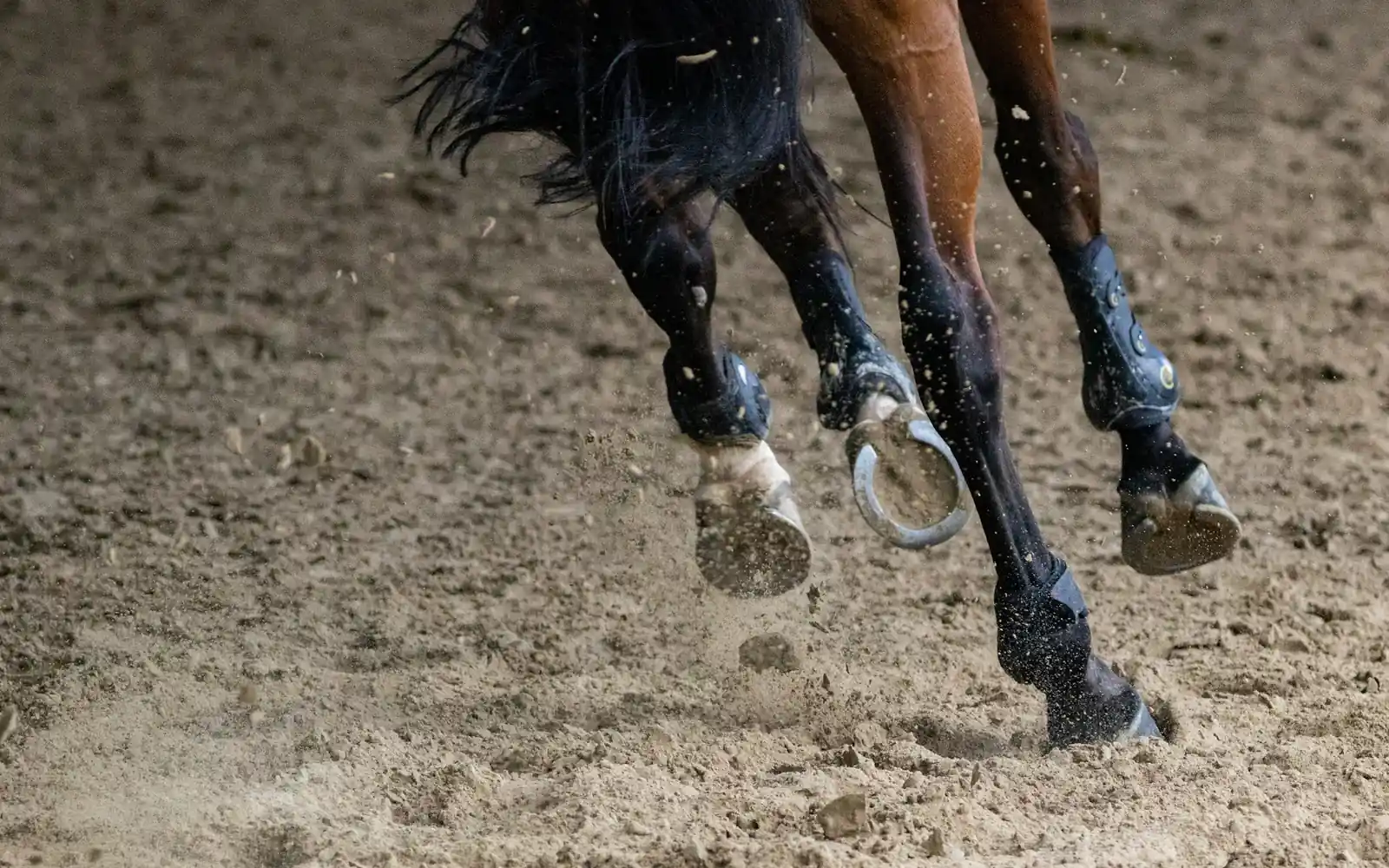
Main jaran Sumbawa — traditional horse racing — is one of the island’s most vivid expressions of community energy. It is dusty, noisy, and charged with local rivalries and pride. Unlike carefully scripted equestrian events, this is a practical race culture rooted in an island that has bred small, tough horses for centuries.
What Sumbawa horse racing actually looks and feels like
Expect:
- Lean, small-framed horses. Sumbawa horses are compact and muscular, closer to ponies in size but built to move. They are working animals first: used in agriculture, transport, and ceremonies, then trained up for speed.
- Jokeys often young, always light. Historically some races used child riders; local attitudes and regulations are evolving, and in some areas you now see slightly older, still very light jockeys. Conditions and safety vary by location and organiser.
- Earth tracks or simple racecourses. Tracks may be oval or straight, usually with packed dirt and minimal infrastructure. You stand close to the action, often under sparse shade or open sky.
- Village atmosphere. Stalls selling rice dishes, grilled meat, iced drinks. Men huddled around betting spots. Loud commentary in Bahasa Indonesia or local languages. Kids chasing each other on the sidelines.
Atmosphere depends heavily on the event: a major regional meeting feels dense and loud; a small local race feels looser and more improvised. Neither is designed around visitors, which is exactly the point.
When main jaran Sumbawa happens
There is no single island-wide calendar locked years in advance. Instead:
- Races often track dry-season windows. Many communities prefer drier months so tracks are firm and travel easier. Roughly, that can mean activity anytime from May to October, but:
- some regions run races outside these months;
-
dates shuffle for local holidays, politics, and religious observances.
-
Bigger meetings cluster around local festivals. Certain religious or civic holidays can anchor marquee races, sometimes announced only a few weeks prior.
-
Smaller race days pop up irregularly. These can be organised more loosely, sometimes confirmed only days before.
Because of this fluidity, any online “calendar” that claims fixed dates years out for Sumbawa horse racing should be treated with caution. Our approach is to:
- check for upcoming events via local networks shortly before your stay;
- weigh travel time from your base to the course;
- be honest if nothing appropriate is happening during your window.
We will not promise main jaran on a specific date months ahead unless a local organiser has formally confirmed it, and even then we flag that local schedules can shift.
How visitors can attend respectfully
If your dates line up with a race:
- Go as a guest, not as a client. You are attending a local event, not a packaged attraction. Expect few signs in English and minimal explanatory commentary.
- Dress modestly and practically. Light long sleeves, hat, and closed shoes. Conditions are often hot, dusty, and exposed. Bring water and sun protection.
- Ask before close-up photos. Wide shots of the track and crowd are usually fine. For tight portraits of jockeys, handlers, or children, always ask via your guide or with simple Bahasa.
- Expect variable animal welfare standards. Some owners care deeply for their horses; others operate with practices you may find confronting. Your guide can help you choose events where handling is more controlled, but cannot guarantee uniform standards.
We suggest framing main jaran as a lens on Sumbawa culture — community gathering, risk, pride — rather than as a “must-do”.
Local life and Sumbawa traditions around honey and horses
Both wild honey and horses plug into a broader matrix of Sumbawa culture — savanna agriculture, seasonal movement, and layered identities shaped by waves of influence from Bali, Lombok, Makassar, and beyond.
A savanna island, not a rainforest
Much of Sumbawa feels more like eastern Indonesia or parts of northern Australia than like the volcanic jungles many visitors associate with Indonesia:
- Long dry months brown the hills and savannas.
- Lontar and coconut palms dot ridgelines.
- Cattle and horses graze where in wetter islands you might see rice in every valley.
This environment shapes work:
- Farming tends toward dryland crops in many areas outside irrigated pockets.
- Livestock — particularly horses and cattle — becomes both livelihood and cultural symbol.
- Forest resources like wild honey fill in seasonal gaps.
Daily rhythms you may notice
Across the island, you may see:
- Horse-drawn carts near markets or on village roads.
- Men gathering under roadside trees in the late afternoon, talking politics, race gossip, or prices.
- Women carrying baskets or water along small paths, often with children in tow.
- Call to prayer structuring the day in Muslim-majority communities, with churches and temples present in other pockets.
If you stay in smaller coastal or inland areas, early evening in the village can be as memorable as any “activity”: kids playing football on dusty fields, goats wandering home, roosters starting arguments.
Language, religion, and community
Sumbawa has several local languages and cultural identities, including Samawa in the west and Mbojo in the east, alongside Bahasa Indonesia. Most people you meet will identify strongly with their local area first, then as “orang Sumbawa”, then as Indonesian.
Islam is the majority religion, with practice that ranges from formal to relaxed depending on community and family. As a visitor, modest dress and sensitivity around prayer times and Ramadan will go a long way.
Horses, honey, and even local textiles or food all sit inside these broader patterns; none are freestanding “attractions”.
Respectful, low-impact ways to experience Sumbawa culture
Cultural experience in Sumbawa works best when it is quiet and mutual, not extractive. The goal: leave more understanding and benefit than disruption.
Principles we use to curate cultural time
- No staging of risky work. We do not ask honey climbers to perform harvests purely for visitors.
- Existing rhythms over invented shows. We look for markets, races, and ceremonies that are happening anyway, and help you attend with context.
- Local hosts at the centre. Experiences are led by people from the community: farmers, honey harvesters, home cooks, village elders, local guides.
- Clear expectations about photos, gifts, and money. Your guide will brief you on what is appropriate for the specific village or event.
We work with independently-run partners who meet baseline standards for safety, transparency, and local involvement. No one can pay to change what we publish; if you proceed with our partner they may pay us a referral fee at no extra cost to you.
Types of culture-forward experiences around wild honey and horses
You can expect options such as:
- Honey-focused village visits
- Half-day wander in a village where some families harvest wild honey.
- Forest-edge walk to see flowering trees or bee-rich areas from the ground.
-
Tasting session with discussion about seasons, risks, and how income is shared.
-
Market and food walks
- Visit a morning market with a local host.
- Sample dishes that pair well with honey, or see how honey is sold alongside spices and herbal blends.
-
Learn what people actually cook on race days versus daily life.
-
Main jaran race attendance
- Guided half or full day at a race if one is running in accessible distance.
- Explanation of racing formats, betting norms, and horse training routines.
-
Quiet observation rather than intrusive photography.
-
Everyday life walks
- Evening strolls through villages near certain eco-luxury resorts or surf bases.
- Informal stops to watch weaving, coffee roasting, or horse exercising.
Because distances can be long and road conditions uneven, we always map travel time honestly. Some experiences are better if you are based for a few nights in or near the relevant region rather than on the far side of the island.
If you would like to add honey, horse racing, or village time to a surf or retreat itinerary, you can plan your trip with our editors via email or WhatsApp. We match you with a partner best placed for your dates, budget, and comfort level.
How to fold Sumbawa wild honey and culture into your trip
The right cultural experiences for you depend on where you stay, how long you have, and how much heat and unpredictability you are comfortable with.
Linking culture with eco-luxury stays
Some high-end eco-luxury stays in Sumbawa sit within reach of honey-harvesting communities or horse-breeding areas. Others focus more tightly on surf or marine life.
We help you compare stays on three axes:
- Access to culture — realistic drive times to villages or racecourses.
- On-site context — do owners and managers actively engage with nearby communities or keep operations more inward-facing?
- Family-friendliness — how suitable is each base if you are travelling with children and want low-intensity village time rather than long, hot days?
For example:
- A remote surf lodge on a quiet bay might be perfect if your priority is waves and you want just one gentle village visit folded into your week.
- A more centrally located eco-resort with easier road access might make it simpler to slot in a half-day at a race or multiple honey and farming visits.
You can cross-reference this cultural layer with our guides on best time to visit Sumbawa, Sumbawa for families, and Sumbawa’s quieter beaches to time your stay to both seasons and your own rhythms.
Combining culture with sea experiences: surf and whale sharks
Sumbawa is internationally known for waves and increasingly for its whale shark encounters in Saleh Bay. Culture does not sit apart from these; it surrounds them.
- Surf and culture:
- On surf-heavy itineraries, a rest day from the water can be a perfect slot for a market walk or village honey visit.
-
Some surf bases employ staff from nearby villages who are happy to share stories over evening coffee if you show interest.
-
Saleh Bay whale shark trips and village life:
- Many whale shark operators work near coastal communities. With the right partner, you can combine a Saleh Bay excursion with a low-key afternoon onshore: simple meals, talk of fishing, and local perspectives on marine change.
- Read our detailed Saleh Bay whale shark guide to understand how seasonality, boat choice, and ethics play out, then talk to us about weaving in time on land with nearby communities.
Remember: sea conditions, whale shark presence, and race schedules are all variable. We focus on probability and pattern, not guarantees.
Sample ways to structure culture days
These are sketches, not fixed packages, but they illustrate how Sumbawa wild honey and culture might sit inside a real trip:
- Honey and savanna afternoon (from a central eco-resort)
- Late morning departure to an inland village (1–1.5 hours typical drive on mixed roads).
- Walk with a local host past fields and forest edge, discussion of flowering and honey seasons.
- Tasting at a family home, tea and snacks, casual Q&A.
-
Return to your resort by early evening for a swim and dinner.
-
Race day and river stop (from a town or accessible coastal base)
- Depart mid-morning to reach the racecourse before the main heats.
- Watch several races with explanation from your guide.
- Simple lunch from local stalls or pre-arranged at a nearby warung.
-
Short stop at a river or viewpoint on the way back to break up the heat.
-
Market, honey, and sunset beach (for families)
- Early market visit with a child-friendly guide.
- Honey tasting and simple participatory cooking (for example, drizzling honey on local snacks) at a village home.
- Late afternoon return to a quiet beach near your resort, combining culture with sand time.
We adjust these sketches for road conditions, weather, and your energy.
Practicalities: cost, comfort, and trade-offs
Cultural experiences in Sumbawa are rarely polished. That is part of their value and part of the honest trade-off.
Comfort levels and expectations
You should be prepared for:
- Heat and dust. Much of the island is hot, with little shade during mid-day. Vehicles may be air-conditioned, but racecourses and village paths are not.
- Simple facilities. Squat toilets, bucket showers, and basic seating are common in villages and at race tracks.
- Variable English. Some hosts speak conversational English; others do not. A bilingual guide or fixer bridges most gaps, but long, nuanced conversations may require patience and translation pauses.
If you prefer air-conditioned museum-style culture, Sumbawa will feel raw. If you value live, unpolished encounters, this island rewards curiosity.
Pricing ranges and how we work with them
Cultural experiences around Sumbawa wild honey and horse racing usually sit inside broader day-trip or multi-day logistics: vehicles, guides, meals, and occasionally small local contributions.
As broad guidance (last verified June 2026):
- Private half-day village or honey visit (excl. long-distance transfers):
- Commonly falls in the region of mid-range pricing for Indonesia once you factor in guide, vehicle, and host contributions.
- Guided race-day attendance from an accessible base:
- Often slightly higher than a standard sightseeing day because of variable timing and wait periods.
- Multi-day culture plus coast itineraries:
- Range widely depending on accommodation class, internal transfers, and any marine add-ons like Saleh Bay.
We do not publish single fixed prices here because:
- fuel costs and local rates shift;
- access roads and race schedules change, affecting time and cost;
- different travellers choose very different comfort levels (for example, private 4WD vs. simpler transport).
Instead, once we understand your dates, base, and priorities, we brief a vetted partner to quote for your specific trip. You pay them directly under their terms; no one can pay to change what we publish; if you proceed with our partner they may pay us a referral fee at no extra cost to you.
Key facts: Sumbawa wild honey and culture at a glance
- Core cultural threads
- Wild forest honey harvesting; main jaran Sumbawa (traditional horse racing); savanna-influenced village life.
- Best periods for honey-related visits
- Often late wet to early dry season (approx. February–July), but exact timing depends on local flowering and rainfall.
- Horse racing seasons
- Tend to cluster in drier months and around local holidays; schedules are local, variable, and often finalised only weeks ahead.
- Access level
- Most honey and horse experiences require road travel on mixed-quality roads; some demand tolerance for heat and basic facilities.
- Who should go
- Travellers comfortable with unscripted culture, modest infrastructure, and frank discussions around risk and change.
Planning with Sumbawa Luxury
Sumbawa Luxury exists as an independent eco-luxury and surf concierge guide: we compare stays, conditions, and experiences, then connect you to operators we trust to host you well. We do not run honey harvests, race events, or community visits ourselves.
For Sumbawa wild honey and culture, that means:
- you tell us your rough dates, preferred surf or coast base, and appetite for heat and road time;
- we propose a mix of stays and cultural touchpoints that make sense for your window;
- once you are happy, we connect you directly to a vetted operating partner to confirm details and pricing.
We write in detail about seasons and logistics elsewhere — see our guides to the best time to visit Sumbawa, families in Sumbawa, Saleh Bay whale sharks, and quieter beaches — so you can make clear-eyed decisions about how culture fits around surf, sea, and rest.
If you would like us to help you add wild forest honey, main jaran, or village life into your stay, you can plan your trip. Our editors are reachable via email and WhatsApp for detailed, candid planning.
FAQs: Sumbawa wild honey and culture
Can I join a wild honey harvest in Sumbawa?
In most cases, no — at least not in the sense of climbing with harvesters. The work is dangerous, and staging climbs for visitors can increase risk. What we can arrange are village visits, forest-edge walks, and tastings where harvesters explain their work and its seasons in detail.
Is main jaran Sumbawa safe for children to watch?
Watching from a sensible distance can be family-friendly for older children who handle heat and dust well. However, there is little in the way of barriers or formal seating, and facilities are basic. We recommend talking through your children’s ages, needs, and your comfort level with your planner before committing to race days.
What should I wear for cultural visits in Sumbawa?
Light, loose clothing that covers shoulders and at least to the knee; a sun hat; and closed shoes or sturdy sandals. Bring a scarf or light layer for entering more conservative villages or prayer spaces, plus sunscreen and water. For races, expect strong sun and dust, so consider sunglasses and a mask if you are sensitive.
Can I buy wild forest honey Sumbawa to take home?
Yes, in many areas you can buy bottled wild honey. Check your home country’s customs rules on importing honey and be prepared for informal packaging (reused bottles, handwritten labels). We suggest buying from hosts you have visited or from sellers your guide trusts, to reduce the risk of diluted or mislabelled honey.
How far in advance should I plan cultural experiences?
For village visits and honey-related experiences, a few weeks’ notice is usually enough, especially if you are flexible on exact days. For main jaran Sumbawa, race schedules are often confirmed only close to the event, so it is better to build in a flexible window rather than fix on a single date. Share your rough plans early via our plan your trip page so we can track options and update you over WhatsApp as your dates approach.