How to read this: Sumbawa Luxury is an independent concierge guide — we curate and compare eco-luxury stays, surf trips and island experiences, then arrange your booking through a vetted operating partner. We do not own or operate the resorts, and resort or brand names (including any historical Aman/Amanwana reference) are used only as neutral examples, not claims of affiliation. Prices are by quote and vary by property, season and party; figures here are indicative. Flights, ferries and surf seasons change — confirm before you travel. This is general information, not a binding offer.
Sumbawa hidden beaches are remote stretches of sand and reef where you can still walk for an hour and see more cow tracks than footprints. They sit along a largely undeveloped coastline that, for now, remains far quieter than Bali or even Lombok, with clear water, sparse crowds and a few pockets of reef that reward patient snorkelers.
Sumbawa snorkeling follows the same pattern: simple, low-rise access along the main island, and clearer, healthier coral gardens around Moyo Island and Saleh Bay, where currents bring nutrient-rich water and fish traffic. The trade-off is real: fewer beach clubs and easy boardwalks; more dirt roads, boat rides and timing trips around wind and swell.
This page is for travellers who want to understand what Sumbawa’s coast really offers: where the best beaches in Sumbawa sit, how isolated they feel, which bays give that sumbawa private beach experience, and how to line up the best Sumbawa snorkel spots with the right season, tide and logistics.
We are a guide, not an operator. We compare locations and stays, decode the access, and then connect you to a vetted local partner to actually book. No one can pay to change what we publish; if you proceed with our partner they may pay us a referral fee at no extra cost to you.
What Makes Sumbawa’s Beaches Different
Sumbawa’s shoreline is long, fractured and still largely undeveloped. That one fact shapes everything about the way its hidden beaches and snorkeling feel on the ground.
Empty, Wild and Mostly Low-Build
Compared with Bali and southern Lombok, Sumbawa has:
- Far fewer beds per bay
- Far less paved beachfront
- More grazing land and scrub pressing straight onto the sand
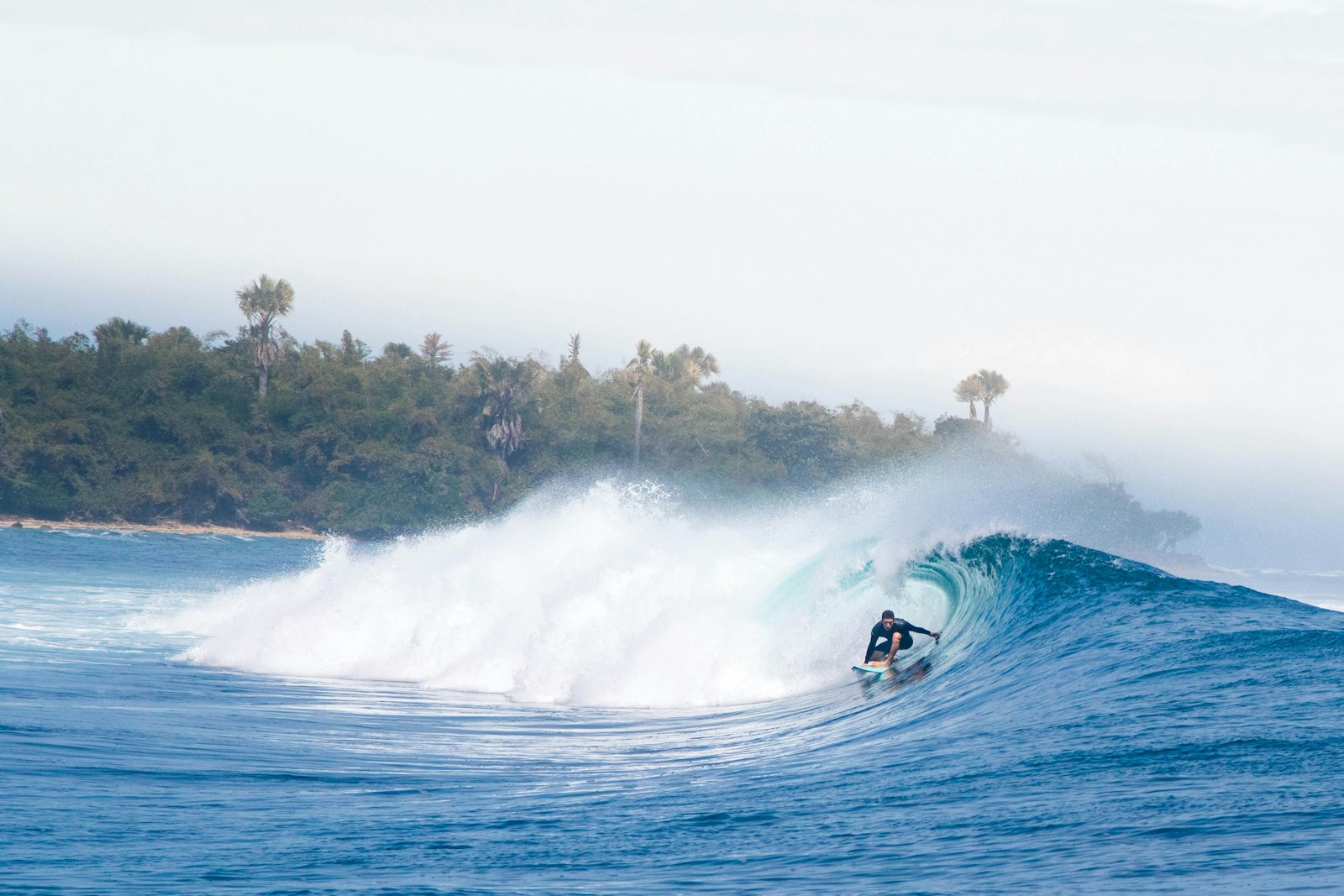
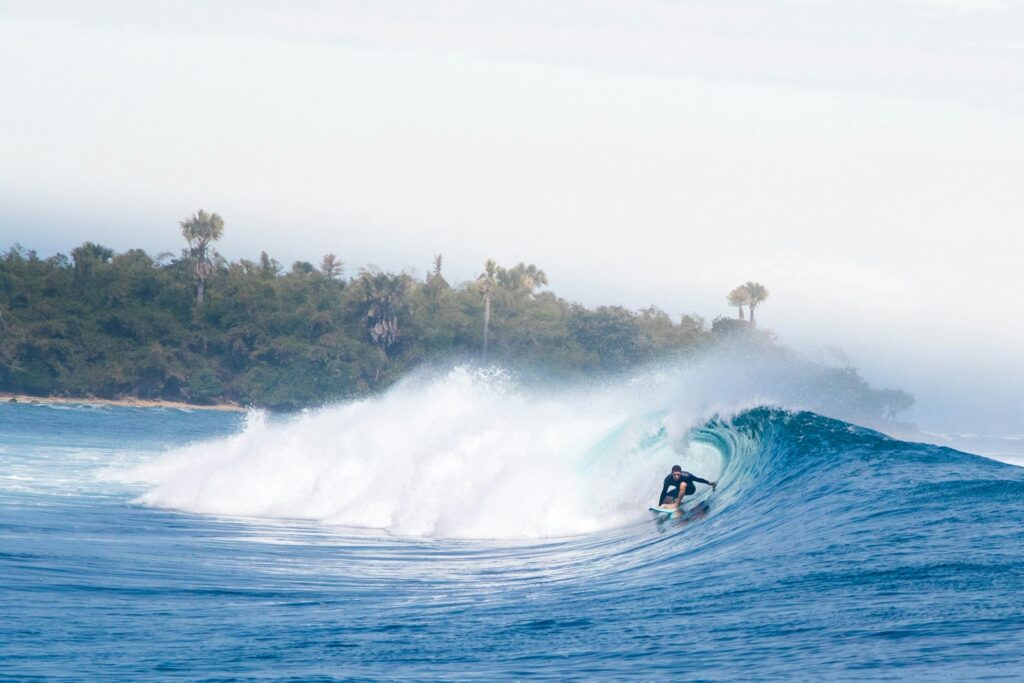
West Sumbawa and the south coast in particular are still dominated by headlands, river mouths and simple villages. You see more fishing canoes than parasols. A few surf-facing areas have grown into small hubs, but there are long runs of coast with no formal accommodation at all.
That has clear upsides:
- Space and quiet – easier to find an entire cove to yourself for hours
- Darker skies – good star visibility once you’re away from village light
- Water quality – lower density of outflow, especially away from river mouths
And some equally clear trade-offs:
- Limited cafés, bars and kid-focused infrastructure
- Patchy road maintenance; some access tracks turn rough in the wet season
- More self-reliance on sun protection, snacks and shade structures
A Swell-Facing Island, Not a Lagoon Destination
Much of Sumbawa’s south and west faces open Indian Ocean swell. That produces world-class waves, sculpted points and dramatic beach profiles. It also means:
- Shorebreak and rips in more exposed bays
- Periods of turbidity close to the sand during heavy swell
- Reef shelves that shine for surfing but only select pockets that suit relaxed snorkeling
Protected, lagoon-like conditions are more common:
- On the north coast
- In the lee of headlands and inside reef passes
- Around Moyo Island and in parts of Saleh Bay
Those are the areas we focus on for casual Sumbawa snorkeling and beach time with non-surfers.
Low Visitor Numbers and a Longer Season of Calm
Visitor numbers are still modest outside a handful of surf-famous pockets. Even in the European summer holidays, many Sumbawa hidden beaches see only a trickle of travellers.
Dry season (roughly April–October) brings:
- More reliable sunshine
- Generally drier trade winds
- Often the clearest snorkeling visibility, especially around Moyo and Saleh Bay
Wet season (roughly November–March) does not close the island, but:
- Some dirt tracks deteriorate
- River runoff can reduce clarity near river mouths after heavy rain
- Afternoon squalls become more common
We’ll talk through seasonality for each zone in more detail below.
Where to Find Sumbawa Hidden Beaches
Sumbawa is big. The quiet coves and clearer snorkeling are spread across several distinct regions. Understanding the map helps you decide how much time to assign and how intensive a road or boat journey you’re comfortable with.
West Sumbawa Coves and Surf-Adjacent Beaches
West Sumbawa is the easiest part of the island to combine with Bali or Lombok. Fast boats and domestic flights connect via Lombok and Sumbawa Besar, and from there a half-day overland run gets you into beach territory.
Here you find:
- Surf villages fronting long, open beaches
- Side tracks leading to smaller headland coves
- A few calmer corners in the lee of rocky points that can suit a relaxed dip or mask-and-snorkel session on quieter days
These beaches typically feel:
- Broad and exposed, with coarse to fine sand
- Largely free of permanent beach structures
- Backed by pasture, low scrub or cliffs rather than dense tourism build-out
Snorkeling here is opportunistic. On small-swell days, some reefy sections at the edges of main bays can be fun to fin across, with:
- Patch reefs and bommies
- Reef fish, occasional turtles and rays
- Variable visibility depending on swell and recent wind
This is not a classic house-reef destination; it’s a place where surf-focused travellers get a bonus swim or snorkel when conditions soften.
The South Coast: Long Sweeps and Remote Points
Sumbawa’s southern coast is more remote. Here, you can travel for kilometres with only grazing land, hills and the occasional village between you and the sea.
Hidden beaches here often mean:
- Small, pocket coves at the base of rough headlands
- Long, slightly curved bays with almost no built structures
- Darker sand in some areas due to volcanic geology
Access ranges from:
- Simple: a turn-off from the main coastal road, then a short walk
- Intermediate: dirt tracks that can require a high-clearance vehicle after rain
- Committed: hikes in and out of bays with no formal path
These beaches give some of the strongest “Sumbawa private beach” feeling on the main island, especially on weekdays outside domestic holiday periods. It is normal to share a kilometre of sand with a handful of local families, a grazing herd, and no visitors for hours.
Snorkeling on this coast is more limited, because:
- Swell exposure is high
- Shorebreak can be forceful
- Sand movement often clouds nearshore water
We typically recommend this zone primarily for:
- Wild coastal walking
- Surf watching and photography
- Solitude and big-sky seascapes
With any snorkeling kept cautious and local-guide led, targeting known calmer corners and only in forgiving conditions.
Moyo Island: Clear Reefs and Quiet Sand
Off Sumbawa’s north coast, Moyo Island offers a different profile: smaller scale, less surf, more reef. Protected waters and relatively low impact from heavy development have allowed some coral gardens to remain in good shape, particularly away from village harbours and river mouths.
On Moyo and the adjacent shallow reefs you get:
- Pale-sand beaches with a softer shore break
- Seagrass meadows supporting turtles in certain areas
- Coral slopes starting close to shore in several bays
Moyo is a core focus for Sumbawa snorkeling because:
- Currents bring clear water in the dry season
- Multiple sites are accessible with short boat rides
- Surface conditions can stay manageable for families and casual snorkelers in sheltered sectors
Accommodation options are fewer and more self-contained than on Bali, but this is also where some of the island’s most considered eco-luxury stays cluster, typically at the upper end of Sumbawa’s price range.
For more depth on stays and reef access around Moyo, see our dedicated guide to Moyo Island resort options.
Saleh Bay and the Inner North Coast
Saleh Bay carves a deep notch into Sumbawa’s north. Protected by peninsulas, it offers pockets of calmer water interspersed with mangroves, fishing villages and offshore islets.
This zone is known in part for seasonal whale shark activity around certain platforms. Those same nutrient-rich waters support dense fish life, though not every part of the bay has ideal shallow snorkeling:
- Some areas are working harbours with boat traffic
- Mangrove-lined shores can be murky
- Tidal currents can be strong in channels
With a good skipper and timing, though, there are Saleh Bay sites that combine:
- Clearer water
- Patch reefs with schooling fish
- Access for confident snorkelers from boat or, less commonly, from shore
If swimming with whale sharks is of interest, our separate page on Saleh Bay whale shark encounters sets out how the trips work, seasonal patterns and ethical considerations.
Beaches inside the bay are more about local life than absolute seclusion, but boat-hopping to small islands and sandbars can still feel quietly removed from the main island.
Snorkeling Spots & Reef Life
Not all Sumbawa beaches are created equal for snorkeling. Below is a grounded overview of how different areas compare, and what kind of reef life you can reasonably expect.
How Sumbawa Snorkel Spots Compare
- West Sumbawa (surf coast)
- Patchy reef near headlands, variable clarity; good as a side-activity for surfers on low swell, not a primary snorkeling destination.
- South Coast
- Powerful swell, intermittent small coves; very limited reliable snorkeling, best treated as surf-and-scenery country.
- Moyo Island
- Some of Sumbawa’s clearest and most accessible reefs, with shore and short-boat-entry sites; strongest for travelers prioritizing snorkeling.
- Saleh Bay
- Mix of nutrient-rich waters, mangroves and patch reefs; boat-accessed sites only, can be excellent on the right tide and in settled weather.
- North Coast (outside Saleh Bay)
- Scattered house reefs and small offshore patches; clarity and quality vary, often best explored with a local boatman who knows current patterns.
What You May See in the Water
Around Moyo, Saleh Bay and selective parts of the north coast, common sightings include:
- Hard and soft corals in varied forms, especially on outer slopes
- Reef fish: damselfish, butterflyfish, parrotfish, angelfish and wrasse
- Occasional turtles grazing seagrass or resting under ledges
- Blue-spotted rays and other small rays on sandy patches
- Macro life such as nudibranchs and shrimps in more sheltered crevices
Larger pelagic life is more context-dependent. In open-coast areas and channels, you may encounter:
- Trevallies and other fast-moving hunters
- Schools of fusiliers
- Occasionally dolphins at the surface while boating between sites
Saleh Bay’s whale sharks, when present, are typically encountered via organized platform-based trips rather than casual snorkeling from shore. Sightings are never guaranteed and can change with weather, currents and fishing activity.
Conditions and Safety
Sumbawa snorkeling is best approached with a realistic attitude to conditions:
- Currents: Can be significant, especially around points, in channels and near tidal constrictions. Many Sumbawa snorkel spots should only be visited with local guidance.
- Swell: Open-coast sites can turn from inviting to challenging within hours if wind and swell pick up.
- Boat traffic: Near villages and ports, visibility for operators may be limited. Surface markers and attentive guides matter.
- Reef protection: Some areas have seen past damage from destructive fishing practices; others are recovering. Avoid touching or standing on coral, and use reef-safe sunscreen.
Our partner operators prioritize tides and weather windows, building snorkeling into days that also allow for flexibility if conditions shift.
Access and That “Private Beach” Feel
The promise of a Sumbawa private beach is real in many locations, but it’s more about remoteness and low density than literal ownership. Understanding how you get to those sands is key.
Road Access: From Asphalt to Dirt Track
Main roads in Sumbawa are paved and functional. The final approach to many Sumbawa hidden beaches, however, is often:
- A smaller paved lane through villages
- A dirt or gravel section, sometimes with ruts or washouts after heavy rain
- A short walk over scrub, fields or low dunes
In dry season, a normal vehicle can reach many spots, though ground clearance helps. In the wet, some tracks may require a high-clearance vehicle or be temporarily awkward. It is sensible to:
- Plan arrival and departure in daylight
- Carry ample water and basic supplies
- Expect no formal signage or lifeguards
Where beaches are on private land, customary or small access fees may apply, typically cash at a simple local gate or stall.
Boat-Only Access and Island Hopping
For some of the quietest Sumbawa snorkel spots and island beaches, boats are essential. This is particularly true for:
- Moyo Island (from Sumbawa Besar or nearby coastal points)
- Offshore sandbars and islets in Saleh Bay
- Certain headlands where roads do not yet reach
Boat types range from simple local wooden craft to more comfortable launches used by higher-end eco-luxury resorts. Safety standards and comfort can differ; part of our role is to filter and match you with operators whose practices align with your expectations.
Travel times can be:
- Short hops (15–30 minutes) to nearby reefs or islets
- Medium runs (45–90 minutes) for crossing to Moyo or deeper into the bay, depending on departure point and sea state
Seasonal wind patterns and swell affect how many hours a day these trips remain comfortable, especially for children or older travellers.
What “Private” Really Means Here
On Sumbawa, the feeling of a private beach usually comes from:
- Low visitor numbers
- Large bay sizes relative to any one group
- Simple accommodation footprints rather than wall-to-wall development
Even where an eco-luxury resort sits by itself in a bay, the sand and sea are part of local community life and public space. You may see:
- Fishermen launching or landing canoes
- Local families visiting on weekends or holidays
- Occasional grazing animals moving along the fringe of the beach
For many travellers, this light mixing of uses is part of the appeal. If you are seeking a more controlled environment (for example, with very young children or mobility concerns), we weigh that into which area and property we suggest.
Best Conditions for Sumbawa Hidden Beaches & Snorkeling
You can visit Sumbawa year-round, but certain windows line up better with calm seas, dry skies and clear water. These are tendencies, not guarantees.
Seasonality: Dry vs Wet
- Dry Season (approximately April–October)
- More sunshine and lower rainfall
- Trade winds, often from the southeast, can freshen during the day
- On the north coast, including Moyo and Saleh Bay, this often means clearer water and more settled snorkeling conditions, especially in the mornings
-
On the south and west coasts, it typically aligns with prime surf season, which can mean more swell energy on exposed beaches
-
Wet Season (approximately November–March)
- Higher humidity and more frequent showers or storms
- River discharge can affect visibility near river mouths
- Calmer seas on some days, particularly in wind lulls, can create good snorkeling windows if runoff is minimal
Local weather and climate patterns can shift year to year, so we always treat recent, on-the-ground updates from our partners as more reliable than any generic calendar.
For a broader view of rainfall, swell and visitor flows, see our guide to the best time to visit Sumbawa.
Daily Rhythms: Tides and Winds
Even on perfect-weather weeks, daily cycles matter:
- Morning: Typically calmer winds, cooler air, and in many sites the best surface conditions for snorkeling and family beach time.
- Midday to Afternoon: Sea breezes often build, especially on open coasts; surface chop increases and visibility feels lower at snorkel level.
- Tides:
- High and mid-tides often make entry/exit easier over reef, but can obscure shallow patch detail.
- Very low tides may expose reef and seagrass, making snorkeling impractical or risky for coral.
Our partners usually structure beach and snorkeling excursions around early starts, with land-based or shaded rest breaks as heat and wind build.
How to Plan Your Sumbawa Beach & Snorkel Trip
Sumbawa is not a plug-and-play island. Logistics and expectations matter. The reward for careful planning is a coast that still feels quietly exploratory.
Trip Length and Routing
For travellers focused primarily on Sumbawa hidden beaches and snorkeling (rather than a pure surf mission), we generally see three practical patterns:
- 4–5 nights:
- Works for adding Moyo or Saleh Bay onto a broader Bali/Lombok trip.
-
Enough time for arrival, a couple of snorkel-focused days and a rest or contingency day.
-
7–10 nights:
- Allows combining an offshore focus (Moyo or Saleh Bay) with time on the main island’s west or south coast.
-
Better for families, slow travellers and photographers.
-
10+ nights:
- For those wanting multiple regions and more flexibility around weather windows.
- Suits travellers comfortable with overland transfers and a mix of simple and higher-end stays.
Routing often involves:
- A flight or fast boat to Lombok, then onward by air or ferry to Sumbawa
- Alternative direct flights into Sumbawa Besar from select Indonesian hubs, subject to current schedules
- Boat transfers from Sumbawa’s north coast for Moyo and Saleh Bay excursions
Flight and boat schedules can change; we verify current options before proposing any plan.
Where to Stay: From Simple to Eco-Luxury
Accommodation around Sumbawa’s best beaches ranges from local guesthouses to considered eco-luxury villas and small resorts. Each comes with pros and cons.
As a broad, non-exhaustive comparison:
| Stay Type | Typical Location | Beach/Snorkel Access | Price Range* (per night) | Best For |
|---|---|---|---|---|
| Local Guesthouse / Homestay | West & South Sumbawa villages | Short walk or drive to beaches; snorkeling opportunistic | Approx. USD 20–60* | Budget-conscious, culturally curious travellers |
| Surf-Lodge Style Hotel | Surf hubs on west/south coasts | Direct beach access; snorkeling limited by swell | Approx. USD 70–180* | Surfers with partners or friends who enjoy empty sands |
| Eco-Luxury Resort (Main Island) | More secluded bays | Quieter beaches; some curated boat snorkeling | Approx. USD 200–450* | Couples, small groups wanting comfort and privacy |
| Eco-Luxury Resort (Moyo / Offshore) | Moyo Island & nearby islets | House reefs or swift boat access to prime snorkel sites | Approx. USD 350–900+* | Snorkel-focused travellers, families, special occasions |
*Price ranges last verified June 2026 and vary by season, room type and availability. Many properties quote in IDR; USD figures are approximate.
Our separate guide to eco-luxury resort choices in Sumbawa explores the upper end of these options in more detail.
Budgeting for Boat Days and Activities
Beyond room rates and transfers, the main variable spend for Sumbawa beach and snorkeling travel is on:
- Private or small-group boat charters
- Guided snorkeling sessions with safety support
- Park or conservation fees where relevant
- Tips for crew and local guides
As a broad orientation (not a quote), a half-day private boat outing to nearby snorkel sites in Sumbawa or around Moyo/Saleh Bay might land in the:
- Approx. USD 150–450 range per boat, depending on distance, vessel, inclusions and group size (last verified June 2026).
Shared trips, where available, can lower per-person cost but also reduce flexibility around timing and site choice.
We avoid listing specific operators or fixed package prices here because these change and because we do not create operators on paper. Instead, we maintain a filtered shortlist of real partners with whom we have ongoing dialogue about safety, impact and consistency, then request up-to-date quotes for your dates and group size.
Who Sumbawa’s Hidden Beaches Suit (and Who They Don’t)
Suits:
- Travellers who prioritize space and quiet over nightlife
- Families comfortable with a degree of remoteness and flexible routines
- Snorkelers who value low boat density and reef variety more than café culture
- Photographers and writers looking for wild coastlines
Less ideal for:
- Visitors wanting polished, high-density restaurant and bar scenes right on the sand
- Those needing fully accessible, paved beachfront promenades
- Anyone on an extremely tight, fixed schedule who cannot absorb minor transport changes
If you are traveling as a family, we can help you match specific bays and properties to ages and comfort levels; see also our Sumbawa family travel overview.
How Sumbawa Luxury Helps
We do not own or operate boats, resorts or homestays in Sumbawa. Our work sits in the space between internet research and on-the-ground logistics:
- We map and compare regions honestly, including their trade-offs.
- We stay current on which beaches and Sumbawa snorkel spots are realistically accessible and in good condition.
- We maintain relationships with a small network of local partners and operators whose practices align with low-impact, safety-conscious travel.
- For your specific dates, group and priorities, we assemble an itinerary concept and then connect you directly to the most suitable partner to confirm and book.
You pay your chosen operator or property directly. No one can pay to change what we publish; if you proceed with our partner they may pay us a referral fee at no extra cost to you.
If you’d like tailored advice, you can plan your trip with us via email or WhatsApp. A short call or message exchange is often enough to narrow down which stretch of coast and what style of stay makes the most sense for you.
Is Sumbawa good for snorkeling compared with Bali or Komodo?
Sumbawa offers very good snorkeling in specific zones, notably around Moyo Island and parts of Saleh Bay, with clear water and relatively low visitor density. It does not match the sheer site variety of Bali plus Nusa islands or the concentrated marine-park infrastructure of Komodo, but for travellers who value space, quieter reefs and a sense of exploration, Sumbawa can be more appealing than more crowded destinations.
Can I find family-friendly beaches with gentle water in Sumbawa?
Yes, though they are more localized than on heavily developed islands. Certain bays on the north coast and around Moyo offer softer shore breaks and more protected conditions, particularly in the morning during the dry season. We usually steer families toward these areas and away from the more exposed surf beaches of the south coast for primary swim and snorkel time.
Do I need my own snorkel gear for Sumbawa?
Bringing your own mask and snorkel is wise if fit and hygiene matter to you. Some eco-luxury resorts and better-organized local operators provide gear, but quality and sizing can vary. Fins and a simple rashguard are also useful, as well as reef-safe sunscreen and, for some travellers, a shorty wetsuit or UV suit for longer sessions.
How private are Sumbawa’s “private beaches” really?
In Sumbawa, privacy is about remoteness and low visitor numbers, not exclusion. Many bays have only one accommodation option, or none at all, so you may share the sand with only a few local families or fishermen. The beach itself remains public; you should expect light local use, especially on weekends and holidays, rather than exclusive control.
How do I start planning a Sumbawa hidden beaches itinerary?
Begin by deciding how many nights you can devote to Sumbawa and whether your priority is snorkeling, surfing, or simply quiet beach time. From there, it becomes a question of matching regions (west coast, south coast, Moyo, Saleh Bay) to your season and comfort with remoteness. If you’d like structured guidance and vetted local contacts, you can plan your trip with us via email or WhatsApp; we’ll help you turn broad preferences into a realistic, sequenceable route.