How to read this: Sumbawa Luxury is an independent concierge guide — we curate and compare eco-luxury stays, surf trips and island experiences, then arrange your booking through a vetted operating partner. We do not own or operate the resorts, and resort or brand names (including any historical Aman/Amanwana reference) are used only as neutral examples, not claims of affiliation. Prices are by quote and vary by property, season and party; figures here are indicative. Flights, ferries and surf seasons change — confirm before you travel. This is general information, not a binding offer.
Sumbawa family travel means trading crowds and kids’ clubs for space, wild nature and slow days in the sea breeze. For families who prefer turtles and tide pools over malls and mega-resorts, Sumbawa offers private villas, low-key eco-resorts and gentle bays — with the caveat that access is remote and logistics need forethought.
Is Sumbawa Good for Families?
Sumbawa is a good fit for families who like adventure and don’t mind distance. It is less polished than Bali or Lombok, but richer in empty beaches, waterfalls and unstructured play in nature.
Why consider Sumbawa with kids?
Sumbawa suits families who want:
-
Space, not crowds
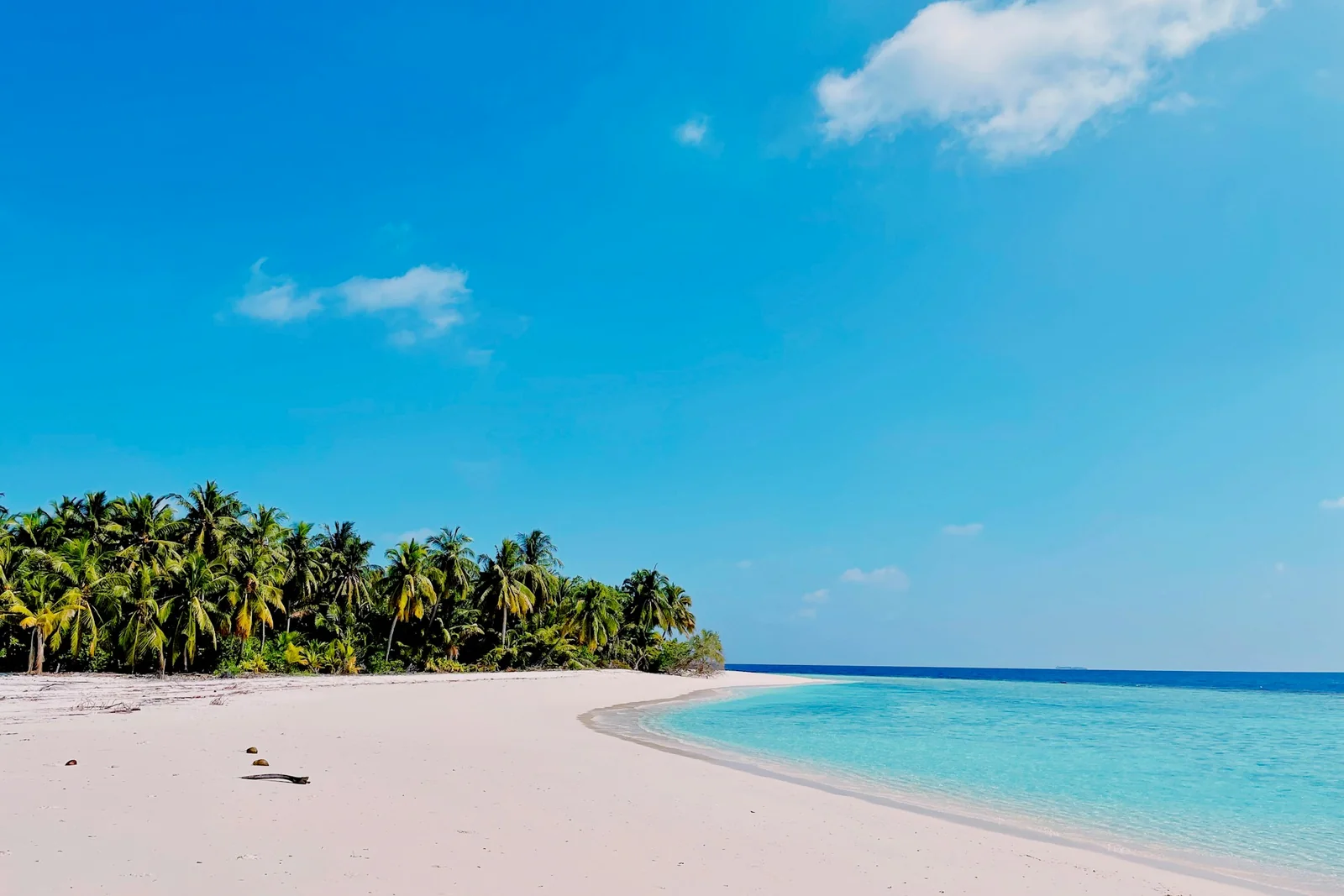
Long beaches with almost no one on them, even in peak season. Children can roam, dig, climb and explore without dodging traffic or vendors every five metres. -
Nature as the main “activity”
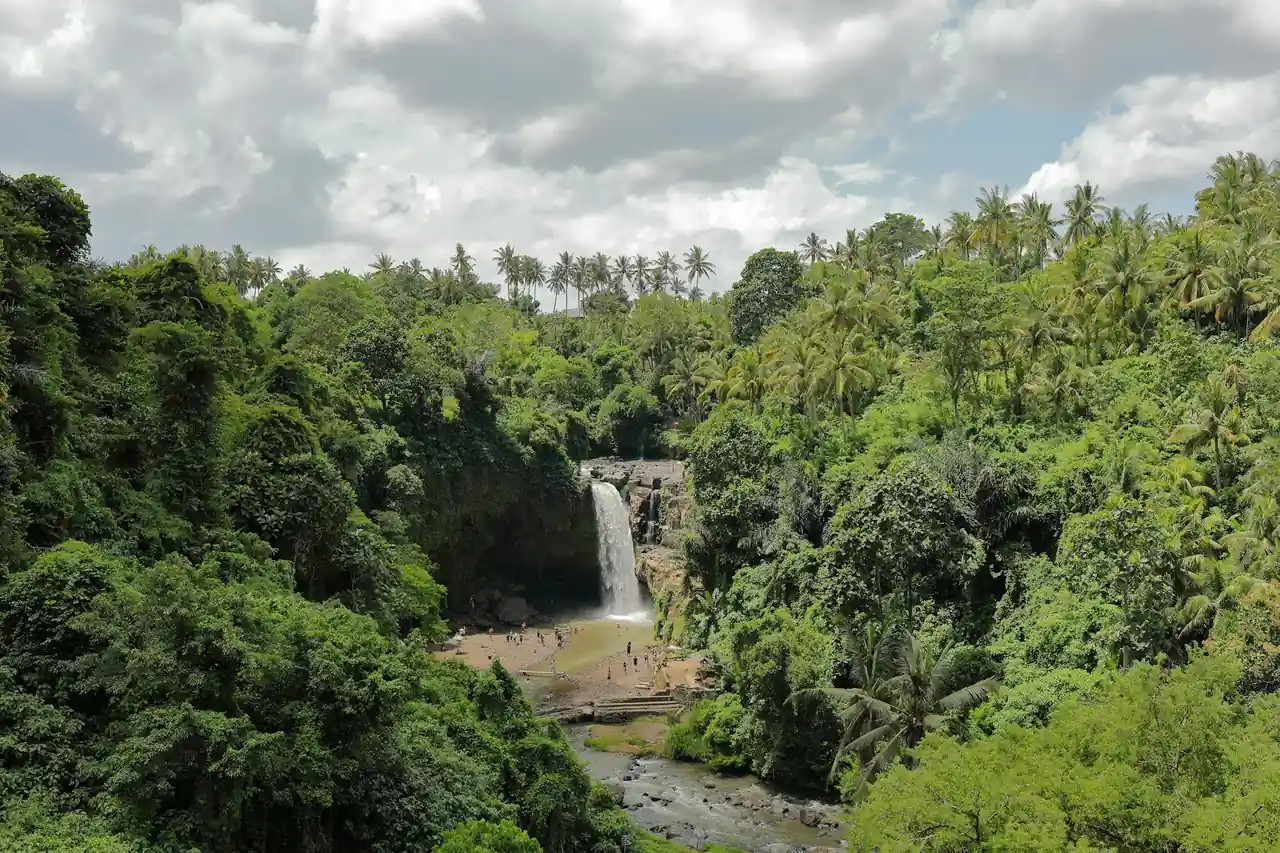
Calm-bay snorkelling, reef flats at low tide, shaded rivers, and short walks to waterfalls such as Moyo’s island falls or inland cascades around central Sumbawa (all subject to current access and local guidance). Days can be simple: swim, nap, read, repeat. -
Eco-luxury over hard luxury
The island’s upper-tier stays are mostly private villas and small eco-resorts with strong natural settings, not marble lobbies and shopping arcades. Think high-thread-count sheets, good coffee, filtered water and fans/AC, combined with open sky and a sense of remoteness. -
Surf-adjacent holidays
For surf-focused parents, Sumbawa offers world-class waves (Lakey Peak, West Sumbawa, Scar Reef, Super Suck, Yo-Yo’s). In several areas, non-surfing partners and children can still enjoy sheltered beaches, calmer inside sections, or excursions inland while one adult chases swells.
The trade-offs: remote and low-frills in parts
- Access is a journey
You typically reach Sumbawa via: - Domestic flights into Sumbawa Besar (SWQ) or Bima (BMU) from Bali or Lombok (routes and schedules change; many are not daily).
-
Overland and ferry from Lombok via Poto Tano if you already have a car and driver.
Door-to-door, most families spend most of a day travelling from Denpasar or Jakarta. -
Limited medical facilities
Sumbawa has regional hospitals and clinics, but nothing like Bali’s top private hospitals. For serious issues, evacuations may be needed to Bali or beyond. This is a key consideration for families with very young children or complex medical needs. -
Infrastructure varies
In remote bays you may find: - Patchy mobile data and Wi‑Fi
- Occasional power cuts
-
Limited menus and no supermarkets nearby
This is part of the appeal for some families, and frustrating for others. -
Activities are nature-led, not theme-parked
You will not find large water parks or curated “kids’ clubs” beyond simple craft or beach games at some properties. Entertainment is reef walks, waves, stars and reading. Families who need constant structured stimulation may find Sumbawa slow.
Who Sumbawa is best for
- Children 6+ who are confident in water and happy with loosely structured days
- Teenagers who surf, snorkel or like photography and wild places
- Parents who value quiet, eco-minded stays and are comfortable being a long way from big-city services
For toddlers and babies, Sumbawa can still work, but property choice, room layout and flight timings matter more, and we usually recommend staying closer to airports or in easier-access bays.
Where to Stay: Villas and Family-Friendly Eco-Resorts
Sumbawa is not a classic “family resort” island. Instead, the most comfortable family stays are private villas with staff, or small eco-resorts that welcome children and have enough space and shade for all-day lazing.
Below, “family resort Sumbawa” and “Sumbawa family villa” are functional ideas, not brand names; we do not fabricate operators, and we always match you with real, vetted partners based on your dates and children’s ages.
Private Sumbawa family villa stays
A Sumbawa family villa works well if you want privacy, flexible meals and your own rhythm.
Common features among the higher-end villas on the island include:
- 2–4 bedrooms with AC, often in separate pavilions around a pool
- On-site cook or chef who can adapt spice levels and portions for younger eaters
- Daily cleaning, often laundry by arrangement
- Direct beach or near-beach access
- Solar or hybrid power setups in some remote areas
- Drinking water provided; alcohol selection can be limited, but you can usually bring wine from Bali
Trade-offs:
- Some villas are fully off-grid or semi-off-grid, with reliance on generators and solar; occasional power-downs can happen.
- Staff are friendly but not formal childcare; you will supervise pool and beach time.
- Distances to medical facilities vary; we factor this into recommendations for families.
Typical by-quote ranges for premium family-friendly villas (last verified June 2026):
– Around USD 450–900 per night for a 3–4 bedroom villa, often including breakfast and staff.
Rates swing with season, location (surf-famous bays command more), and how remote or elaborate the property is. We confirm current rates and inclusions for each stay.
For more detail on villa-style stays, see our guide to Sumbawa luxury villas.
Eco-luxury resorts suitable for families
Several eco-minded lodges and small resorts on Sumbawa accept and actively welcome children, especially outside the most surf-focused peak weeks.
What a family-friendly eco-resort on Sumbawa typically offers:
- 4–20 rooms or bungalows, often spaced along a beach or a low headland
- Restaurant with a short but flexible menu, able to tone down chilli and create simpler child plates
- Shaded common spaces, hammocks, possibly a shared pool
- Snorkel gear, SUPs or kayaks for guest use
- Optional activities such as guided snorkelling, waterfall trips, village visits (usually by-quote on site)
Things to be candid about:
- Some resorts sit directly on surf breaks; swimming and kid play may be better at high tide or in adjacent coves.
- Many do not have formal kids’ clubs, playrooms or babysitting. Care is “family-style” – staff are friendly, but formal liability and structured programmes are minimal.
- Sound travels; in smaller eco-resorts, late dawns and early mornings are normal. If your children wake early, we aim for properties and room types where that will feel natural, not intrusive.
By-quote ranges for higher-end eco-luxury resorts on Sumbawa (last verified June 2026):
- USD 220–600 per night for double or family rooms/bungalows in high season
- Some offer family packages including meals and boat transfers; these are recalculated each year
We never claim exclusivity over any resort. We compare your options candidly and, if you like, connect you to a vetted operating partner to book.
Choosing between a villa and a small resort
- Privacy & space
- Villa: Complete privacy, your own schedule.
Eco-resort: Shared spaces, chance for kids to meet other families. - Meals
- Villa: Flexible, tailored menus; shopping logistics handled by staff.
Eco-resort: Set restaurant menus; easier for shorter stays, less planning. - Social energy
- Villa: Best for self-contained groups.
Eco-resort: Surfers, couples and a few families; more varied crowd. - Budget predictability
- Villa: Higher nightly rate but shared between several people; chef and staff often included.
Eco-resort: Lower base rate per room; extras (trips, drinks) can add up. - Child supervision
- At both, parents remain primary supervisors around water and in the sea. Professional childcare is limited island-wide.
Kid-Friendly Experiences in Sumbawa
Sumbawa rewards kids who like water, rocks, sand and wildlife. The best days are usually simple: a morning adventure, a slow lunch and a lazy afternoon with an early night.
Waterfalls and rivers: Moyo and beyond
For many families, Moyo Island is the highlight of a family holiday Sumbawa.
- Moyo’s waterfalls
Accessible by boat from Sumbawa Besar area, Moyo’s inland falls are usually reached via short jungle walks of around 15–45 minutes depending on the specific cascade and the route agreed with local guides. Children can: - Splash in shallow pools (depth and current change with recent rain)
- Watch birds and butterflies
- Scramble over rocks with hand-holding support
Surfaces can be slippery. For younger children we strongly recommend:
– Closed, grippy footwear
– A light carrier for toddlers
– One adult focused entirely on the child, not photography
- Mainland river days
In central Sumbawa there are low-key river stretches where families can picnic, paddle and watch local life. These are very local, with simple warungs (food stalls) rather than curated facilities. We suggest them mostly for families comfortable with a degree of improvisation.
For more on stays that combine waterfalls and sea, see our overview of Moyo Island resort options.
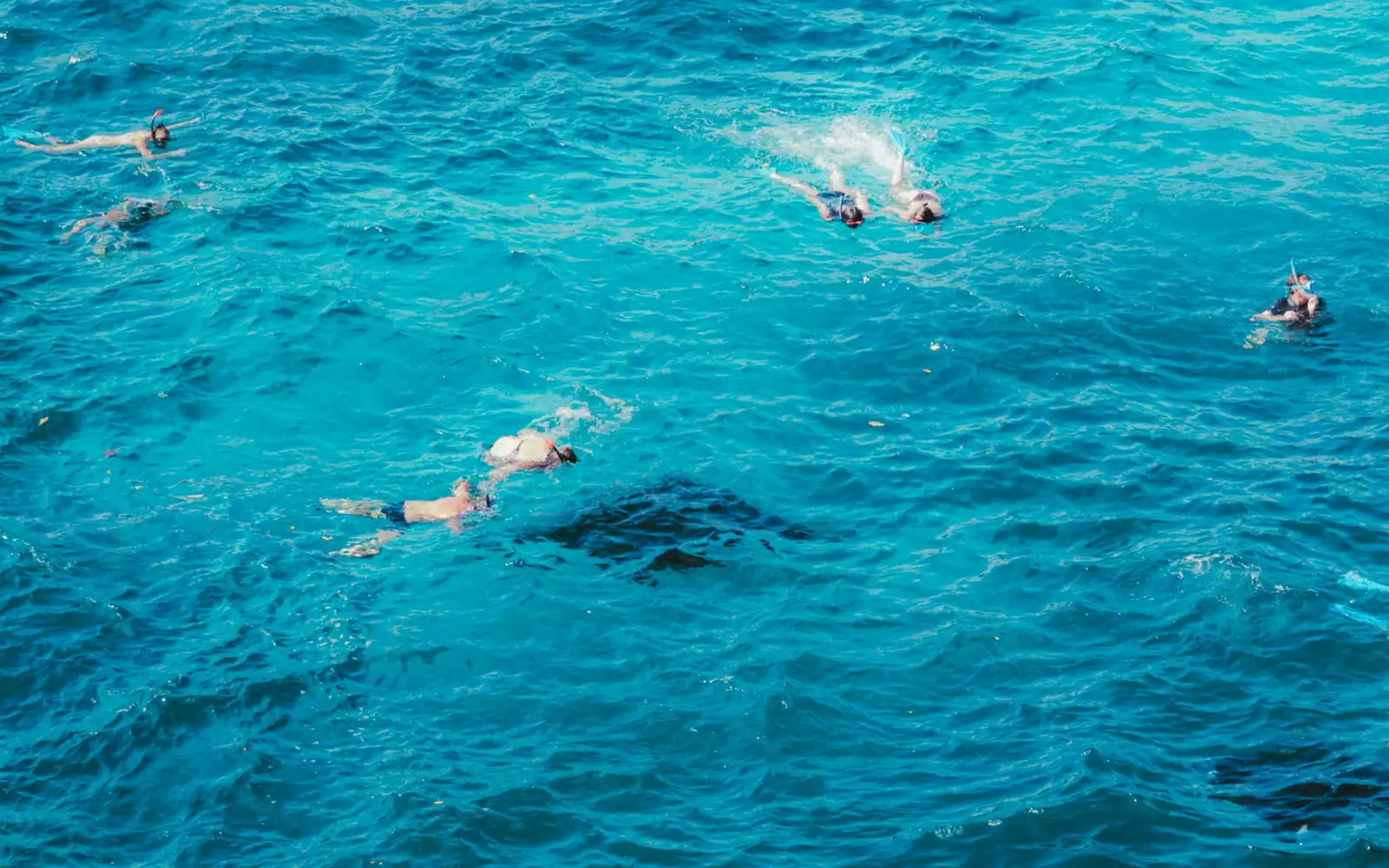
Calm-bay snorkelling and “first mask” days
The island is ringed by reefs. In the right bays, Sumbawa with kids can mean snorkelling directly off the beach in shallow, sheltered water.
- Calm bays
Several west and north-coast bays have: - Gentle shore break in dry season
- Sandy shallows before the reef edge
- Clear water on calmer days
These are ideal for:
– “First mask” experiences for children 5–8
– Floating with an adult and watching coral and fish from the surface
– Simple reef walks at very low tide (with sensitivity to coral health and marine life)
- Snorkel boat trips
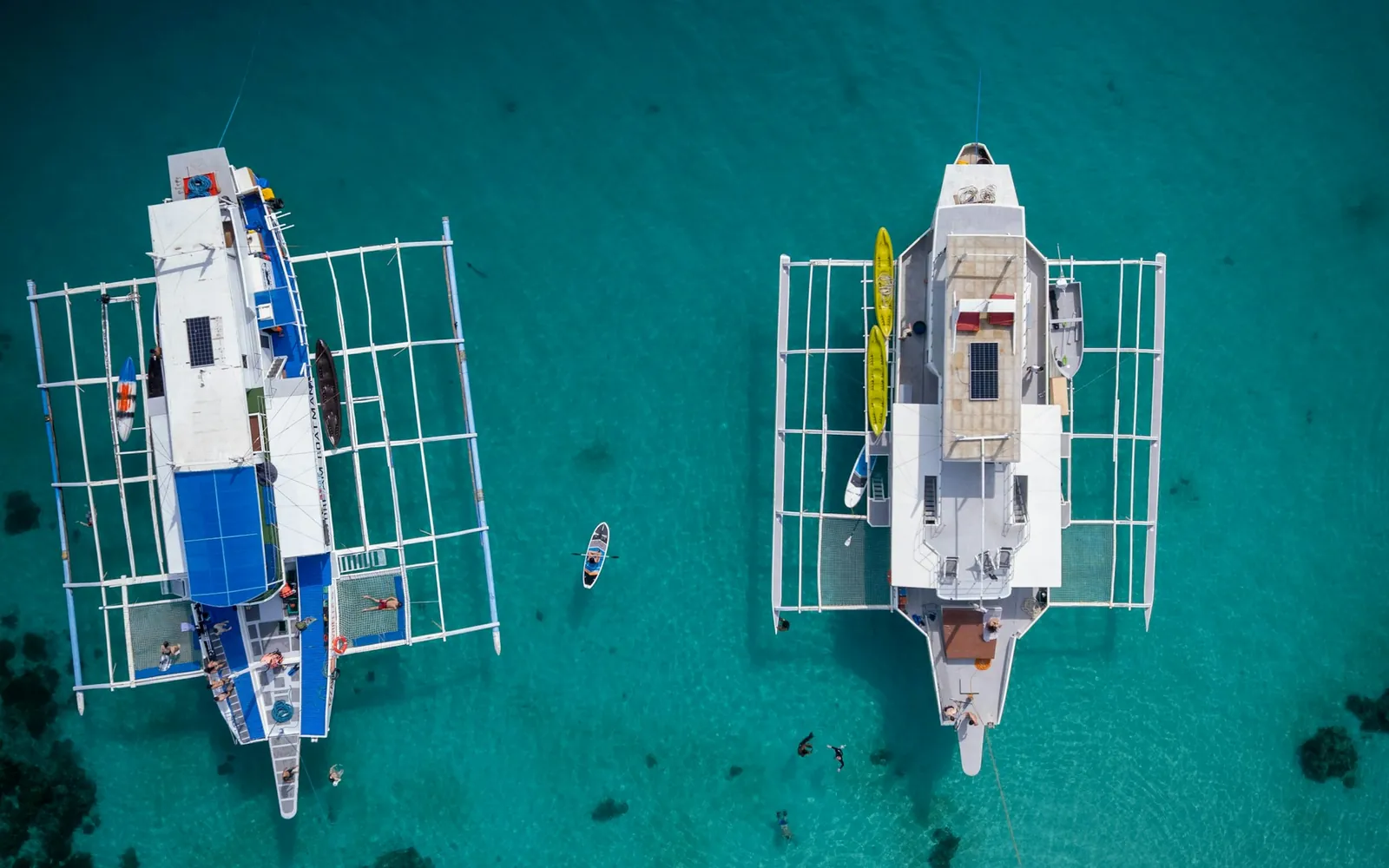
In places like Saleh Bay and around Moyo, local operators run short snorkel trips. Durations and sites vary, but a child-friendly pattern might be: - 15–30 minutes of boating
- 30–45 minutes in the water with flotation vests
- Return to shore or a shaded boat for snacks
All wildlife — turtles, rays, reef fish — is seasonal and never guaranteed. Visibility and currents change with tide and weather; we always sync your expectations with the current season and local operator advice.
Beaches, tide pools and simple play
For most children, the beach itself is enough.
- Long, quiet beaches
Many family-friendly stays sit on or near beaches where you share the sand with only a handful of people. Children can: - Build dams and sand castles
- Collect shells (while being mindful of leaving live shells and coral in place)
-
Play simple ball games at low tide
-
Tide pools
In some reef-fringed bays, very low tides reveal rock pools with small fish, crabs and urchins. Reef shoes help, and children need careful guidance on what not to touch. -
Sun and heat
Sumbawa is hot and can feel hotter than Bali because there is less built shade. Early mornings and late afternoons are best for active play. Midday is for books, naps and card games under fans.
For inspiration on quieter stretches of sand, see our dedicated piece on Sumbawa’s quiet and remote beaches.
Saleh Bay, Whale Sharks and Age Considerations
Saleh Bay, in north-central Sumbawa, is known for whale shark encounters from local platforms. It can be a memorable experience, but it is not automatically suitable for every child.
How Saleh Bay trips typically work
Patterns change with regulation and local practice, but family-oriented excursions often include:
- Early start from a coastal town or lodge
- Boat transfer of 30–90 minutes depending on where you sleep
- Time around fishing platforms where whale sharks sometimes feed
- Entry into the water by ladder or gentle jump, usually with life jackets available
Conditions that families should weigh:
- Open sea environment – No enclosed pool or net; children must be comfortable floating in deep water with adult supervision.
- Boat time – Younger kids may struggle with early departures, heat and engine noise.
- Wildlife uncertainty – Some days offer many sightings and long in-water periods; other days, whale sharks may be fleeting or absent. No operator can guarantee them.
Suggested minimum ages and comfort levels
We do not set hard rules, but patterns from family trips we’ve supported:
-
Under 6
Usually better to skip in-water encounters. A short boat ride to watch from deck, or waiting at shore with one adult, may be more comfortable. -
6–9
Possible if: - The child is strong in water with a life jacket
- They understand not to touch animals
-
Seas are calm and wind is low on the chosen day
-
10+
Typically the sweet spot; they can manage mask and snorkel, listen to briefings, and remember the experience vividly.
We always discuss Saleh Bay in detail during planning, including seasonal patterns, boat options (simple local boats vs more comfortable setups) and your children’s previous ocean experience.
Logistics and Safety for Sumbawa Family Travel
Sumbawa family travel is smoother with clear expectations on transit, health, and day-to-day safety.
Getting there: flights and ferries
Typical ways in and out:
- By air
- Sumbawa Besar (SWQ) – Serves western and central areas; useful for Moyo access.
- Bima (BMU) – Serves central/eastern Sumbawa and surf areas further east.
Domestic routes often connect via Bali (DPS), Lombok (LOP) or other regional hubs. Schedules change frequently; some routes go seasonal or shift days of operation with little notice. We always reconfirm closer to your travel dates.
- By ferry and road
- Public ferries run between Lombok (Kayangan) and Sumbawa (Poto Tano) across the Alas Strait.
- Crossing time is usually 1.5–2 hours, plus loading and unloading buffers.
- From Poto Tano, your overland time depends very much on your final bay.
For families, a private car and driver from Lombok across on the ferry can work well if you like flexible stops and your children are good in cars. For younger kids or limited patience, flights shorten the day.
Seasonality and sea conditions
While microclimates differ, a few broad patterns:
- Dry season (roughly May–September)
- More consistent surf on the south and west coasts
- Generally calmer seas and better visibility on leeward sides of the island
-
Less rain on most days, but still occasional showers and windy spells
-
Shoulder and wetter months (roughly October–April)
- More rain and humidity
- Rivers and waterfalls can be fuller, sometimes making access trickier
- Some dirt tracks to remote properties may become challenging after heavy rain; operators will advise.
For a month-by-month perspective, see our analysis of the best time to visit Sumbawa.
We never guarantee specific weather or sea states. Even in typical dry months, wind and swell can vary week to week.
Health and medical considerations
Reality check for families:
- Medical facilities
- Sumbawa towns have clinics and regional hospitals for routine issues and basic emergencies.
-
For serious conditions, medical evacuation to Bali or further is often recommended.
-
Travel insurance
We strongly advise comprehensive insurance that covers: - Domestic medical care
- Emergency evacuation
-
Adventure sports such as surfing, freediving and snorkelling (if relevant)
-
Food and water
- Higher-end villas and eco-resorts use filtered or bottled water for drinking and ice.
- Simple warungs may not. We help you frame age-appropriate choices for where to eat.
-
Upset stomachs are possible; we advise packing the usual medications and rehydration options.
-
Mosquitoes and sun
- Sumbawa is tropical. Mosquito exposure varies by location and season but is never zero.
- Long sleeves at dusk, repellent and room nets/coils (where provided) remain the baseline.
- UV is intense year-round; rash guards, hats and shaded play spaces matter.
General safety: sea, surf and roads
- Sea and surf safety
- Many family-suitable bays have calm, sandy entries, but rip currents and sudden depth changes can exist.
- Surf breaks like Lakey Peak, Super Suck or Scar Reef are expert-level; children usually stay in shore pools or sheltered stretches, not in the lineup.
-
Life jackets for boat trips are normal but the fit and condition can vary; we prompt you to check on arrival or bring child-sized vests if you are particular.
-
Roads and vehicles
- Main roads connect towns; some are potholed or narrow.
- Local driving norms differ from Western standards.
-
We recommend private drivers over self-driving for visiting families.
-
Cultural considerations
- Sumbawa is predominantly Muslim, with conservative norms in villages.
- Swimwear at resorts and beaches is fine; more modest dress is respectful in towns and inland villages.
How We Tailor a Family Trip (and What We Don’t Do)
Sumbawa Luxury is an independent eco-luxury and surf concierge guide, not a tour operator. We curate, compare and decode; vetted local partners operate.
Our role: guide, filter, connector
For Sumbawa family travel, our work typically looks like this:
-
Understanding your family
Ages, sleep habits, food preferences, swim and surf ability, tolerance for long travel days, interest in wildlife vs pure beach time. -
Recommending regions and stay types
We explain trade-offs between:
– West vs central vs east Sumbawa
– Mainland vs Moyo
– Villa vs eco-resort
– Surf-front vs calm-bay locations -
Laying out logistics clearly
Flight vs ferry options, realistic transfer times, boat access, seasonal pros and cons, potential weather or sea constraints for your chosen month. -
By-quote price ranges
We share price ranges for suitable properties and experiences (last verified June 2026), with clear notes on what is and is not included. -
Connecting you to operators
When you are ready, we connect you to a vetted operating partner who:
– Holds your payments
– Confirms final rates and availability
– Handles on-the-ground logistics and is your 24/7 contact during the trip
We stay available as a neutral sounding board.
Our funding model is simple: no one can pay to change what we publish; if you proceed with our partner they may pay us a referral fee at no extra cost to you.
What is usually included (and what isn’t)
Because Sumbawa trips are mostly custom-quoted, inclusions vary. A typical eco-luxury family itinerary might include:
- Accommodation in a villa or eco-resort
- Daily breakfast; sometimes full-board in remote locations
- Shared or private transfers between airport and resort
- Some guided activities (for example, one waterfall day or snorkel excursion)
Often not included unless specifically arranged:
- Domestic flights to/from Sumbawa
- Alcoholic drinks
- Additional boat trips and surf guiding
- Specialist childcare or nannies
- Comprehensive travel insurance
We detail this before you commit to anything. For a broader overview, see our guide on what is usually included in a Sumbawa stay.
Planning with us
If this balanced mix of adventure and calm sounds right for your family, we can help structure it.
Use our contact page to plan your trip and mention your children’s ages and rough dates. We are also happy to shift early questions onto WhatsApp for faster back-and-forth about routes, villa layouts, baby cots, school-holiday timing and surf windows.
Is Sumbawa Right for Your Family?
Sumbawa is not for everyone. It suits families who:
- Prefer quiet to nightlife
- Don’t mind sometimes-bumpy logistics if the reward is space and wild nature
- Are comfortable supervising their own children around water
- Value eco-luxury — comfort and care with a light footprint — over showy amenities
If that sounds like you, a family holiday Sumbawa style can become the trip your children remember into adulthood: long beaches, starry nights, slow meals, and the first time they saw a reef fish in clear, warm water.
To explore how that could look for your specific dates and ages, you can plan your trip with us and, if useful, continue the conversation via WhatsApp for detailed, real-time planning.
Is Sumbawa too remote for young kids?
Not necessarily, but it depends on your comfort level. Travel days are longer than to Bali, medical facilities are simpler, and amenities are limited in remote bays. For children under 6, we usually recommend easier-access areas, modest transfer times, and properties with good shade, flexible meals and quick exit routes back toward airports or towns.
Are there true “family resorts” in Sumbawa?
If by “family resort” you mean large complexes with kids’ clubs, multiple pools and extensive facilities, Sumbawa has very few. Most family-suitable options are smaller eco-resorts and private villas that welcome children and work well for families who like nature-based days and don’t need organised entertainment.
Is Sumbawa safe for family swimming and snorkelling?
In select calm bays with sandy entries, yes, with supervision. Many other areas are surf-focused with stronger waves and currents that are not suitable for young swimmers. With good local guidance and tide awareness, families can enjoy very gentle snorkelling and shoreline play, but children must always be watched in and near the water.
How expensive is a Sumbawa family villa or eco-resort stay?
For upper-tier options, recent by-quote ranges (last verified June 2026) are roughly USD 450–900 per night for a 3–4 bedroom villa with staff, and USD 220–600 per night for rooms or bungalows in eco-luxury resorts. Exact costs depend on season, location, group size and whether meals and transfers are bundled.
Do we need a car to explore Sumbawa with kids?
For most families, no. Many eco-resorts and villas arrange local transfers and day trips with trusted drivers or boats, so you can avoid self-driving. If you want to roam widely and your children travel well by car, a private driver can be arranged for multi-stop days, but it is not essential for a relaxed base-style holiday.