
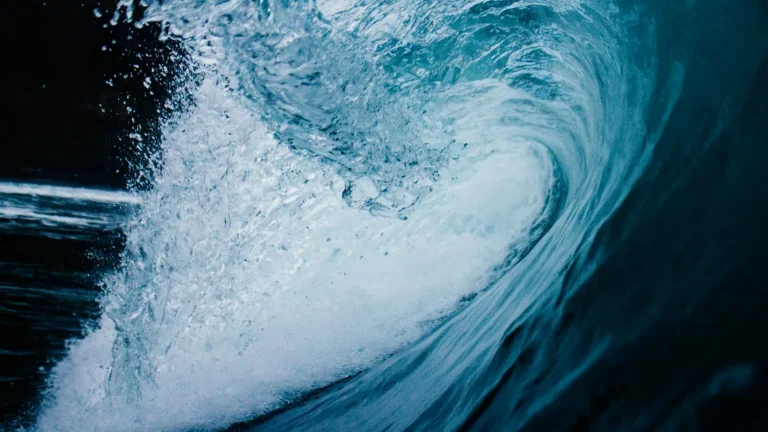
Supersuck Sumbawa: Surf Guide To West Sumbawa’s Wall
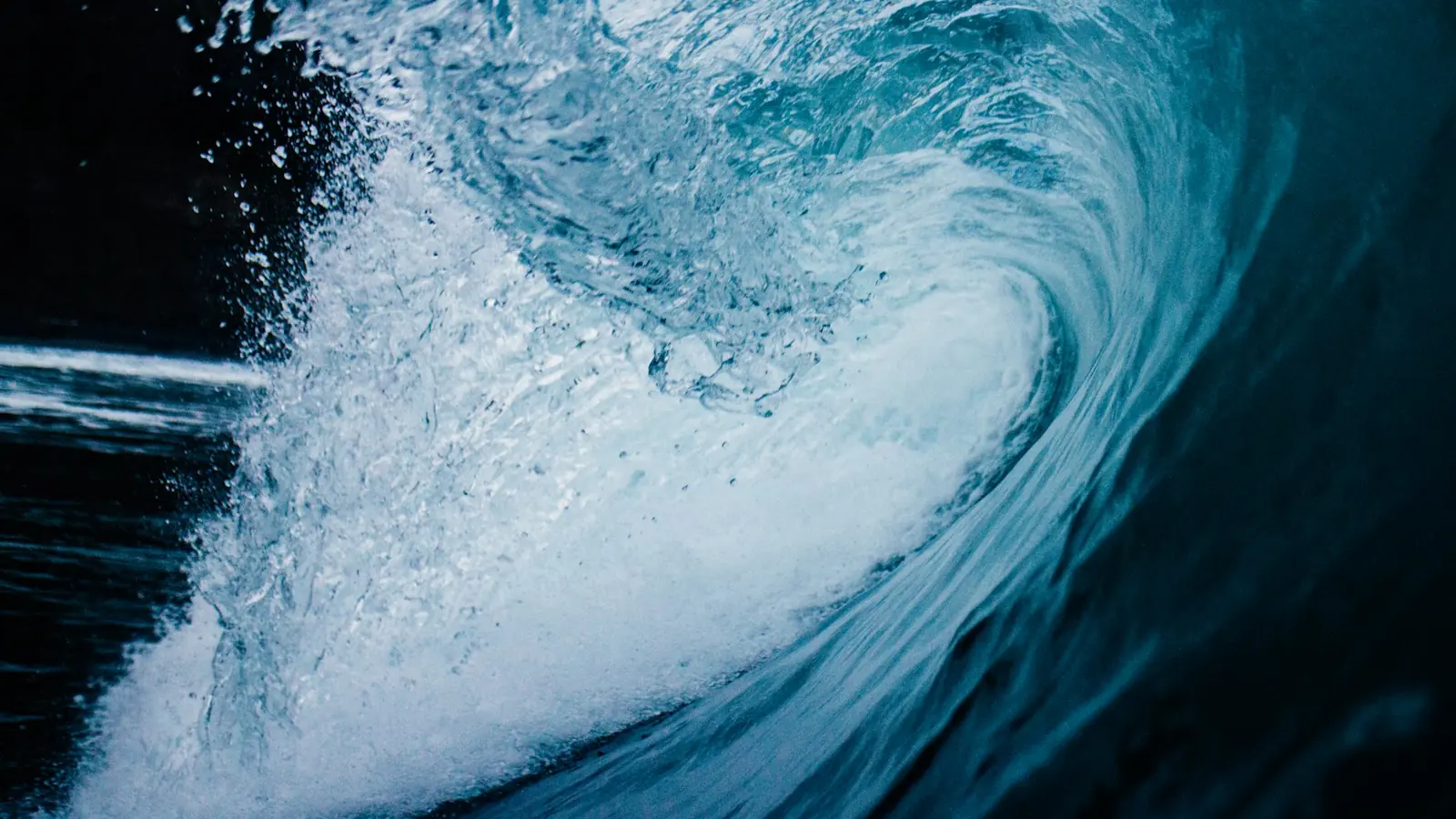
This supersuck sumbawa surf guide is for experienced surfers chasing one thing: a fast, hollow, sometimes‑perfect left draining down a shallow reef on West Sumbawa’s Maluk–Sekongkang stretch. Supersuck is world‑class when it turns on, but it is fickle, tide‑sensitive and unforgiving; this page breaks down how it really works, how it compares to nearby waves, and where to base yourself to give it a proper shot.
What Is Supersuck, Exactly?
Supersuck is a mechanically peeling, hollow left‑hand reef break on the West Sumbawa coast, across the channel from Maluk and roughly opposite the larger mining area on the peninsula. It is a freight‑train wall running along a very sharp, very shallow reef ledge, famous among heavy‑water surfers for long barrels and famously long hold‑downs when it clamps.
You’re not coming here for an easy warm‑up wave. On its day, Supersuck serves up multiple sections of draining tubes, over dry‑looking coral, with almost no margin for error. At other times it’s fat, warbly or completely flat. That volatility is part of its appeal: this is a place you commit to, then wait for the ocean and tide to line up.
Wave personality
Supersuck is a classic West Sumbawa reef: defined take‑off spot, defined channel, defined consequences. The take‑off is usually on a wedge that stands up as swell wraps the headland. From there, the line is simple—set your rail and go—but managing speed and positioning is everything. Too high and you get guillotined by the lip; drop too low and the wave runs off without you.
Think less “playful performance left” and more “barrel hunt with serious coral tax built in.” Many people compare its feel to heavier Nias days, but with a straighter wall and a little less wrap, or to some of the more serious sections you find in the Mentawai chain—just with fewer boats in the channel.
Fickle but rewarding
Supersuck does not break every day. It needs the right swell angle, enough size, and the right tide window to offer continuous barrels. When those factors miss, it either won’t break properly or will be a patchy mix of shut‑downs and burger sections. The payoff is that even in the prime months you can still see only a couple of peak days each week, and crowds remain comparatively light for a wave of this quality.
Where Supersuck Sits on the West Sumbawa Coast
Geographically, Supersuck lives in the core of the West Sumbawa surf zone—a coastline centred around the Maluk and Sekongkang areas. This section of coast faces broadly southwest into the Indian Ocean, with headlands and points that bend and focus swell onto a series of reefs.
Maluk, Sekongkang and the bay
Supersuck itself breaks on the south side of the wide bay fronting the Maluk area, across from the main township and close to a small headland. Sekongkang lies further south again, near other marquee waves like YoYos. The drive from Maluk to Sekongkang is typically 20–30 minutes depending on the exact road and your accommodation.
You reach West Sumbawa either by flying into Lombok and combining a road transfer plus ferry, or by overland routes from Sumbawa Besar. From South Bali to Maluk, most travellers spend the better part of a day in transit once you include land transfers, ferry wait times and breaks. That remoteness is one of the reasons Supersuck remains relatively uncrowded compared with famous Balinese reefs.
Access to the break
Actual access to the Supersuck line‑up is usually by small boat from the Maluk side of the bay, or from closer‑in accommodations if you’re staying near the headland. Paddling from shore is theoretically possible on some tides for very strong paddlers, but is not the standard way people approach the break because of distance, currents and the reef configuration.
Most surf‑focused accommodations in the Maluk–Sekongkang corridor can arrange daily or on‑demand boat drops to Supersuck when it’s on. Expect additional cost for boats beyond your room rate—typically modest on a per‑session basis, last verified June 2026. Exact logistics and pricing depend on who you stay with; we can help you decode that picture for your specific dates via plan your trip or WhatsApp (+62 811 3941 4563).
Who Supersuck Suits (And Who It Doesn’t)
Supersuck is not a wave for everyone. It’s not even a wave for all intermediates. It’s a wave for confident, reef‑comfortable surfers with a real barrel habit who accept that heavy wipeouts are part of the deal.
Recommended experience level
- Beginners
- Supersuck is not suitable. The reef is shallow and sharp, the lip is heavy, and currents plus shifting sections leave no room for panic paddling. Learn elsewhere.
- Lower intermediates
- Generally not recommended. Even confident intermediates who surf beachbreaks comfortably tend to get punished here. If you’re still working on basic reef awareness, Supersuck is not the classroom.
- Upper intermediates
- Possible, with caveats. You should be very comfortable on reef, have a solid, late take‑off, and be experienced in pulling in on fast down‑the‑line barrels. Even then, pick smaller, friendlier days and watch the pack carefully before paddling out.
- Advanced / expert
- Target audience. If you have experience at waves like Padang Padang, G‑Land, Desert Point, heavy Nias or similar, Supersuck will make immediate sense to you. You will still fall; you will learn its moods; but you will also likely find some of the best barrels of your trip.
Board choice and safety
Most surfers ride their standard shortboard or step‑up here. The wave has plenty of push, and you want enough rail line to bark through long sections without chattering. Bring something you trust on your backhand if you’re natural‑footed; goofy‑footers will find the stance more intuitive but still need a board that holds high in the face.
Essential kit:
- Reef‑safe booties if you’re not used to sharp coral—especially for getting on and off the boat and handling low‑tide situations.
- A helmet is not overkill here, particularly on lower tides or larger days.
- Strong, reliable leashes (and spares). Snap a leash at the wrong tide and you’re in for a long, unpleasant swim over reef.
- Minimal valuables in the boat; dry bag if you must bring anything.
There is usually a defined channel, but sets can swing wide. As with all heavy Indonesian reefs, a basic level of situational awareness—where the dry reef is, where the inside suck‑up is, how the current is running—is on you. There is no full‑time lifeguard presence here.
How swell and tide change the crowd
On the best days, Supersuck pulls in capable surfers staying anywhere from Maluk to Sekongkang. Even then, you’re often looking at a couple of handfuls of surfers in the line‑up, not fifty. On marginal days, it can be just you and a few others trading imperfect but still powerful tubes. Flat days, everyone disperses to other nearby breaks like YoYos, Scar Reef or more forgiving options in the area.
How Supersuck Compares to Other West Sumbawa Surf Spots
Supersuck doesn’t exist in isolation. West Sumbawa’s surf spine includes a cluster of world‑class and mid‑tier breaks within a relatively short drive. That’s one of the main reasons advanced surfers base themselves in this zone for a week or more: you’re effectively rolling the dice on several reefs, not just one.
Supersuck vs Scar Reef vs YoYos
Within close reach, the benchmark trio is Supersuck, Scar Reef and YoYos. All three can be world‑class in their own way, but they offer very different personalities.
| Wave | Type | Skill Level | Best Swell | Feel in the Water |
|---|---|---|---|---|
| Supersuck | Left‑hand reef | Advanced+ | Solid S–SW; tide‑critical | Fast, hollow, technical, long barrels, serious consequences |
| Scar Reef | Left‑hand reef | Upper‑intermediate to expert | Medium to solid S–SW | Powerful, sometimes slabby sections; variety of barrels and turns |
| YoYos (The Wedge / The Hook) | Right‑hand reef | Intermediate to advanced | Handles a wide range; SW swells common | More forgiving than Supersuck; options for turns and smaller barrels |
Compared with Scar Reef, Supersuck is often a touch more mechanical and more tide‑sensitive. Scar offers different moods—big heavy walls and inside bowl sections—that can be friendlier at certain tides. YoYos, meanwhile, is the winter workhorse: a reliable right with options for a range of abilities and a much higher “surfable days per month” score than Supersuck.
Choosing where to surf on a given day comes down to swell size and direction, wind, and how much risk you actually feel like taking. Our dedicated comparison page, Scar Reef vs Supersuck, breaks down the nuances if you’re actively juggling those two reefs in your plan.
Supersuck vs more mellow West Sumbawa options
Not every day has to be a hero day. The broader West Sumbawa strip, covered in our West Sumbawa surf guide, also features mellower points and reefs that turn on smaller swells and higher tides. If your group includes mixed abilities, Supersuck may be the headline act for the chargers, while others find their rhythm at more forgiving waves along the same coast.
Best Season to Score Supersuck
Supersuck is a classic dry‑season play for the Indian Ocean.
Main surf season (roughly May–September)
From late April through September, the Southern Hemisphere pushes a procession of swells up the Indonesian window. For Supersuck, the core months tend to be June, July and August, when consistent S–SW groundswell and relatively stable trade winds combine to produce the highest odds of those long, lined‑up walls you’ve seen in photographs and clips.
- Swells: Waist‑high days are not what you’re here for. Supersuck usually needs a solid pulse to wake up—think head‑high and above on deep‑water buoys, with more size generally translating to better shape (up to a point).
- Winds: Dry‑season trades tend to favour the break in the mornings, with increasing cross‑ or onshore breezes in the afternoons. Dawn patrols are worth it.
- Crowds: This is also peak travel season, but West Sumbawa remains dramatically quieter than Bali or Lombok’s most famous setups. You will share the line‑up, but not with an armada.
Shoulder and wet season (roughly October–April)
Supersuck can fire outside peak months, but probability drops. Wet‑season patterns bring more variable winds and less frequent long‑period S–SW swell. When the right systems line up, you can score with very few people around—this is higher risk, potentially high reward.
- October–November: Shoulder season. Still possible to nab windows, especially early, but expect more lay days and more time spent at other West Sumbawa breaks.
- December–March: Generally lower odds for Supersuck, though some years see odd cyclone‑related events or off‑season pulses. Factor in heavier rains, humidity and more wind variability.
- April: Transition month. Some years feel like the start of the run; others are still wet and unsettled.
We are straightforward with would‑be visitors: if Supersuck is non‑negotiable on your wish list and you want the best statistical chance, time your trip for the heart of the dry season and plan to stay at least a week. For help matching dates to your risk tolerance and backup‑wave preferences, you can plan your trip with us or drop a quick message on WhatsApp at +62 811 3941 4563.
Tide and Supersuck’s mood swings
Tide might be the most important ingredient beyond swell and wind. Supersuck is very tide‑sensitive; the best sessions often happen in a relatively narrow band—commonly on the dropping or mid tides depending on swell and sand. On very low water the reef gets intimidatingly shallow and sketchy, especially on bigger days. High tides can make it fat and misshapen.
Local operators and long‑time visitors pay close attention to tide charts and recent sessions to judge when to boat out. On a solid swell with two good tides per day, that might mean one or two realistic windows. On some days, the call is to skip Supersuck entirely and surf a more tide‑tolerant spot like YoYos.
Maluk vs Sekongkang: Where to Base Yourself for Supersuck
You’ll hear two place names over and over in conversations about Supersuck and West Sumbawa surf: Maluk and Sekongkang. Each offers a different balance of convenience, access and atmosphere.
Staying in Maluk
Why base in Maluk for Supersuck:
- Closest general hub to the Supersuck channel; boat access is straightforward.
- More local services: small shops, basic eateries, supplies, and the mining‑related township environment.
- Day‑trip distance to both Supersuck and Scar Reef, with YoYos slightly further but still reachable.
Trade‑offs:
- More industrial feel due to the nearby mining operations; this is not an “untouched beach village” aesthetic.
- Some accommodations are more functional than indulgent; eco‑luxury options are limited but growing.
- You’ll likely drive further for other waves compared to a Sekongkang base.
Staying in Sekongkang
Why base in Sekongkang for a wider wave menu:
- Closer to YoYos and several other West Sumbawa surf spots, making it ideal if you want daily options beyond Supersuck.
- A more low‑key, surf‑retreat feel in many parts of the area.
- Easy to day‑trip to Maluk and Supersuck when the charts line up.
Trade‑offs:
- You’ll travel a bit further by land or boat to reach Supersuck specifically.
- Fewer general township services than Maluk; think more “surfer village” than “regional centre.”
Neither choice is “right” in the abstract. It depends how heavily your trip revolves around Supersuck vs the broader wave map. If your mission is almost singular—Supersuck above all—Maluk makes sense. If you want Supersuck sessions when it’s on but also want the higher daily reliability of maluk surf and Sekongkang’s right‑handers, staying in the Sekongkang area can be smarter.
For a deeper breakdown of lifestyle, access and vibe, our comparison guide Sekongkang vs Maluk, Sumbawa is a good next step.
Style and price range of stays
West Sumbawa’s accommodation spectrum runs from simple surfer homestays through mid‑range surf camps to higher‑comfort villas and eco‑leaning retreats. You won’t find a global five‑star brand here yet; what you will find are a handful of well‑run, surf‑savvy operations that understand tides, boats, and dawn starts.
Indicative nightly rates per person (last verified June 2026):
- Budget homestay / basic room: typically from the low double digits (USD) per night, sometimes including simple breakfast.
- Mid‑range surf lodges / small resorts: roughly mid double digits to low triple digits (USD) per night, depending on room type and whether meals/boats are bundled.
- Higher‑end villas / eco‑luxury stays: from high double digits into low‑to‑mid triple digits (USD) per night per room, sometimes with private chef or dedicated surf guiding options.
Because operators adjust prices by season, group size and inclusions, we don’t publish fixed tariffs. Instead, we maintain updated ranges and work by quote. Our role at Sumbawa Luxury is to curate and compare stays that honestly suit your group’s surf goals and comfort expectations, then connect you to a vetted operating partner to book. We don’t own or run the properties; no one can pay to change what we publish. If you proceed with our partner they may pay us a referral fee at no extra cost to you.
Logistics: Getting Yourself Into Supersuck
Getting here is part of the adventure, but it’s also where reliable information matters. The broad strokes below are based on current, commonly used routes; local circumstances and schedules can change, so we always recommend confirming details for your specific dates.
Typical access routes
- Via Lombok: Fly into Lombok International Airport, then travel overland across Lombok’s southwest to the ferry port, cross to Sumbawa, and continue by road to Maluk or Sekongkang. Total journey from the airport to West Sumbawa is usually measured in multiple hours, not minutes, and commonly takes most of a day door‑to‑door from Bali or Jakarta.
- Via Sumbawa Besar: An alternative for some travellers is to route through Sumbawa Besar and then head overland. This can make sense depending on your wider itinerary around the island chain.
From your base in Maluk or Sekongkang, daily surf transfers are either by 4×4 along the coast (for certain waves) or by small boat from strategic launch points. For Supersuck, boat access is the norm.
How long to stay for Supersuck
Because Supersuck is both swell‑ and tide‑sensitive, a hit‑and‑run three‑day visit is always going to be a gamble. For advanced surfers with Supersuck high on the list, we generally suggest:
- Minimum: 5–7 full surf days in West Sumbawa to have a realistic chance at at least one good Supersuck window, with plenty of backup sessions at other breaks.
- Ideal: 10–14 days if your schedule allows, giving a solid spread of swell events and tide combinations.
That doesn’t guarantee anything—the ocean doesn’t read your flight confirmation—but it does stack the odds more sensibly.
How Sumbawa Luxury Helps You Surf Supersuck, Honestly
Sumbawa Luxury is an independent eco‑luxury and surf concierge guide, not a tour operator. We don’t pretend to own the line‑ups or the properties here, and we don’t badge every basic camp as a “secret luxury resort.” Our job is to cut through brochure speak and help you understand:
- How often Supersuck is realistically likely to be on during your travel window.
- Which stays make practical sense for your budget, comfort preferences and surf ability.
- What the real‑world logistics look like for you: transfers, boats, meals, non‑surf activities and group dynamics.
- Where the trade‑offs lie—because there are always trade‑offs, especially in remote surf zones.
We then connect you with a vetted local operating partner to secure the actual booking. They handle your payments, on‑ground execution and day‑to‑day care; we stay in the background as an honest reference point before you commit.
If you’re starting to sketch out a Supersuck‑focused trip—or trying to balance Supersuck with other West Sumbawa goals—you can plan your trip with us in a few lines. Or message us directly on WhatsApp at +62 811 3941 4563 or via email at [email protected] for a more detailed back‑and‑forth.
Supersuck Sumbawa Surf Guide FAQs
Is Supersuck suitable for intermediate surfers?
Supersuck is generally considered an advanced to expert wave. Confident upper intermediates with strong reef experience and proven barrel skills may find manageable days, but the reef is shallow, the wave is fast, and wipeouts can be serious. If you’re still building basic confidence on reefs, focus on more forgiving West Sumbawa waves first.
How crowded does Supersuck get?
For a wave of its quality, Supersuck is relatively uncrowded. On the best swells in peak season you can expect a moderate, experienced crew in the line‑up, but not the dense packs found at Bali’s most famous spots. On marginal or off‑season days you may share it with only a few others or even surf it almost alone. Crowds are always variable and never guaranteed.
Can non‑surfers enjoy staying near Supersuck?
Yes, with the right expectations. Maluk and Sekongkang are quiet coastal areas with beaches, basic local food options and a slower pace of life, but they lack the restaurant and shopping density of Bali. Non‑surfers who appreciate simple coastal landscapes, reading, swimming on appropriate tides and joining boat rides will be comfortable; those wanting nightlife or urban comforts will find it too quiet.
What kind of board should I bring for Supersuck?
Most surfers ride a trust‑worthy everyday shortboard or a slight step‑up with enough length and rail to handle steep drops and long, fast walls. Goofy‑footers often feel at home on their standard quiver; natural‑footers may want a board they particularly trust on their backhand. Bring at least one backup board and spare leashes—board and gear breakages are not uncommon.
How many days should I stay in West Sumbawa to have a good chance at surfing Supersuck?
Because Supersuck is fickle and tide‑sensitive, plan for at least 5–7 full surf days in West Sumbawa, and ideally 10–14. That gives you multiple swell and tide combinations to work with, plus plenty of time to enjoy Scar Reef, YoYos and other nearby breaks on days Supersuck is not cooperating.
Keep Reading
Uncategorized
Moyo Island Resort Price: What Affects The Cost
Clear guide to moyo island resort price: what drives costs, logistics, seasons and inclusions, plus how to get an accurate…
Uncategorized
Sumbawa For Beginner Surfers: An Honest Guide
Honest sumbawa beginner surf guide: reef reality, mellow options, best bases, seasons and safety tips for learning to surf Sumbawa…
Uncategorized
Is Sumbawa Worth Visiting? An Honest Traveller’s Take
Is Sumbawa worth visiting? An honest guide to who will love this wild Indonesian island, who won’t, and how to…