Sumbawa Wild Honey: Forest Harvest & Culture
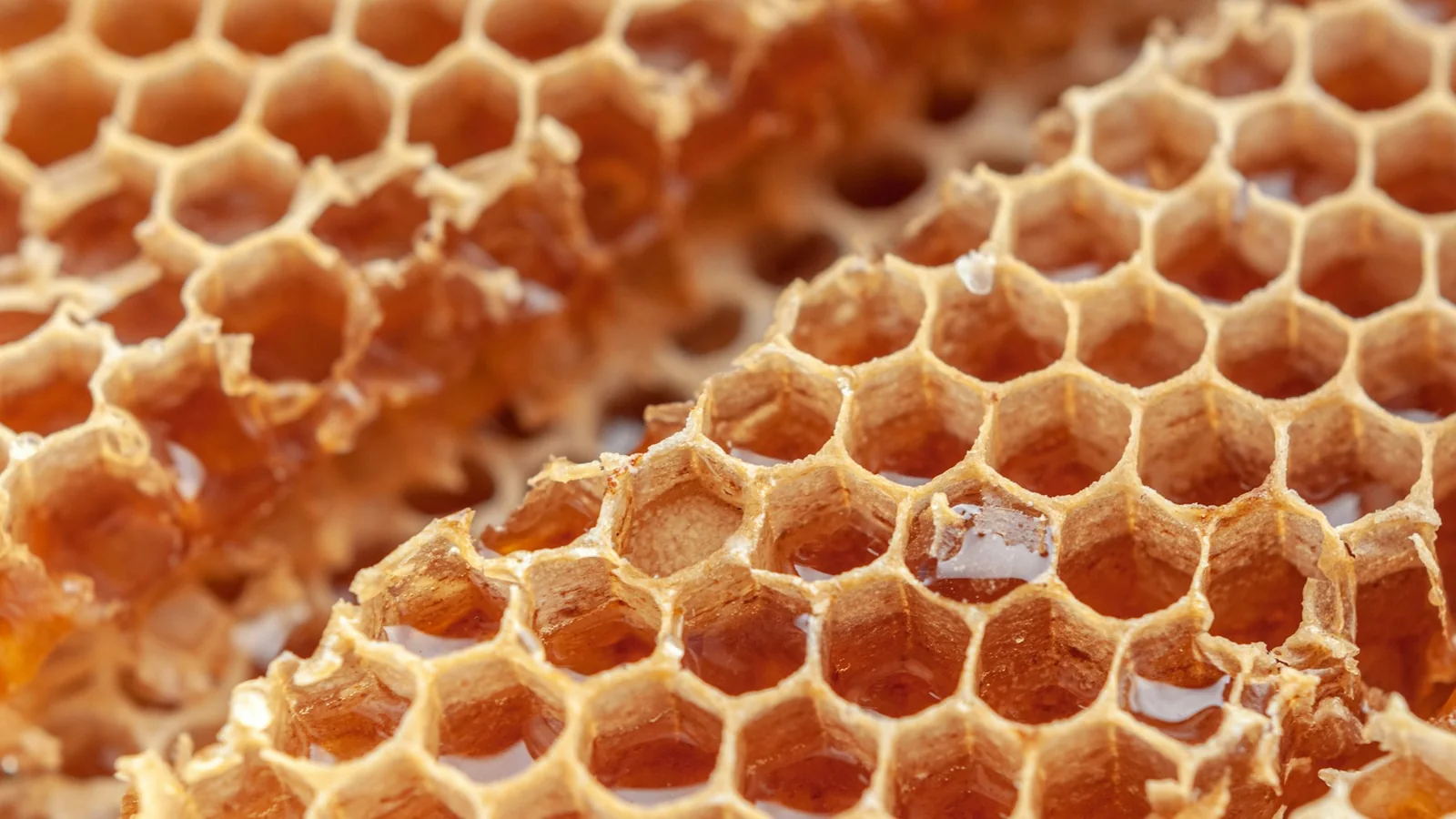
Sumbawa wild honey culture is a living tradition that blends forest ecology, seasonal harvest and local identity on this dry, savanna island in central Indonesia. More than a souvenir, Sumbawa wild honey — madu Sumbawa — is a window into an older rhythm of life that still shapes how people relate to land, forest and each other.
What is Sumbawa wild honey?
Sumbawa wild honey is raw, unprocessed forest honey collected from wild bee colonies in the island’s remaining dry forests and scrublands. It is not a plantation or boxed-hive product: bees choose their own nesting sites in tall trees and rocky outcrops, and harvesters work seasonally with those colonies.
Several things define Sumbawa forest honey:
- Species and source: Most Sumbawa wild honey comes from Apis dorsata, the giant honey bee of Southeast Asia, which builds open combs high in tree canopies or cliff faces.
- Landscape-driven flavour: Sumbawa is one of Indonesia’s driest major islands, with savanna, open woodland, cashew, lontar (palmyra) palm and pockets of monsoon forest. The nectar mix gives madu Sumbawa a flavour profile that can be darker, more resinous and sometimes slightly smoky compared with forest honeys from wetter islands.
- Truly seasonal: Yields and flavour shift through the year, influenced by flowering cycles and rainfall. Some harvests are light and floral, others intense and almost molasses-like.
- Minimal intervention: Traditional harvesters strain out comb, wax and debris, but rarely pasteurise or aggressively filter. What you taste is close to what dripped from the comb in the forest.
Because it is wild-collected, supply is inherently limited. In good years, you see plastic jerrycans and repurposed bottles of madu Sumbawa lining roadside stalls; in lean years, quantities shrink and prices rise. This variability is part of why Sumbawa wild honey culture survives: seasonal uncertainty keeps people attentive to forest health and flowering patterns.
The forest-harvest tradition
Sumbawa’s honey-harvest culture sits alongside another well-known local tradition, main jaran (traditional horse racing). Both show how a dry, relatively remote island has long made a life from marginal land — through horses on open savanna, and bees in scrubby forests that might otherwise seem unproductive.
Where and how the honey is harvested
Wild honey is typically collected in three kinds of areas:
- Dry monsoon forest and savanna edges: Transitional zones where tall trees still stand, but grassland begins. Bees hang massive combs in emergent trees.
- Rocky hills and cliff faces: In some parts of Sumbawa, Apis dorsata uses rock overhangs for open combs, especially near seasonal watercourses.
- Agro-forest mosaics: Cashew, candlenut, coconut and mixed home-garden trees near villages provide forage, especially in years when wild flowering is poor.
Harvesters often work in small groups tied by kinship or long-standing agreements. Typical steps:
- Scouting: Before the main flowering season, experienced climbers scout for active colonies and mark trees discreetly. Who “owns” a particular tree is usually regulated by local custom, not formal law.
- Night harvest: Many communities harvest at night when bees are calmer in cooler air. Climbers use ropes or improvised ladders; in some areas, simple harnesses or vines.
- Smoke and cut: Smoke from smouldering material (often coconut husk or local leaves) calms the bees while harvesters slice portions of the comb, ideally leaving enough for the colony to recover.
- On-site extraction: Honeycomb is squeezed by hand into containers, sometimes at the forest edge, sometimes back in the village. Wax is kept for candles or domestic use.
Techniques vary from village to village. Some communities follow strict taboos on which trees can be cut, how often a colony may be harvested, or which days are “good” for climbing. In parts of Sumbawa, certain hills and groves associated with wild honey have reputations that blend ecology, ancestors and spiritual caution.
Risk, skill and changing practice
Forest honey collection is not a gentle pursuit. Falls, stings and getting lost in scrub after dark are real risks. Skilled climbers read wind, branch structure and bee behaviour; they debate whether the colony will abscond if too much comb is taken. Those skills are slowly thinning as younger generations move toward wage work or away from the forest.
At the same time, some NGOs and government programmes have introduced safety gear, basic quality control and buyer cooperatives in a few Sumbawan districts. The goal: keep wild-harvest traditions alive, but reduce accidents and improve income. The balance is delicate — too much formalisation, and a living culture becomes a staged performance; too little, and both harvesters and bees can be over-pressured.
From forest to bottle
Once extracted and strained, Sumbawa forest honey moves through familiar channels:
- Household consumption: A spoon in hot water or coffee, drizzled over simple snacks, used to soothe sore throats or mixed with herbs as traditional medicine.
- Local sale: Roadside stalls, small town markets and informal gifting networks. Bottles are rarely branded in rural areas; recycled plastic and glass are the norm.
- Inter-island trade: Traders move madu Sumbawa to Lombok, Bali and Java, where it appears in bigger city markets and niche health stores.
For travellers, that means the honey you encounter may be very direct-from-source or already moved through one or two middlemen. Traceability is improving where cooperatives exist, but it is not yet universal.
Why Sumbawa wild honey matters to local culture
Sumbawa wild honey culture is not just about a product. It threads into identity, land use and local ideas of health and prosperity.
Identity and pride
Ask people across Nusa Tenggara what comes to mind with Sumbawa, and two answers come up repeatedly: horses and honey. The island is too dry for the lush rice terraces that symbolise Bali or Java; instead, Sumbawans are quietly proud that their dry forests and savannas still yield something valuable and deeply local.
For some families, honey harvest is a seasonal highlight that punctuates the year, much like cattle sales, horse races or religious festivals. Stories about dramatic climbs, particularly rich trees or years of insects “leaving early” get retold as part of community history.
Economy and resilience
In rural Sumbawa, income sources layer: small livestock, seasonal crops (corn, rice in better-watered pockets), remittances, occasional tourism. Sumbawa forest honey fits into this patchwork as a flexible, sometimes crucial supplement.
- Cash in hard seasons: In drought years that knock crops, honey can fetch relatively high prices — especially if traders from Lombok or Bali are passing through.
- Low capital, high knowledge: It demands skill, time and nerve more than hardware. That matters in areas with limited access to banks or formal credit.
- Incentive for forest maintenance: Where communities see clear value from living trees (honey, firewood, some timber), old-growth remnants sometimes survive better than in places where only timber counts.
That said, rising prices also create pressure: harvest too aggressively, and colonies abandon nesting sites; open too much canopy, and the microclimate shifts. Sumbawa’s honey culture sits on this knife-edge.
Health, belief and everyday use
Across Indonesia, forest honey carries a reputation — fair or not — as “stronger” or more potent than supermarket honey. In Sumbawa, madu Sumbawa finds its way into:
- Home remedies for colds and coughs.
- Post-partum tonics and energy boosters.
- Occasional “strength” blends with herbs and roots.
Some households keep their best honey for family use and sell lower grades, reinforcing its status as both medicine and livelihood, not just a commodity. Discussions about “good honey” quickly slide from flavour and thickness into stories about where it was harvested and who climbed for it.
Where Sumbawa wild honey fits a curious traveller’s itinerary
You do not need to be a beekeeper, herbalist or anthropologist to appreciate Sumbawa wild honey culture. You do need time, curiosity and a willingness to move beyond surf breaks and resort gates.
Realistic ways to experience honey culture
Most honey-related experiences fall into a few broad types:
- Marketplace tasting
- Sampling and buying madu Sumbawa in local markets or from roadside sellers, asking simple questions about origin and season.
- Village visit with honey context
- Spending time in a rural community where honey harvest is part of life; learning through conversation, not choreography.
- Forest-edge walk and storytelling
- Light walks near honey-harvest areas with local guides explaining trees, seasons and how harvest works, often without climbing demonstrations.
- Harvest observation (rare)
- Very occasional opportunities to observe a real harvest at a respectful distance, in season, by invitation — not guaranteed, and not staged.
Not every visitor will (or should) see climbers in action. In many years, timing, weather or colony status mean it is better for bees and harvesters to be left alone. A good experience might be as simple as drinking tea with a harvester family while they talk about past seasons and show you the ropes and tools they use.
Seasonality and expectations
In Sumbawa’s monsoon climate, hive activity generally peaks around flowering seasons, often aligning with the drier months after the main rains. However, local variability is high, and climate patterns across Nusa Tenggara can shift timing by weeks.
Practically, honey feels “present” in local life most of the year — in bottles on shelves, in stories, in roadside stalls — but actual climbing and cutting are compressed into specific windows. This means:
- You can taste and buy Sumbawa forest honey almost any month, but
- You are unlikely to be able to schedule a guaranteed harvest observation on fixed dates.
Think of it like surf: world-class potential, but day-to-day conditions are not in anyone’s control. Any operator promising guaranteed harvest spectacles on a tight schedule deserves a few extra questions.
How we help you weave honey into your stay
Sumbawa Luxury is an independent eco-luxury and surf concierge guide. We do not own honey-harvest operations, villages or boats. What we do is:
- Map surf, stays and culture side by side — so, for example, you know which wild-honey areas are realistically reachable from a west Sumbawa surf lodge or a Lakey Peak villa.
- Connect you, on request, with a vetted on-ground partner who has existing relationships with communities where forest honey is part of life.
- Shape expectations: what’s likely in season, what is realistic in a 3–4 hour outing, what remains firmly off the table if conditions are wrong.
If you are planning a Sumbawa trip and want to add honey culture alongside surf or time at an eco-luxury retreat, reach out via WhatsApp at +62 811 3941 4563 or plan your trip with a brief of your interests and flexibility. No one can pay to change what we publish; if you proceed with our partner they may pay us a referral fee at no extra cost to you.
Cultural-respect notes
Sumbawa is hospitable but conservative in many rural pockets. Honey-harvest communities are not theme parks; these are real livelihoods in relatively fragile ecosystems. A few simple habits go a long way.
1. Accept that harvests are not a show
Forest honey is harvested for income and family use, not performance. That means:
- A harvest might be cancelled last minute if wind picks up, bees are agitated or signs point to colony stress.
- Even if you are nearby, you may be asked to wait at a distance, or not at all, so climbers can focus fully on safety.
- Photographs of climbers on high ropes or ladders should always be requested, never assumed.
If your priority is guaranteed spectacle, this is not the right experience. If you are happy for things to be ambiguous and unscripted, the conversations around harvest — in the dark before a climb, over coffee after — can be the most memorable parts.
2. Dress and behave with local norms in mind
In village and forest-adjacent settings:
- Wear light, modest clothing that covers shoulders and knees.
- Ask before photographing people, especially children.
- Avoid stepping on or touching tools and ropes; these are both functional and symbolic objects for harvesters.
Cash tips are appreciated if handled gracefully (through your guide, or quietly one-to-one) but they should not be used to pressure people into unsafe demonstrations.
3. Buy honey thoughtfully
Supporting Sumbawa wild honey culture economically helps keep forests and skills alive, but volume matters.
- Quality over quantity: Buy a few bottles that you will actually use or gift, rather than large volumes you cannot carry or consume.
- Ask simple origin questions: “From which village?” “This season or last?” Curiosity signals respect, and you learn more.
- Be cautious of miracle claims: Madu Sumbawa is not a universal cure; treat extreme health claims with healthy skepticism.
Expect prices to vary: raw local honey typically sits above generic supermarket honey, on par with or slightly below premium branded forest honeys from better-known islands. Our partners usually see local retail bottles in a wide range (last verified June 2026) that would be considered mid-priced globally, but we do not publish fixed numbers because they move with season, quality and distance from source.
4. Ecology first
Sumbawa is a dry island. Its forests are more vulnerable to fire, over-harvest and fragmentation than wet tropical rainforest. Any responsible honey visit should:
- Stick to existing paths, not carve new tracks into forest patches.
- Avoid pressuring harvesters to open extra combs “for the guests.”
- Be cancelled or rerouted if local leaders say conditions are wrong.
Ask how a visit is shaped to reduce impact. A good answer is pragmatic, not polished.
Pairing Sumbawa wild honey culture with an eco-luxury stay
Honey culture does not need to be the headline act of your Sumbawa journey. It usually works best as a half-day or one-day lens on local life, paired with time in the water or at a retreat that shares the same values.
Surf, savanna and honey: west and south Sumbawa
Most visitors first hear of Sumbawa through its surf: heavy, mechanical reefs in the west, consistent breaks like Lakey Peak in the southeast. The same drylands that shape Sumbawa’s waves also shape its honey.
From a surf-focused base, honey culture can fit in:
- Between swells: On smaller or wind-blown days, a guided inland excursion to markets or forest-edge villages offers an active alternative to waiting out the tide.
- Transition days: As you move from one coast to another, stopping in small towns to taste different batches of madu Sumbawa and talk origin with sellers.
We maintain an evolving eco-luxury resort guide to Sumbawa, including stays that sit within realistic striking distance of honey-harvest communities. Some prioritise reef breaks, others quiet bays; a few have stronger in-house culture programmes than others. Our role is to map which combination of surf, honey and comfort best suits your pace and priorities.
Retreat stays and slow travel
If your primary aim is rest, not swell, honey culture can slot into slower itineraries:
- Wellness retreats: Exploring forest honey in the context of local herbal knowledge, with the caveat that science does not support all traditional claims.
- Photography and sketching: Documenting tools, landscapes and textures around honey harvest rather than the harvest itself.
- Cultural pairing: Combining a day around honey with another Sumbawan cultural experience such as traditional horse racing in season, for a more rounded sense of place.
Our Culture pillar gathers these possibilities into one place, from wild honey and horses to village crafts and dryland agriculture. You can browse there to sense what feels resonant, then refine with us via WhatsApp or email.
Costs, logistics and our role
Because Sumbawa wild honey culture is distributed across many communities and landscapes, logistics are always site-specific. Core variables include:
- Distance from your base (drive times on Sumbawa’s roads can be longer than expected).
- Season and recent weather (affecting both harvest and road conditions).
- Group size and language needs.
- Depth of visit: a simple market visit versus a village stay with translation and multiple activities.
Broadly, culturally-oriented day excursions with a private vehicle and local guide on Sumbawa tend to fall into a mid-range price band for Indonesia (last verified June 2026), with premiums for more remote areas or multi-day add-ons. We do not publish fixed prices because they shift with fuel, access and community agreements.
Sumbawa Luxury does not operate vehicles or guide teams. We curate options and, if you wish, connect you to a vetted partner with transparent relationships in relevant communities. No one can pay to change what we publish; if you move forward with a partner we introduce, they may pay us a referral fee at no extra cost to you.
To explore how honey culture could sit alongside your chosen surf spots or eco-luxury retreat, you can plan your trip with us or message WhatsApp +62 811 3941 4563 with your draft dates, must-surf breaks and appetite for cultural days.
Key comparisons at a glance
| Aspect | Sumbawa wild honey | Typical commercial honey |
|---|---|---|
| Source | Wild Apis dorsata colonies in dry forest and savanna | Managed hives, often in agricultural landscapes |
| Processing | Hand-extracted, strained, usually unpasteurised | Filtered, frequently blended and sometimes pasteurised |
| Flavour | Variable; often dark, resinous, floral with occasional smoky notes | More standardised, typically lighter and sweeter |
| Seasonality | Strongly seasonal; quantity and taste shift year to year | Available year-round with consistent profile |
| Cultural role | Tied to identity, stories, forest use and rural income | More of a generic pantry staple |
| Traceability | Improving but still largely informal and relationship-based | Often labeled by brand and region, sometimes by apiary |
Planning your own encounter with Sumbawa wild honey culture
Sumbawa is often framed only through reef passes and empty lineups. Spend even a day inland, and another island appears: horses in dry paddocks, small mosques and churches, dusty tracks toward low hills where bees hang their combs.
Sumbawa wild honey culture is one of the clearest ways into that inland world. It is not polished, and it resists precise scheduling, but that is precisely its value. You see how people here read landscape and season, where they feel wealth and risk, and how a dry forest still feeds families.
If you are shaping a Sumbawa journey — surf, slow, or both — and want madu Sumbawa to be more than an airport gift, message WhatsApp +62 811 3941 4563 or plan your trip with a short note on:
- Your dates and rough route (west coast, Lakey area, or multi-coast).
- Your main focus (waves, retreat, culture, or a mix).
- How flexible you are for unscripted, weather- and season-dependent experiences.
We will respond with honest options grounded in current conditions and community priorities, then connect you with a partner to handle any bookings.
Is Sumbawa wild honey really different from other Indonesian forest honeys?
Yes and no. Like other Indonesian forest honeys, Sumbawa forest honey comes from wild bees and diverse nectar sources, so it shares a raw, complex profile. What differs is Sumbawa’s dry, savanna-influenced ecology and tree species mix, which can produce darker, more resinous flavours compared with honeys from wetter islands. Within Sumbawa itself, taste shifts by region and year.
Can I see a live wild-honey harvest on my Sumbawa trip?
It is possible but never guaranteed. Harvests are seasonal, weather-dependent and primarily done for livelihood, not performance. Some visitors, in the right season and with existing community relationships, may be invited to observe from a safe distance. Others will instead learn through walks, tools, stories and tasting. Any promise of fixed-date harvest “shows” should be treated cautiously.
Is madu Sumbawa safe to consume, and does it really have special health benefits?
Raw Sumbawa wild honey is consumed locally every day and is generally safe for most people, with the usual honey caveat that it is not recommended for infants under one year. As for special benefits, it shares antioxidant and antimicrobial properties with other raw honeys. Many traditional claims go beyond current scientific evidence, so enjoy it as a high-quality, flavourful honey rather than a miracle cure.
How do I buy genuine Sumbawa forest honey without being scammed?
Buy from sellers who can clearly describe origin and season, accept (and answer) simple questions, and do not push extreme health claims. Expect some natural variation in colour and texture. Working through a trusted local partner or visiting rural markets with a guide also helps you reach closer to-source bottles. Branded packaging is not a guarantee either way; relationships and context matter more.
Can Sumbawa wild honey culture be experienced responsibly as tourism grows?
Yes, but only with care. Responsible visits keep harvesters’ safety and bees’ health first, respect local timing, avoid turning risky work into performance, and share economic value fairly. That is why we work through vetted partners and treat honey culture as an occasional, low-volume add-on to a trip rather than a mass attraction.
Keep Reading

Uncategorized
Moyo Island Resort Price: What Affects The Cost
Clear guide to moyo island resort price: what drives costs, logistics, seasons and inclusions, plus how to get an accurate…

Uncategorized
Supersuck Sumbawa: Surf Guide To West Sumbawa’s Wall
Supersuck Sumbawa surf guide to West Sumbawa's heaviest left: access, seasons, how it breaks, who it suits, where to stay,…

Uncategorized
Sumbawa For Beginner Surfers: An Honest Guide
Honest sumbawa beginner surf guide: reef reality, mellow options, best bases, seasons and safety tips for learning to surf Sumbawa…