
Sumbawa With Family: Is It A Good Family Trip?
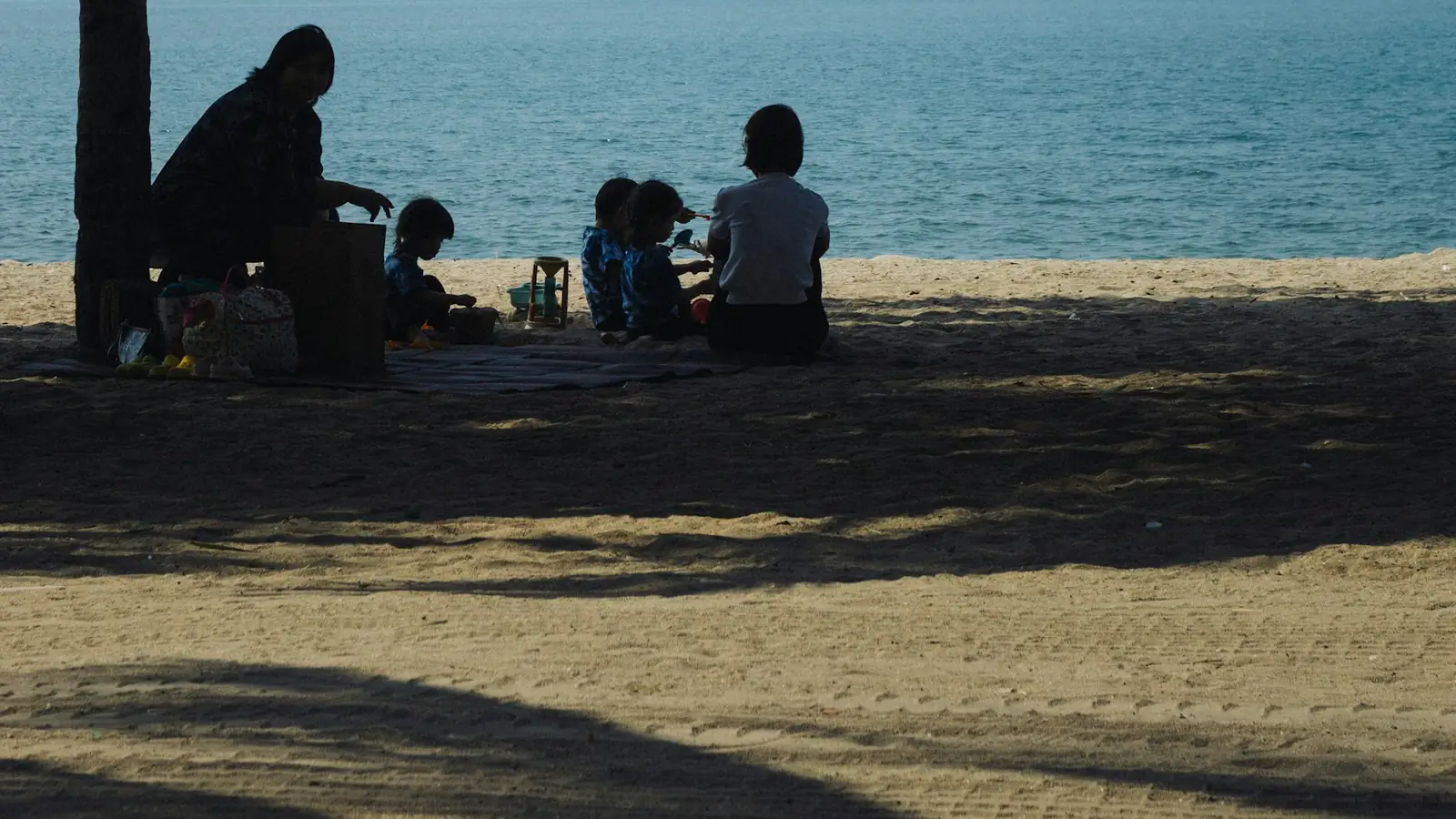
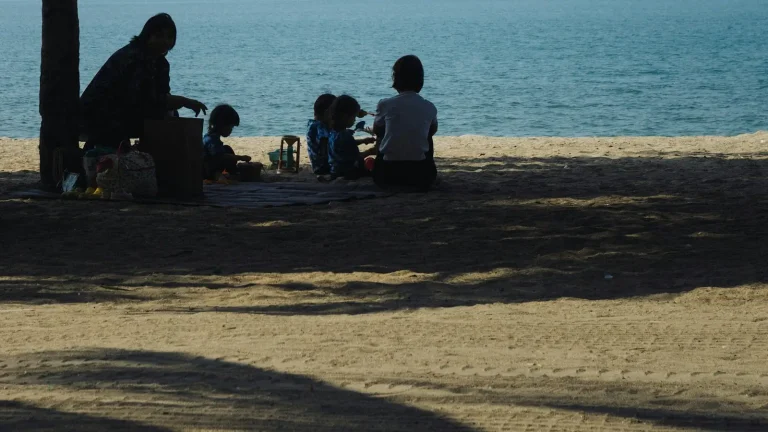
Sumbawa with family can be a brilliant trip for adventurous, nature‑leaning clans who like quiet beaches, space and a little friction in the journey. It is not a plug‑and‑play, stroller‑on-the-boardwalk kind of island, and suits older kids and self‑sufficient travellers far more than toddlers needing Bali‑grade convenience.
Is Sumbawa family‑friendly?
Sumbawa is family‑friendly for the right kind of family: those happy with fewer choices, slower service, long drives and wild nature in exchange for uncrowded bays, raw landscapes and kids actually seeing stars at night.
Compared with Bali or southern Lombok, Sumbawa is:
- Less built‑up: fewer resorts, malls and restaurants, more villages and empty coast.
- More spread out: long distances between hubs; almost no walkable “strip”.
- More seasonal: dry, breezy and easier April–October; wetter and rougher seas November–March.
- Rich in low‑key adventures: calm lagoons, simple snorkelling, waterfalls, village life, some of Indonesia’s best surf.
For families, the main question is not “is Sumbawa safe?” (it generally is, with normal travel sense), but “how much independence and patience do our kids have?”
Very young children can come, but parents will work harder than in Bali: more time in cars or boats, less baby‑friendly infrastructure, and limited access to medical care once you’re away from Sumbawa Besar or Bima.
Who Sumbawa suits best (ages & travel style)
As a working guide, based on current infrastructure and access:
- Best fit: Families with kids around 7–17 who:
- Love the ocean and aren’t afraid of open water boat rides.
- Are comfortable with simple local food or trying new flavours.
- Can handle 2–4 hour drives with breaks.
- Possible with care: Families with kids 4–6 who:
- Base at one or two stable, comfortable stays.
- Limit big travel days and keep boat trips short, in calm conditions.
- Hard work: Sumbawa with toddlers and babies:
- Limited baby facilities (no pharmacies stacked with imported brands outside main towns).
- Rougher roads; long transfers; heat and sun exposure.
- Not many shaded, fenced, child‑proofed spaces.
Travel style matters as much as age:
- “Soft adventure” families who like to self‑drive or hire a private driver, go with the flow, and don’t mind minor hiccups will thrive.
- “Resort and amenities” families might prefer to combine Sumbawa with Bali or Lombok, keeping Sumbawa as a 4–6 night adventure chapter rather than the whole holiday.
Family‑friendly experiences in Sumbawa
You don’t come to Sumbawa for water parks and malls. You come for empty morning bays, sea turtles, fish BBQs, easy snorkel reefs and the day’s rhythm set by tide and swell.
Calm bays and gentle beaches
Surf headlines most talk about Sumbawa, but there are many areas where the ocean is kinder and more suitable for kids:
- North‑coast bays near Sumbawa Besar – patchwork of village beaches and low‑key accommodation strips with typically smaller swell than the south. Good for sand‑play and wading on calmer days.
- Labuan Jambu & Saleh Bay area – mainly a launch point for whale shark trips, but the bay can be mirror‑calm at dawn.
- Island lagoons off the north‑east – sand‑cays and reef‑fringed islets accessible by local boat from certain hubs; best in dry season when winds are more predictable.
For a more detailed sense of coasts and coves to match your kids’ ages, see our guide to the best beaches in Sumbawa.
Snorkelling for beginners
For families, snorkelling is often the entry point to Sumbawa’s underwater world. Expect:
- Reefs with hard coral gardens, reef fish, occasional turtles.
- Conditions that can swing from glassy to choppy depending on season, wind and tide.
- Access mostly by small fibreglass or wooden boats, not big commercial operators.
You can often:
- Hop on half‑day boat trips from village harbours.
- Combine snorkelling with sand‑bank picnics or simple grilled‑fish lunches.
- Arrange life jackets for kids through your stay or boat contact (always check size and condition yourself).
For younger or less confident swimmers, choose:
- Protected lagoons and leeward sides of islands with less current.
- Morning slots before wind picks up.
- Days with clear briefing on conditions from your skipper or host.
Moyo Island: remote, raw, rewarding
Moyo, off Sumbawa’s north‑west, is often the first name raised for a Sumbawa family holiday with a touch of eco‑luxury.
Key realities:
- Remote: Access is by boat from Sumbawa Besar or surrounding coast; there is no bridge or public ferry. Expect at least a few hours of combined land and sea transfer from the nearest airport.
- Limited infrastructure: Very few places to stay and eat; you are on island time and need to be comfortable with that.
- Nature‑first: Think waterfalls accessed by bumpy track and short hikes, birdlife, simple snorkel reefs right offshore, village life, and night skies.
Moyo works well for:
- Families wanting 3–5 nights of digital‑light, nature‑rich time.
- Kids who will get into waterfall walks, bare‑feet on the beach and simple routines.
Possible challenges:
- Long transfer days (plan snacks, sun protection, motion sickness tablets if needed).
- Limited medical access; this is not the place to be dealing with serious allergies or chronic conditions.
Whale sharks in Saleh Bay (seasonal)
For older kids (roughly 10+ who are confident in open water), seasonal whale shark encounters in Saleh Bay can be extraordinary.
Atomic facts and caveats:
- Seasonal presence: Whale sharks move; encounters in Saleh Bay cluster around certain months linked to local fishing practices and plankton, but sightings are never guaranteed.
- Access: Trips typically launch very early from villages around Saleh Bay, by small boat.
- Experience: You usually enter from the boat by ladder or simple side entry, then snorkel at the surface while these filter‑feeding giants cruise beneath.
Family‑specific considerations:
- Age and comfort: Kids need to be calm in deep, open water with boats moving around.
- Ethics: Choose operators prioritising distance, low numbers and no touching or harassing the animals.
- Logistics: Early starts, potentially choppy crossings; bring extra layers, snacks and patience.
We can help you understand timing and options via our vetted partner; we do not run these trips ourselves.
Other low‑key adventures
Beyond headline wildlife, Sumbawa for families can include:
- Waterfalls reached by short hikes through villages and forest.
- Village visits to see weaving, agriculture or just everyday coastal life.
- Beginner surf sessions in select areas where waves are softer and school‑style coaching is available (this is very spot‑specific; not all Sumbawa breaks are suitable for beginners).
If you’re trying to balance activities with rest days, our guide to how many days in Sumbawa is a good planning yardstick.
Planning a Sumbawa family holiday and not sure which area fits your kids’ ages? You can plan your trip with us; we’ll map options and hand you to a vetted on‑ground partner via WhatsApp at +62 811 3941 4563 for quotes.
Eco‑luxury stays that work for families
Sumbawa is not yet lined with branded family resorts, but there is a growing layer of eco‑leaning, low‑density stays that can work well with kids.
What “eco‑luxury” really looks like here
On Sumbawa, eco‑luxury typically means:
- Fewer rooms and more space per guest, often in villa or bungalow layouts.
- Renewable energy where feasible (partial solar, careful water use).
- Simpler design with good beds, fans/AC and thoughtful materials, not gold taps and infinity pools on every corner.
- Local staff and kitchens focusing on fresh Indonesian staples plus a handful of Western dishes.
For families, that can translate to:
- Two‑bedroom villas or connecting bungalows for privacy but proximity.
- Shaded common areas and pools where kids can decompress between adventures.
- Flexible meal times and the ability to request simpler kid plates (rice, grilled fish/chicken, vegetables, fruit).
What to check before booking with kids
Because infrastructure is still developing, ask direct questions before you commit:
- Room layouts: Are there twin beds? Can an extra bed be added safely? Are there ground‑floor options if you’re nervous about balconies?
- Pool and beach safety: Is the pool fenced? How steep is the beach drop‑off? Any strong currents directly in front?
- Travel time from the nearest airport or ferry: Especially with younger ones, you may prefer a stay within 2–3 hours of arrival.
- Power reliability and back‑up: For babies and toddlers, consistent fan or AC and working fridges for milk can be non‑negotiable.
- Food flexibility: Can they manage basic allergies? Can you heat baby food or bottles?
Example pricing and expectations (by range)
Exact options and rates move with season, location and currency, but as a working guide (ranges last verified June 2026):
- Simple family‑friendly guesthouses
- Often 2–4 rooms, fan or simple AC, walking distance to beach. From roughly US$30–80 per night for a family room, sometimes including simple breakfast.
- Mid‑range eco‑stays
- Small lodges or bungalows, some with pools, better mattresses, AC and on‑site restaurant. Expect roughly US$90–220 per night for a family setup.
- Higher‑end eco‑luxury villas and retreats
- Spacious villas, more privacy, more staff, often on wilder stretches of coast or on nearby islands. Roughly US$250–700+ per night for family‑appropriate configurations.
We never fabricate operator names or promote properties we haven’t had vetted by our partner; examples above are category guides, not a complete list. If you proceed with a partner we connect you to, they may pay us a referral fee at no extra cost to you; no one can pay to change what we publish.
For a broader sense of categories and trade‑offs, explore our Sumbawa stays pillar.
Access and logistics with kids
Logistics are where Sumbawa with kids differs most sharply from Bali or Lombok. With clear expectations, it’s manageable; without, it can feel like hard work.
Getting to Sumbawa
You can reach Sumbawa by:
- Domestic flights into:
- Sumbawa Besar (SWQ) – serves western and central Sumbawa and Moyo access.
- Bima (BMU) – serves eastern Sumbawa and some surf hubs.
Connections are usually via Bali, Lombok or other Indonesian hubs.
- Ferry + drive:
- Lombok to Poto Tano – vehicle ferry, then driving along the north or south coasts depending on your target area.
Family‑specific tips:
- Keep one “buffer day” free of hard commitments after arrival in case of domestic flight delays.
- Travel light where you can; some last‑mile transfers use small boats with limited dry storage.
Getting around Sumbawa
Distances are real. Many family‑friendly areas are 2–5 hours’ drive from an airport or main ferry.
Transport options:
- Private driver + car – the most common solution for families. More comfortable than piecing together taxis or public transport, and safer than self‑drive if you’re not used to local roads.
- Self‑drive – possible for confident, experienced drivers used to Indonesian road culture; not recommended at night or in heavy rain.
- Boat transfers – short hops to nearby islands; some are informal village boats, others are arranged via your stay.
With kids, factor in:
- Realistic driving times plus breaks, not just distance on a map.
- Early departures for long routes to avoid afternoon heat and fatigue.
- Snacks, water, sun protection and light entertainment for the car.
Health and safety basics
Sumbawa has:
- Basic hospitals and clinics in main towns such as Sumbawa Besar and Bima.
- Very limited advanced care outside these hubs.
Practical steps for family travel Sumbawa:
- Bring a small medical kit: child‑friendly pain relief, rehydration salts, basic antiseptic, plasters, any prescription meds.
- Pack enough of specific formula, nappies and favourite snacks if you have toddlers; imported brands can be hard to find outside main towns.
- Use reef‑safe sunscreen, long‑sleeve swimwear and hats; the sun bites fast here.
- Make sure kids understand simple sea rules: don’t jump from boats without checking with adults, don’t touch unknown marine life, shuffle feet on sandy seabeds in case of buried creatures.
Planning Sumbawa with family realistically
To make a Sumbawa family trip feel like a holiday rather than an expedition, be honest about energy levels and travel appetite.
How long to stay
A useful rule of thumb:
- 4–6 nights – Good for one base and nearby day trips; ideal add‑on to Bali or Lombok.
- 7–10 nights – Enough to combine two bases (for example, a mainland eco‑stay plus Moyo or a second coast) without rushing.
- 2+ weeks – Best for slow travellers or families combining surf, multiple areas and full decompression.
Our dedicated piece on how many days in Sumbawa breaks down options by travel style.
Building a family‑friendly itinerary
Balance is everything:
- Anchor in one or two solid bases with comfortable rooms, good food and at least one easy‑access beach or pool.
- Cluster activities so that big excursions (like whale sharks or a full island‑hopping day) are buffered by gentler days.
- Time your location to seasons:
- Dry season (approx. April–October): More reliable conditions for crossings and outdoor time; popular with surfers during peak swells.
- Shoulder months: Can be rewarding with fewer people, but build in flexibility for weather.
Kids’ ages can shape the rhythm:
- With under‑8s, keep transfers shorter, stay closer to airports or ferry ports, and prioritise safe shallows and shade.
- With tweens and teens, you can stretch distances and layer in more active days: surf lessons, longer snorkel trips, village walks.
Budgeting for a Sumbawa family holiday
Costs vary widely based on your choices, but main pillars include:
- Transport: Domestic flights, private drivers, boat transfers, fuel.
- Stays: From simple guesthouses to eco‑lux villas (see ranges above).
- Food: Local warung meals can be very affordable; on‑site restaurant pricing moves higher, especially in remote eco‑stays where supply chains are longer.
- Activities: Guided snorkelling, whale shark outings, beginner surf, national park or island fees where applicable.
As a directional guide (ranges last verified June 2026), families who choose:
- Simple stays and local eateries might spend in the lower hundreds of US dollars per day all‑in.
- Mid‑range eco‑lodges with some guided activities could sit in the mid‑hundreds per day.
- Eco‑luxury villas and private boats can climb into higher daily spends, especially for larger families.
We don’t publish fixed package prices because Sumbawa travel is still highly customised; everything from swell forecasts to domestic flight schedules can nudge your final plan.
Honest pros and cons: Sumbawa for families at a glance
| Aspect | Upside for families | Trade‑offs |
|---|---|---|
| Environment | Quiet beaches, big skies, low light pollution, real nature. | Less manicured, more insects, rougher edges than a typical resort island. |
| Infrastructure | Low visitor numbers; room to breathe even in main hubs. | Fewer medical facilities, shops and baby services once you leave towns. |
| Activities | Snorkel, gentle beaches, waterfalls, village life, seasonal whale sharks. | Almost no theme‑park style attractions; some days are about simple pleasures. |
| Stays | Eco‑leaning, low‑density options; scope for quality time. | Limited choice of large “family resorts”; need to plan early for best fits. |
| Access | Domestic connections from Bali/Lombok make it a strong add‑on. | Longer transfer times; some routes depend on small boats and local conditions. |
If that balance still appeals, and you’d like help decoding coasts, seasons and kid‑fit areas, you can plan your trip with us via email or WhatsApp. We’ll sketch honest options, then connect you to a vetted operating partner on +62 811 3941 4563 or [email protected] for custom quotes.
Should you choose Sumbawa with family?
If your ideal family holiday is easy stroller walks, multiple cafés on your doorstep and quick access to international‑standard hospitals, Sumbawa is a stretch. Consider pairing it with denser, easier islands and holding Sumbawa as a shorter, well‑planned nature chapter.
If, instead, you’re drawn to:
- Empty early‑morning beaches.
- Kids learning tide times instead of shopping hours.
- A few long drives and boat rides as the price of real remoteness.
…then Sumbawa with kids can be one of those rare trips that sticks. Not because everything was polished, but because it wasn’t.
We’re not an operator and we don’t own boats or villas; we curate, compare and decode. No one can pay to change what we publish. If you choose to go ahead, we’ll connect you with a vetted on‑ground partner who can hold the bookings and logistics; if you book through them, they may share a referral fee with us at no extra cost to you.
Is Sumbawa safe for families?
Generally yes, for families using normal travel sense: watch ocean conditions, secure valuables, and be mindful of long distances to medical care outside main towns. The main risks are environmental (sun, sea, roads) rather than security‑related; Sumbawa is calmer and less crowded than many better‑known islands.
What is the best age to take kids to Sumbawa?
Sumbawa works best for kids around 7–17 who can handle longish transfers, boat rides and simple infrastructure. Younger children can come, especially if you stay close to airports and pick comfortable bases, but parents will need to manage more logistics than in Bali or Lombok.
Can we visit Sumbawa with a baby or toddler?
It’s possible but requires careful planning. Bring all essential supplies, choose stays with reliable power and fridges, keep transfer times short, and stay within reasonable reach of a main town. For many families, Sumbawa is easier saved for when the youngest are school‑age.
Are there all‑inclusive family resorts in Sumbawa?
Not in the mainstream, branded sense. Sumbawa’s accommodation is mostly small eco‑stays, guesthouses and a handful of higher‑end retreats. Some can bundle meals and activities by quote, but you won’t find the classic large all‑inclusive complexes common in more developed destinations.
How far in advance should we book a Sumbawa family holiday?
For school‑holiday periods and higher‑end eco‑stays, aim for 4–8 months in advance, especially if you need specific room layouts. For shoulder seasons with flexible dates, 2–4 months can be enough, but last‑minute domestic flight changes and local conditions mean planning ahead is wise.
Keep Reading
Uncategorized
Moyo Island Resort Price: What Affects The Cost
Clear guide to moyo island resort price: what drives costs, logistics, seasons and inclusions, plus how to get an accurate…

Uncategorized
Supersuck Sumbawa: Surf Guide To West Sumbawa’s Wall
Supersuck Sumbawa surf guide to West Sumbawa's heaviest left: access, seasons, how it breaks, who it suits, where to stay,…
Uncategorized
Sumbawa For Beginner Surfers: An Honest Guide
Honest sumbawa beginner surf guide: reef reality, mellow options, best bases, seasons and safety tips for learning to surf Sumbawa…