
Yoyos Surf Sumbawa: West Sumbawa Right-Hander Guide
The yoyos surf sumbawa guide starts with a simple definition: Yoyos is a mechanical, high-frequency right-hander on the West Sumbawa coast near Sekongkang, the more forgiving sibling to heavier waves like Supersuck and Scar Reef. This guide unpacks what Yoyos is, how it breaks, how it compares to its neighbours, and how to base yourself smartly in this remote corner of Sumbawa.
What is Yoyos?
Yoyos (often written “Yo-Yo’s”) is a reef-break right-hander in West Sumbawa, a short drive south of Maluk and close to Sekongkang. It sits in the same West Sumbawa surf stretch as Supersuck and Scar Reef, but usually offers a more approachable setup for a broader range of surfers.
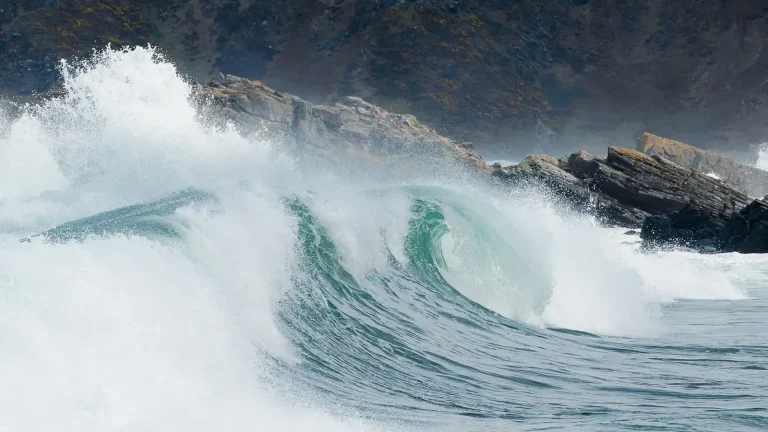
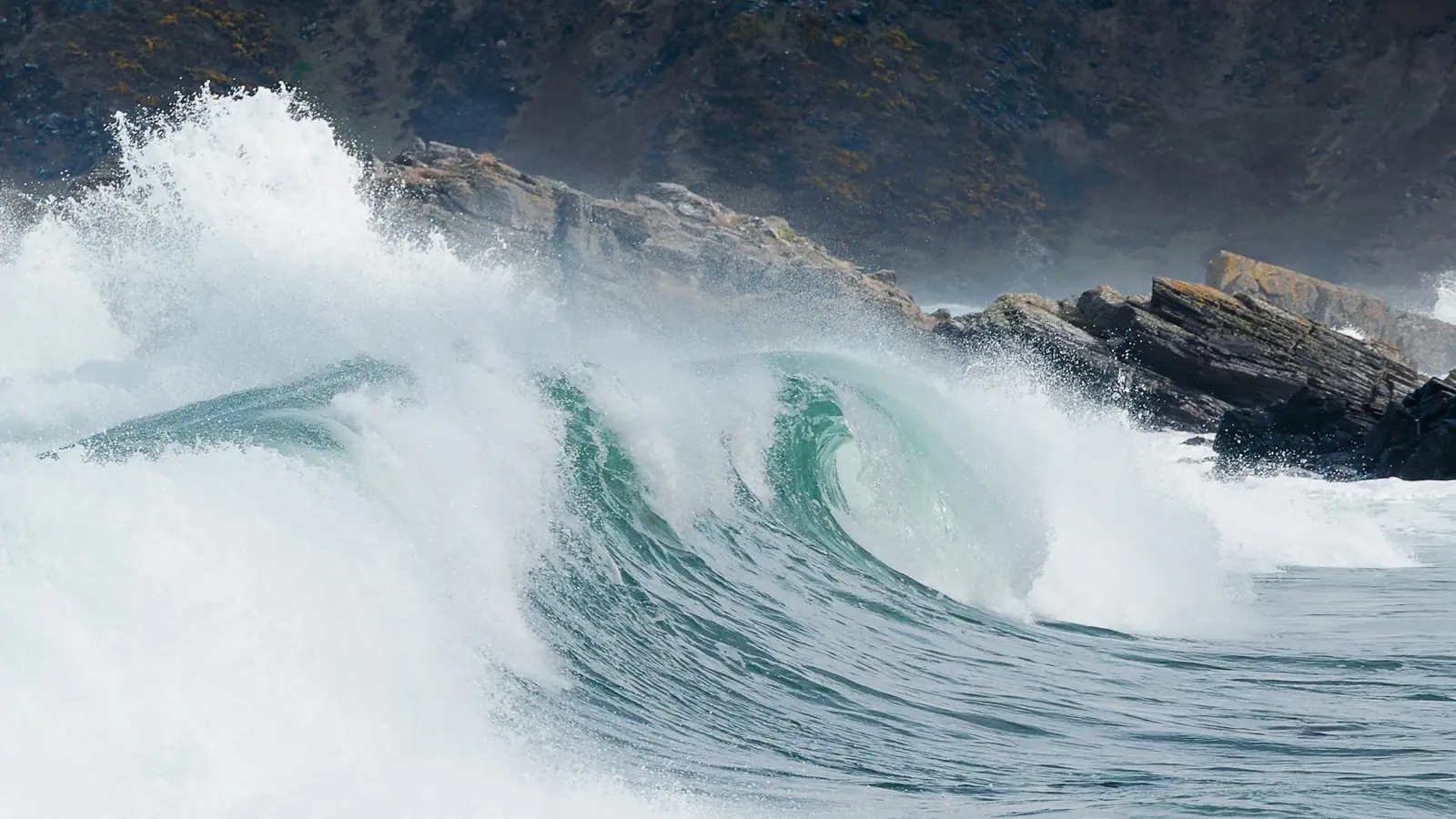
The wave swings around a headland and reels along a relatively forgiving reef, producing punchy walls, fun pockety sections and, on its better days, barrel opportunities. It is not a learner wave, but compared with the razor-edged, low-tide mechanics of Supersuck or the power of Scar Reef, Yoyos is often the friendlier option in the area.
It is a genuinely world-class wave in the right conditions, and outside of peak holiday weeks it is typically much quieter than equivalently good waves in Bali or Lombok. You will still share it — this is not a private playground — but the West Sumbawa remoteness holds numbers down compared with more developed surf zones.
Where Yoyos sits on the West Sumbawa coast
Yoyos is in West Sumbawa Regency, on the exposed southwest coastline facing the Indian Ocean. The nearest surf settlement is the Sekongkang area, with Maluk a short drive north. These two villages form the practical base for accessing most west sumbawa surf spots, including Supersuck, Scar Reef and Yoyos itself.
Regional layout: Yoyos, Supersuck, Scar Reef
The coastline here is a sequence of bays, headlands and reef passes. In broad terms:
- Maluk is the more developed town to the north, with banks, simple local warungs and basic services.
- Sekongkang is the looser, surf-focused village further south, closer to most of the marquee waves.
- Supersuck and Scar Reef sit roughly between Maluk and Sekongkang.
- Yoyos is a bit further south again, accessed from accommodation clusters along the coast near Sekongkang.
Driving times vary with exact location and road condition, but in general you can think in 10–30 minute increments between the main breaks. This compact geography is one reason sekongkang surf has a loyal following: based in a single bay, you can reach multiple world-class options quickly.
Access and logistics
Getting to West Sumbawa is a proper surf journey, not a quick hop like Canggu or Kuta Lombok:
- Most travellers route via Lombok, then overland and by ferry to Sumbawa Barat, before continuing to Maluk/Sekongkang.
- Others come via Sumbawa Besar and drive west, or via overland routes from elsewhere on Sumbawa.
- Road surfaces can range from smooth to potholed; travel times stretch in the wet season.
This remoteness is the trade-off: fewer crowds, more effort. Sumbawa Luxury does not operate transfers ourselves, but we can connect you to vetted local partners who know the current road and ferry reality. If you want help mapping the cleanest route in and out, you can plan your trip with us or message WhatsApp +62 811 3941 4563 for one-on-one planning.
Wave character: how Yoyos actually surfs
Among west sumbawa surf spots, Yoyos is the workhorse: more consistent than its headliner neighbours, and more forgiving of imperfect winds and swells. It has distinct moods depending on size and tide, but a few core traits hold.
Reef, take-off and sections
Yoyos breaks over coral reef, but it is generally deeper and more rounded than the sharpest Indo set-ups. That does not make it harmless — you can still hit rock, and booties are a personal call — but for most intermediate and up surfers used to reef, it feels approachable.
The take-off is usually a defined peak that stands up quickly, with a short intense drop into a fast wall. The wave then offers a series of rebounds, pockets and inside sections that “yo-yo” back at you, inspiring the name. Expect:
- Punchy drops that reward committed paddling and late take-offs.
- Carveable walls with space for rail turns rather than pure down-the-line racing.
- Occasional barrels, especially on the lower tide and with good period swell, but not a guaranteed tube machine like Supersuck.
Who Yoyos suits
Yoyos is not a beginner wave. You should be comfortable:
- Taking off on a reef break with some push.
- Dealing with current, rips and the occasional clean-up set.
- Surfing in a line-up where other surfers may be hunting barrels and pushing the pace.
That said, for confident intermediates wanting to step up from mellow Bali reefs into something more powerful but not extremely heavy, Yoyos can be a logical progression. Advanced surfers will enjoy the variety of sections for turns and tubes, especially on days that are too messy or small for Scar Reef or Supersuck to really switch on.
Crowds and vibe
Compared with busier Indonesian zones, the Yoyos line-up is typically light. You will share waves with guests from the nearby surf camps and a handful of travelling crews; peak-season mornings and holiday weeks can feel busy, but it is rare to see the kind of packed take-off zones that are normal in Bali or the Mentawais.
Vibe is usually relaxed but focused: people come here to surf hard, sleep, eat and do it again. Respect standard etiquette, don’t paddle straight to the top if you just arrived, and you will generally find a friendly enough atmosphere.
How Yoyos compares to Supersuck and Scar Reef
Yoyos, Supersuck and Scar Reef sit on the same stretch of coast but offer very different experiences. Each has its own personality, and the “right” wave for you on any given day depends on ability, risk tolerance and what the ocean is doing.
Supersuck vs Scar Reef vs Yoyos at a glance
- Type of break
- Yoyos: Right-hand reef, multiple sections, mixed barrels and turns.
Supersuck: Left-hand reef, ultra-mechanical barrel when on.
Scar Reef: Powerful left-hand reef, long walls and heavy sections. - Overall difficulty
- Yoyos: Intermediate–advanced (reef experience recommended).
Supersuck: Advanced–expert; very shallow and unforgiving at its best.
Scar Reef: Upper-intermediate–expert; powerful, technical take-offs. - Best conditions (typical)
- Yoyos: Handles a range of swells; more forgiving winds; often good when others are not.
Supersuck: Needs specific swell direction, size and tide to fully turn on.
Scar Reef: Likes solid swell and cleaner winds; becomes serious as size climbs. - Risk level
- Yoyos: Standard Indo reef risks; wipeouts manageable for most reef-experienced surfers.
Supersuck: High risk; shallow reef, serious injury potential.
Scar Reef: High risk in bigger surf; strong waves and exposed reef. - Consistency
- Yoyos: Very consistent; the go-to option in small or less-than-perfect conditions.
Supersuck & Scar Reef: World-class, but more particular about size, direction and tide.
We have separate deep guides on both heavyweights if you want full detail: see our Supersuck Sumbawa surf guide and our comparison of Scar Reef vs Supersuck.
Choosing your wave each day
From a base in Sekongkang or Maluk, the daily decision often looks like this:
- Yoyos if conditions are marginal, winds are less than ideal, or you want more makeable waves and repetition.
- Supersuck if the charts and tide line up and you have the skill, mindset and equipment for very shallow, freight-train barrels.
- Scar Reef if a solid groundswell is running, you like powerful lefts, and you are happy in step-ladder drops and heavy sections.
Many travelling groups will warm up at Yoyos, then pick selective sessions at Scar Reef and Supersuck when they feel sharp and conditions are clearly in the sweet spot.
Best season and conditions for Yoyos
Yoyos is exposed to the Indian Ocean and benefits from the same broad seasonal patterns that shape much of Indonesia’s surf. That said, its orientation and reef geometry mean it breaks more often and more usefully through shoulder windows than some marquee waves nearby.
Seasonality
As with most of Sumbawa’s southwest coast, the main surf season broadly follows the dry season. You can think in three broad bands:
- High season (roughly May–September): More frequent and stronger Indian Ocean swells, generally drier weather, and more predictable winds. Yoyos gets regular head-high to overhead days and handles a surprising amount of size. Crowds are highest in this window, but still moderate by Bali standards.
- Shoulder months (roughly April and October, sometimes into early November): Often an excellent compromise: enough swell for Yoyos to work well, lighter crowds, but with more variability in wind and weather. Flexible surfers who do not need guaranteed daily perfection often prefer this time.
- Wet-season options (roughly December–March): More variable winds, squalls and shorter-period swells. There are still quality days, and Yoyos’ consistency can make it a go-to even in this window, but you trade reliability for solitude.
Keep expectations elastic: even in high season, you can get flat spells; even in wet season, you can score all-day offshores and fun swells. Forecast literacy and flexibility are as important as the calendar month stamped on your ticket.
Ideal conditions for Yoyos
Yoyos’ exact tolerances are nuanced and depend on shifting sand, reef and weather patterns year to year, but broadly surfers look for:
- Swell: Medium to solid Indian Ocean swells with a favourable direction. Yoyos is more forgiving than its neighbours about being slightly under- or over-sized.
- Wind: Trades and local wind patterns shift across the season. Yoyos can handle light cross-shore better than more exposed breaks, but glass or true offshore is obviously prime.
- Tide: Many visiting surfers prefer mid to higher tides for padding over the reef, with lower tides opening more intense barrels but increasing risk. Local knowledge (from your accommodation or guides) helps tune this; always observe a few sets if you are unsure.
Equipment and safety
For most surfers, a standard shortboard quiver in the 5’8”–6’4” range covers Yoyos from chest-high runners to solid overhead days. Stronger or bigger surfers and those hunting the largest days may appreciate a step-up. A few practical notes:
- Leashes: Bring backups; access to high-end surf hardware locally can be limited and resupply is not guaranteed.
- Reef protection: Cuts are common. A small first-aid kit with disinfectant and waterproof dressings is more important than booties.
- Insurance: Consider travel insurance that clearly covers surfing reef breaks and medical evacuation from remote islands.
Basing yourself in Sekongkang or Maluk for Yoyos
To surf Yoyos regularly, you will base yourself in the Sekongkang–Maluk corridor. These are simple, surf-focused towns with a handful of lodges and surf-camp-style accommodations, not polished resort strips.
Sekongkang vs Maluk
Both towns are small, low-key communities on the West Sumbawa coast. Each has trade-offs for a Yoyos-focused trip. We have a deeper, town-level comparison in our Sekongkang vs Maluk Sumbawa write-up, but in short:
- Sekongkang: Closer to Yoyos and many of the key breaks. Feels more like a surf outpost: dirt roads, sea-salt in the air, boards stacked under warungs. Limited non-surf distractions; this is ideal if you want to surf, eat, rest, repeat.
- Maluk: Slightly more infrastructure: more local shops, basic ATMs, and a bit more day-to-day convenience. You trade being right next to some waves for a bit of extra drive time.
Accommodation style near Yoyos
In the Yoyos/Sekongkang area, stays generally fall into a few broad categories:
- Surf-camp-style lodges: Simple rooms or bungalows, often with communal meals, board storage and optional guiding. Some are very basic; a small number offer more “eco-luxury” touches such as better linens, water refill stations and curated food.
- Homestays and local guesthouses: Family-run properties with fan or AC rooms, local food and a more direct connection to village life. Amenities are modest but warm and genuine.
- Villa or retreat-style properties: Limited in number in this area, typically aiming at travellers who want more privacy and comfort between surfs, and who are happy to pay a premium for that space.
Sumbawa Luxury is a guide, not an operator: we do not own or run these properties. We visit, compare and stay across the spectrum, then connect you with a vetted operating partner to handle actual bookings. We keep examples neutral and avoid naming wherever ownership or standards shift quickly; this keeps our recommendations current and honest.
Price ranges (by-quote only)
Rates in the Yoyos/Sekongkang area change with season, currency and what is included (meals, guiding, transfers). As broad, last-verified June 2026 ranges:
- Budget homestays: Often fall in a low nightly range per room, sometimes including breakfast.
- Mid-range surf lodges: Typically in a moderate nightly range per person, sometimes with meals included.
- Higher-comfort villas/retreats: Can run into a higher nightly bracket for an entire house or multi-bedroom setup.
Because owners frequently adjust rates and package inclusions, we do not quote fixed prices here. Instead, we work by-quote: share your dates and comfort level, and we’ll line up current options and ranges from a partner who operates on the ground.
Food, supplies and non-surf life
Expect a surf-mission rhythm more than a “resort holiday” feel:
- Food: Local warungs and lodge kitchens serve a mix of Indonesian staples and simple Western comfort dishes. Vegetarian options are easier than strict vegan, but both are possible with some planning.
- Supplies: You can find basics (drinking water, snacks, simple toiletries) in small shops. Specialty items, high-end sunscreen and advanced surf hardware are best brought from Bali or home.
- Other activities: On flat or windy days, travellers swim, snorkel, walk headlands, fish or simply rest. This is not an area of curated boutiques or nightlife; its drawcard is empty coastline and wave quality.
If you’d like help matching a specific Yoyos-focused stay to your surf level, group size and comfort expectations, you can plan your trip with us or chat via WhatsApp +62 811 3941 4563. No one can pay to change what we publish; if you proceed with our partner they may pay us a referral fee at no extra cost to you.
Is Yoyos right for your Sumbawa surf trip?
Among the waves in West Sumbawa, Yoyos occupies a useful space: serious enough to keep advanced surfers keen, forgiving enough that confident intermediates can grow into it, and consistent enough to anchor a trip. You trade easy access and polished infrastructure for raw coastline and a line-up that, most days, still feels like a surf trip rather than a surf circus.
If your dream Sumbawa experience is strings of heavy barrels over inches-deep reef, you will gravitate toward Supersuck and Scar Reef on their best days. If you want a reliable wave to ride most days of your stay, with just enough consequence to feel alive and just enough forgiveness to let you push your surfing, Yoyos may quietly become your favourite wave on the coast.
Is Yoyos suitable for beginners?
No. Yoyos is a reef break with power, current and a line-up of experienced surfers. It suits intermediate and above surfers who are comfortable on reef and can handle steeper take-offs. True beginners are better off learning on sand-bottom or very soft reef waves elsewhere in Indonesia before tackling West Sumbawa.
How many days should I plan to surf Yoyos?
For a dedicated trip that includes Yoyos, Supersuck and Scar Reef, many surfers aim for 7–14 days in the Sekongkang–Maluk area. This gives you enough time to ride out flat or onshore spells and sample each wave in a few different moods. If you are adding West Sumbawa to a longer Indonesian circuit, even 4–5 days can be worthwhile, provided you accept the gamble of shorter windows.
Do I need a guide to surf Yoyos?
A guide is not mandatory for competent, reef-experienced surfers. The paddle-out and line-up are generally straightforward, and you can learn a lot by watching and easing into sets. That said, a local guide or experienced camp operator can accelerate your learning curve on tides, rips and alternative take-off spots, and is particularly valuable if you plan to surf Supersuck or Scar Reef as well.
Is Yoyos crowded?
By Indonesian standards, Yoyos is moderate: you will usually share it with a crew of travelling surfers, but it rarely hits the packed intensity of Bali’s better-known reefs. Crowds peak around mid-year and holiday periods; early and late in the season, or midweek in shoulder months, you can still get mellow sessions with only a handful of others out.
How do I plan a trip to Yoyos through Sumbawa Luxury?
Sumbawa Luxury is a surf-travel concierge and editorial guide, not an operator. We help you compare West Sumbawa options honestly — from Sekongkang vs Maluk bases to which waves match your level — then connect you to a vetted partner who handles bookings, transfers and on-the-ground logistics. Start by sharing your travel window, surf level and group size via our plan your trip page or WhatsApp +62 811 3941 4563; we’ll respond with tailored options and by-quote ranges so you can make a clear, informed call.
Keep Reading
Uncategorized
Moyo Island Resort Price: What Affects The Cost
Clear guide to moyo island resort price: what drives costs, logistics, seasons and inclusions, plus how to get an accurate…
Uncategorized
Supersuck Sumbawa: Surf Guide To West Sumbawa’s Wall
Supersuck Sumbawa surf guide to West Sumbawa's heaviest left: access, seasons, how it breaks, who it suits, where to stay,…
Uncategorized
Sumbawa For Beginner Surfers: An Honest Guide
Honest sumbawa beginner surf guide: reef reality, mellow options, best bases, seasons and safety tips for learning to surf Sumbawa…