
Sumbawa Snorkeling Spots: Reefs, Bays & Moyo
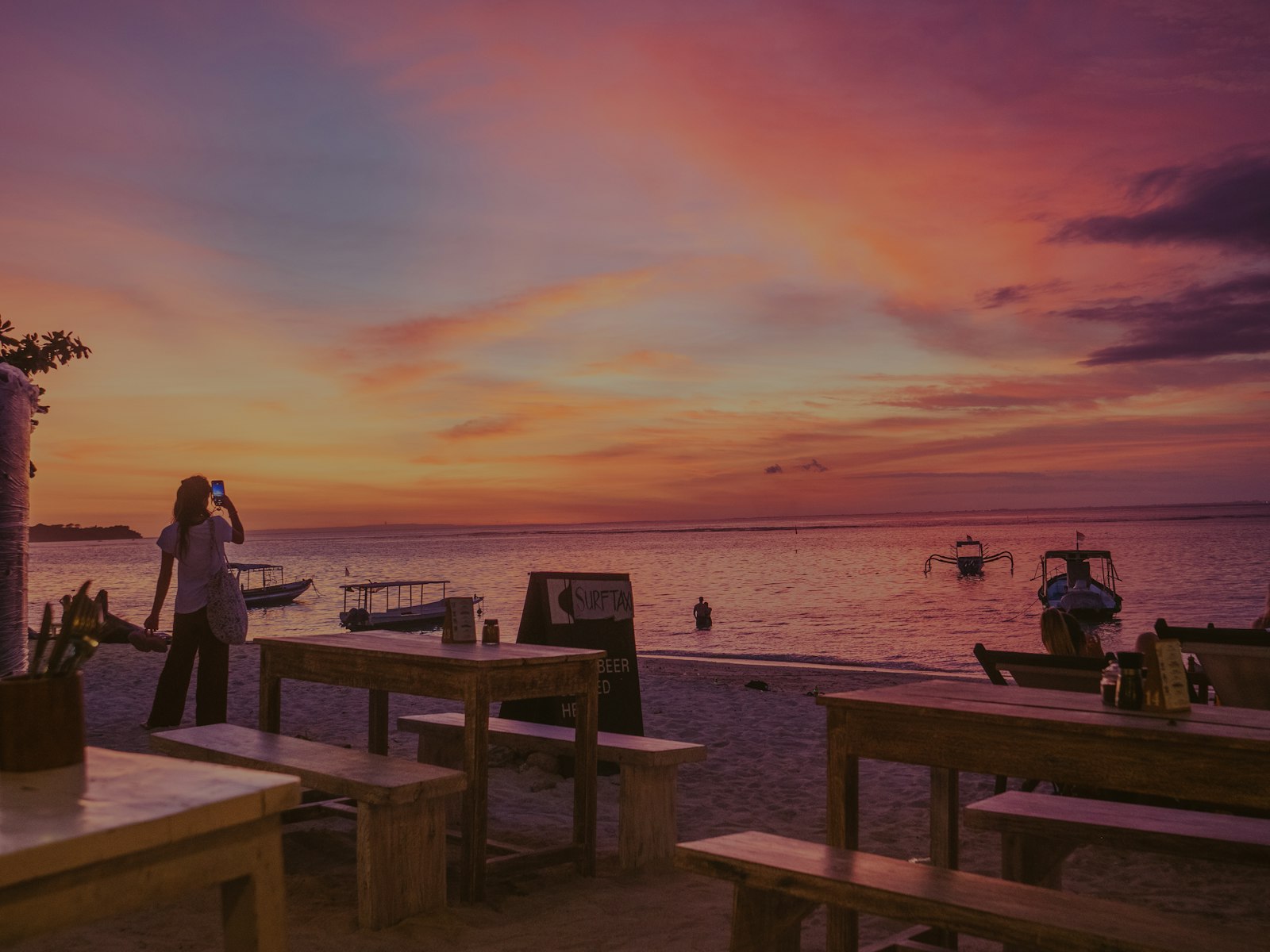
Sumbawa snorkeling spots are defined less by beach bars and resorts, and more by quiet bays, live reefs and long boat rides. The best snorkeling in Sumbawa clusters around Moyo Island, the calm waters of Saleh Bay and a handful of low-key coastal bays where you’re more likely to share the water with reef fish than with other travellers.
Sumbawa Luxury is a guide, not a tour operator. We map the options, compare trade-offs and connect you to a vetted local partner to book once you know what you want.
Where to snorkel in Sumbawa: the simple overview
For travellers who care less about crowds and more about clear water and reef life, Sumbawa is quietly strong. It is not Bali: infrastructure is thin, sites are spread out, and you need to think about seasons and logistics. In return, you get space.
At a high level, the best Sumbawa snorkeling spots fall into three clusters:
- Moyo Island reefs
- Offshore island north of Sumbawa Besar with accessible fringing reef, house-reef style snorkeling and live coral gardens.
- Saleh Bay snorkeling
- Huge, semi-enclosed bay between Dompu and Sumbawa Besar, known for calm seas, seagrass, soft corals and seasonal whale sharks.
- Coastal bays and beaches
- Scattered along the north and some eastern coasts: small reefs near shore, usually reached by simple boats organised locally.
Access, not reef quality, is the main constraint. Roads are improving, but transfers can still take hours, and boats are mostly simple local craft rather than purpose-built snorkel boats.
Mid-article planning help: if you want one-on-one advice on which area fits your route and season, you can plan your trip with us; we’ll connect you on WhatsApp to a trusted partner for by-quote options.
Moyo Island reefs: house-reef ease without big-resort crowds
Moyo Island sits just off the north coast of Sumbawa Besar, reached by boat from the mainland. It is best known in wider travel circles for a former ultra-luxury lodge, but the real long-term asset is the reef: healthy fringing coral, accessible drop-offs and generally clear water.
What Moyo Island snorkeling is actually like
Moyo Island snorkeling is characterised by:
- Fringing reef starting relatively close to shore
- Coral gardens interspersed with sandy patches
- Drop-offs within easy reach by boat
- Frequent turtles, reef fish, and occasional pelagics in deeper blue
The experience is quieter and more natural than most resort lagoons in Indonesia. You will not find rows of sun loungers or jet ski noise; you may, however, deal with more rustic logistics and less on-call equipment.
Visibility is typically good in the dry season (roughly April–October), with possible drops around heavy rain or strong winds. Currents vary by site and tide. Some spots are easy for casual snorkelers at slack tide; others develop a lateral pull best suited to confident swimmers and guided drifts.
Main Moyo snorkeling zones
We avoid naming tiny coves that shift in popularity and access each year, but there are three broad zones that most Moyo Island snorkeling trips use:
-
Close-shore reefs near accommodation clusters
– Swim-in access at higher tides
– Patch reefs with hard coral, anemones and small bommies
– Good for low-key morning or late-afternoon sessions -
Boat-access drop-offs on the north and east sides
– 5–20 minute boat rides in typical conditions
– Clearer water and more relief in the reef
– Mix of shallow plate coral and deeper blue edges -
Mangrove-adjacent and seagrass areas
– Less postcard-pretty but good for macro and juvenile fish
– Often combined with village visits or coastal walks
Because Moyo is small and largely protected from mass development, reef impact is lower than in many better-known islands. There can still be broken sections near jetties and commonly used entry points, usually from past anchoring and boat traffic.
Staying on Moyo vs day-tripping
From a snorkeling point of view, staying on the island unlocks the most flexible access:
- You can time sessions around tides and light
- You can snorkel shorter windows (pre-breakfast, sunset)
- You’re less exposed to crossing chop in marginal weather
Day trips from Sumbawa Besar are feasible but more weather-dependent. They also stack transit into the middle of the day, when light is harsher and seas can be bumpier.
Moyo vs Saleh Bay vs coastal bays
To orient you, here’s a simplified comparison of Sumbawa’s main snorkeling clusters:
| Area | Type of experience | Ease of access | Best for | Trade-offs |
|---|---|---|---|---|
| Moyo Island | Offshore island reefs, mix of house-reef and boat sites | Boat transfer from Sumbawa Besar; weather-dependent | Travellers wanting multi-day snorkel focus | Higher logistics cost; limited non-water activities |
| Saleh Bay | Calm bay, soft corals, seagrass, seasonal whale sharks | Boat trips from villages on bay rim | First-time snorkelers, mixed-ability groups | Some areas less clear after rain; long boat days |
| Coastal bays | Near-shore reef patches off quiet beaches | Varies: some walk-in, many need small boats | Surfers and explorers adding light snorkel sessions | Patchy reef and facilities; limited rental gear |
Saleh Bay calm-water snorkeling
Saleh Bay is a large, sheltered bay between Sumbawa Besar and Dompu. It is known in travel media mainly for whale shark tourism, but the everyday snorkeling is more about calm water, soft coral gardens and long, mellow boat days.
What to expect from Saleh Bay snorkeling
Saleh Bay snorkeling usually means:
- Boat-based days, often from simple fishing boats adapted for tourism
- Stops at shallow reefs, seagrass meadows and sandbars
- High chances of glassy water in the south-east trade season
- A slower, more drifting feel than drop-off reef walls
On many routes you’ll snorkel over mixed coral bommies and sea grass beds that support turtles, juvenile reef fish and micro life. Expect subtle colours and detail over dramatic walls. On the plus side, these habitats tend to be less hammered by mass tourism.
Whale sharks and reality checks
Saleh Bay also has seasonal whale shark aggregation linked to local fishing practices. Operators from villages around the bay run trips that attempt encounters. Two important caveats:
-
Sightings are not guaranteed.
Whale sharks are wild animals. Some years see more frequent encounters than others, and even in peak months, boats can strike out. -
Standards are evolving.
Not all operators follow the same approach around feeding, distance and group size. If you care about low-impact wildlife viewing, you need a partner who shares that view.
We work only with partners who are actively moving toward better-practice whale shark encounters: limiting guest numbers per boat, maintaining reasonable distances, and avoiding direct contact. Our role is to match you and to be transparent about where standards stand; our partner does the guiding.
Is Saleh Bay good for beginners?
Saleh Bay is one of the more forgiving Sumbawa snorkeling spots for less experienced swimmers, thanks to:
- Generally protected conditions
- Plenty of shallow sites
- Boat captains used to mixed-ability groups
Trade-offs:
- Getting on and off simple boats can be awkward if you have mobility issues
- Some areas can go milky after heavy rain or strong inshore winds
- Facilities are basic: think village toilets and simple lunches, not yacht-level ease
If you’d like help aligning your comfort level with a particular style of Saleh Bay snorkeling tour, you can plan your trip and we’ll talk it through by WhatsApp before connecting you to a vetted operator.
For more detail on the whale shark side specifically, we maintain a dedicated overview under our Saleh Bay snorkeling & whale shark guide (see: Saleh Bay snorkeling tour).
Coastal bays and quieter reefs along Sumbawa’s shores
Outside of Moyo Island and Saleh Bay, Sumbawa’s coastline is long, irregular and still largely rural. That means beaches with reef just offshore, and headlands where the reef drops away into deeper water. It also means variable access and very little formal snorkel infrastructure.
Snorkeling near surf zones
Many travellers come to Sumbawa primarily to surf. Some of the same headlands that channel world-class waves also have more sheltered pockets with reef suitable for snorkeling in the right conditions.
Patterns we see:
- North coast: more leeward, with a mix of sand and fringing reef. Good for gentle sessions when trades are up elsewhere.
- South and west coasts: more open to swell. Sections can be crystal-clear and full of life in calm spells, but they can also be dangerous or unpleasant when surf is running.
If “best snorkeling Sumbawa” to you means adding a reef fix between surf sessions, we’ll usually recommend building in a low-swell window or targeting naturally protected corners rather than trying to force it at a famous surf break.
Beach-based snorkeling days
Outside the main hubs, the rhythm tends to look like this:
- Drive a rough road to a quiet beach
- Walk the shoreline to check for entry points and wave shape
- Wade out over sand and seagrass into patch reef
- Optionally hire a small local boat for access to slightly deeper bommies
You trade glossy set-ups for a simple, organic feel. Pack your own mask, snorkel and rash guard; rental gear is thin and often poorly maintained. For help pairing beaches with likely reef sections, see our best beaches in Sumbawa guide and the broader Sumbawa beaches pillar.
VERIFY-flagged sites and caution
Some specific Sumbawa snorkeling names appear on blogs and social feeds without consistent, recent verification on reef health or access. We treat these cautiously and keep them under active review with local contacts:
- Named “secret reef” coves on the north coast – conditions and boat access shift year to year (VERIFY annually on-site).
- Micro atolls near minor river mouths – often heavily affected by runoff and sediment in wet season (VERIFY before planning a full day).
We will not promote an exact pinpoint just because it appears online. If a site moves from “promising” to “overfished and silted”, we say so and steer you elsewhere.
Seasonality, conditions and safety for Sumbawa snorkeling
Sumbawa’s seasons shape visibility, access and comfort more than any glossy image might suggest. Understanding these patterns is the difference between a clear, relaxed snorkel and a churned-up disappointment.
Dry vs wet season
While microclimates exist, the general pattern:
- Dry season (roughly April–October)
- More stable weather overall
- Trade winds can bring chop to some coasts but leave others glassy
-
Lower river runoff, usually better visibility
-
Wet season (roughly November–March)
- Heavier rain events, especially December–February
- Short, intense squalls possible
- River plumes can reduce clarity near river mouths and bays after storms
Because Moyo Island and much of Saleh Bay sit away from large river mouths, they can hold visibility better than nearshore reef directly off river-fed coasts. That said, any site can go murky after significant weather.
Currents and swell
Currents in Sumbawa are influenced by tides, reef shape and, around the islands, by localised channels. The key points:
- Slack high or low tides typically mean easier snorkeling
- Mid-tide changes can produce lateral flows, especially near channels and headlands
- Exposed south and west coasts are more affected by swell; even if the reef itself is intact, waves may make entry and exit unsafe
In higher-energy zones, we always recommend going with a local guide or boat captain who knows that particular stretch of coast. A bay that looks calm from the sand can still have a noticeable pull once you’re over the reef edge.
Safety basics that matter more in remote areas
Sumbawa is remote. Hospital-level care may be hours away. Sensible precautions go a long way:
- Gear: bring a mask that fits you, a snorkel you trust, and a well-fitting set of fins. Consider a lightweight inflatable snorkel vest for weaker swimmers.
- Exposure: sun is strong; wear a long-sleeve rash guard or light wetsuit and reef-safe sunscreen on exposed skin.
- Buddy system: avoid snorkeling alone, especially around reefs with any current or boat traffic.
- Boat awareness: in mixed-use bays, stay aware of fishing boats and local traffic; use surface markers where appropriate.
- Marine life: stings and scrapes are far more common than dramatic incidents. Avoid standing on coral, watch for fire coral, and keep hands off everything.
Our role is to set the frame. Your guide or boat operator is responsible for on-the-day safety briefings and decisions. If you ever feel pushed beyond your comfort level, say so.
Pairing snorkeling with your stay in Sumbawa
The most satisfying Sumbawa snorkeling trips tend to be tailored, not one-size-fits-all. Rather than trying to “collect” sites, we suggest choosing one or two anchor areas that match your style and building around them.
For snorkel-first travellers
If snorkeling is your main aim and surf, trekking or villages are secondary:
- Anchor at Moyo Island or near its mainland jump-off for several days of reef time
- Add Saleh Bay as a dedicated day or overnight for bay snorkeling and (season-permitting) a whale shark attempt
- Leave room for weather buffers so you’re not forced onto a choppy transfer day
This style suits photographers, families with older kids who are very comfortable in the water, and couples who enjoy quiet evenings more than nightlife.
For surf travellers who want reef time
If you are coming for world-class waves and want Sumbawa snorkeling as a side dish:
- Choose surf bases with access to calmer pockets or north-coast excursions
- Slot a Saleh Bay snorkeling day between heavier surf days for body recovery
- Consider a Moyo side trip if your schedule allows and winds align
We can help identify which surf zones pair realistically with snorkeling and which stretches are simply too exposed most of the time.
For mixed-ability or multi-generational groups
If your group mixes confident free-divers and people who are not at ease in the water:
- Lean toward Saleh Bay for sheltered, shallow spots and easy boat support
- Build in some beach days on north-coast sands where non-snorkelers can simply relax
- Add Moyo Island snorkeling only if your group is comfortable with the idea of boat transfers and a quieter island stay
Explain your group’s comfort levels when you reach out. That shapes everything from boat choice to timing and backup plans.
How Sumbawa Luxury helps you plan (and how we earn)
Sumbawa Luxury is an independent editorial guide. We do not own or operate boats, lodges or tour companies. Our work is to:
- Explain the areas, seasons and trade-offs plainly
- Help you map what’s realistic for your dates and interests
- Connect you to a vetted, local operating partner once you’re ready to book
We update price expectations as ranges (last verified June 2026) because fuel prices, regulations and local costs move. For example, a shared day-trip snorkel in Saleh Bay might fall somewhere in the mid to upper hundreds of thousands of rupiah per person, while a private charter or Moyo-based snorkel day may reach into the low millions of rupiah for a small group. Exact quotes come from the operator for your specific dates and group size.
On independence: no one can pay to change what we publish; if you proceed with our partner they may pay us a referral fee at no extra cost to you.
If you’d like tailored advice for your route, season and comfort in the water, you can plan your trip with us. We’ll usually move the conversation onto WhatsApp for practicalities, including live updates on sea conditions and boat options. Our WhatsApp line is +62 811 3941 4563 and email is [email protected].
FAQs: Sumbawa snorkeling spots
Is Sumbawa good for snorkeling compared to Bali or Komodo?
Sumbawa has fewer formal snorkel operators than Bali or Komodo, but more space and less crowd pressure on the water. Moyo Island and Saleh Bay offer quality reef and calm conditions; what you give up is easy access, big-boat comfort and dense restaurant or nightlife options.
What is the best time of year for snorkeling in Sumbawa?
Generally, the drier months from around April to October give more stable conditions and clearer water, especially around Moyo Island. Saleh Bay can still be workable outside those months, but heavy rain or wind can affect visibility. Wildlife like whale sharks is seasonal and never guaranteed.
Do I need to join a tour to snorkel in Sumbawa?
For offshore areas such as Moyo Island and Saleh Bay, you will need some form of organised boat, even if it is a simple local charter arranged through a guesthouse. For nearshore reef along beaches, confident swimmers can sometimes snorkel independently in calm conditions, but local knowledge on currents and safe entry points is still important.
Can beginners snorkel at Moyo Island and Saleh Bay?
Saleh Bay is generally more beginner-friendly thanks to sheltered water and shallow sites. Parts of Moyo Island are suitable for newer snorkelers at the right tide, but other spots have currents better suited to confident swimmers. In both cases, going with a patient guide and using flotation support makes a big difference.
How do I book a vetted snorkeling operator in Sumbawa?
You contact us first. We’ll clarify what you want to experience, your dates and your comfort in the water, then connect you to a local partner who runs the actual boat or tour. You can plan your trip online, message WhatsApp +62 811 3941 4563 or email [email protected] to start that process.
Keep Reading
Uncategorized
Moyo Island Resort Price: What Affects The Cost
Clear guide to moyo island resort price: what drives costs, logistics, seasons and inclusions, plus how to get an accurate…
Uncategorized
Supersuck Sumbawa: Surf Guide To West Sumbawa’s Wall
Supersuck Sumbawa surf guide to West Sumbawa's heaviest left: access, seasons, how it breaks, who it suits, where to stay,…
Uncategorized
Sumbawa For Beginner Surfers: An Honest Guide
Honest sumbawa beginner surf guide: reef reality, mellow options, best bases, seasons and safety tips for learning to surf Sumbawa…