
Is Sumbawa Worth Visiting? An Honest Traveller’s Take
Is Sumbawa worth visiting? Yes—if you’re drawn to a wild, dry Indonesian island where surf, reefs and savanna meet and crowds are still the exception, not the rule. No—if your baseline is Bali-level cafés, nightlife and seamless transport. This is a place for people who prefer raw edges over polish.
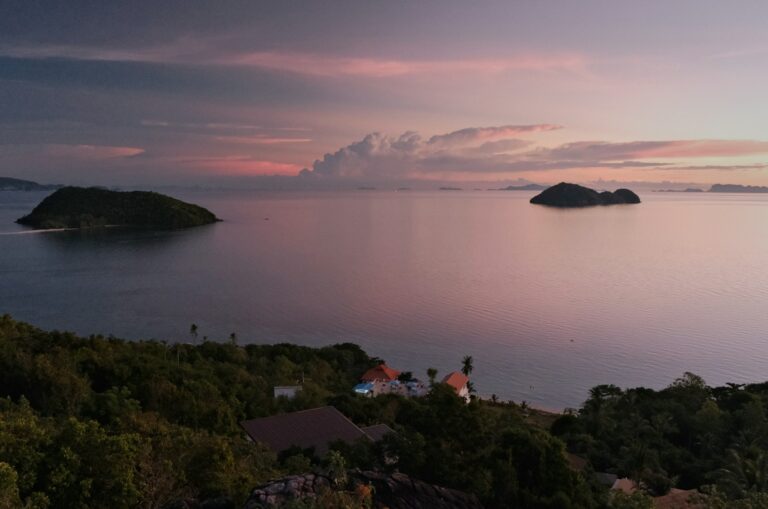
Sumbawa sits in West and East Nusa Tenggara, between Lombok and Flores. It’s one of Indonesia’s larger islands, but dramatically less developed than Bali or Lombok: long savanna hills, big reef passes, serious surf, village life and a handful of eco-luxury retreats scattered along huge, empty bays.
As Sumbawa Luxury, we’re an independent eco-luxury and surf concierge guide: we scout and compare stays, waves and experiences, then connect you to vetted local operators to book. We don’t own boats or resorts, and no one can pay to change what we publish; if you proceed with a partner they may pay us a referral fee at no extra cost to you.
What makes Sumbawa different from Bali or Lombok?
The short answer to “should I visit Sumbawa?” is that it depends how much wildness you want. This is not Bali with fewer people; it’s a different island logic altogether.
A dry, savanna island, not a jungle postcard
Geographically, Sumbawa is part of the drier “Lesser Sundas.” You’ll see:
- Brown-gold hills for much of the year, especially May–October
- Pockets of forest and rice fields, but also open scrub and cattle country
- Long reef-fringed coastlines with very little built on them
If your mental image of Indonesia is all lush rice terraces, Sumbawa can feel almost Australian in parts—big skies, open ridges, blue sea, and hot, dry days.
Far fewer people, far fewer visitors
Population density is dramatically lower than Bali’s, and tourism is still thin and seasonal outside a few pockets (Hu’u/Lakey Peak, West Sumbawa surf zones, Moyo Island, Saleh Bay).
That means:
- Empty beaches are normal, not special
- Most “crowds” mean a handful of surfers in the water
- At night, away from town, you often hear more crickets than engines
It also means fewer choices. In many bays there might be one or two reliable places to stay, one warung open after dark, and that’s about it.
Surf and sea first, everything else second
Why visit Sumbawa at all, then? Because if you’re ocean-led, it makes sense:
- Consistent dry-season surf in West Sumbawa and Hu’u (Lakey Peak side)
- Clear water and healthy reefs in many areas, especially around Moyo Island and less-fished pockets of coastline
- Saleh Bay whale shark trips—one of the more reliable (but never guaranteed) places in Indonesia to try to see them around modified fishing platforms called bagan
Culture, village life and inland landscapes are present, but the primary draw is still the coast.
Who Sumbawa is right for (and who it isn’t)
The honest answer to “is Sumbawa worth it?” depends far more on you than on the island. Here’s the fit check.
Sumbawa is a strong match if you:
- Surf or travel with surfers
- Intermediate to advanced surfers will find powerful options on both west and south coasts in season.
-
There are some softer waves, but Sumbawa is better known for punchy reefs than for longboard cruisers.
-
Prioritise quiet over scene
- You like hearing goats on the hill and waves at night more than club bass.
-
A “big night” is sunset beers, a bonfire, and being in bed by 10.
-
Can handle imperfect logistics
- You’re okay with a couple of domestic flights or a long ferry/bus combination.
-
You don’t need same-day laundry, 15 café options or a pharmacy on every corner.
-
Are comfortable with trade-offs in luxury
- Eco-luxury here often means sea views, solar, ceiling fans and sometimes scheduled generator power—not endless marble and air-con everywhere.
-
You’re willing to pay “Bali villa money” for locations that feel like the last bay on earth, even if the menu is short and Wi‑Fi occasionally sulks.
-
Want something genuinely different to Bali
- Sumbawa feels less curated and less international; village life is still the default backdrop.
- You value that sense of “this is someone’s home island first, tourism second.”
Sumbawa is probably not right now if you:
- Want nightlife, shopping and café culture
- There are almost no clubs, very few cocktail bars, and limited shopping beyond basics and some local crafts.
-
Coffee culture is improving, but don’t expect a Canggu-style line-up.
-
Need extensive medical or accessibility support
- Regional hospitals exist in towns like Sumbawa Besar and Dompu but are limited compared with Bali or Jakarta.
-
Many eco-stays involve stairs, uneven paths and boats; not all can accommodate mobility needs yet.
-
Are travelling with very young or very cautious children and want full-service ease
-
Families do come, especially to the more established eco-lodges and to Moyo Island, but you’ll need to be comfortable with boat transfers, bumpy roads and limited kids’ menus and facilities.
-
Hate long travel days or uncertainty
- Delayed ferries, shifting boat schedules, and phone-dependent drivers happen.
- If that stress outweighs the joy of being remote, Sumbawa may frustrate you.
If you’re not sure which side you fall on, send us a message and we’ll tell you honestly if Sumbawa fits your style: plan your trip or WhatsApp +62 811 3941 4563 for a quick fit-check itinerary.
The trade-offs: access, development and amenities, honestly
Sumbawa’s magic comes from the fact that it’s still a little hard. Here’s what that actually looks like.
Getting there and around: time vs money
You can reach Sumbawa by air or overland via Lombok.
- By air (fastest)
- Domestic flights (often via Lombok, Bali or Jakarta) connect to airports such as Sumbawa Besar and Bima.
-
Flight schedules can be limited and change seasonally; you’ll usually need to align with specific days.
-
Overland via Lombok (cheaper, slower)
- Drive across Lombok, then take the public ferry to Poto Tano (West Sumbawa).
- From there, transfers by car to your bay (West Sumbawa surf areas, Hu’u/Lakey Peak, etc.).
- Expect a full travel day from South Bali to many parts of West or Central Sumbawa.
Once on the island, distances are large, roads are mixed quality, and there’s no Grab or Gojek outside main towns. Most travellers rely on:
- Pre-arranged car + driver
- Lodge-arranged transfers
- Occasionally a rented bike in more developed pockets (only if you’re fully confident; night driving is not advised)
Development: what exists and what doesn’t
You’ll find:
- Basic services in towns (ATMs, markets, mobile data, local food)
- A small cluster of surf stays in Hu’u/Lakey Peak and parts of West Sumbawa
- A tight handful of higher-end or eco-luxury properties in remote bays and on/near Moyo Island
You won’t find:
- Large international chains lined up along a beach
- A wide range of boutique shopping districts
- A gastro-restaurant in every area (some properties have excellent kitchens, but you might be tied to your lodge for most meals)
Amenities and comfort: what “eco-luxury” really means here
In Sumbawa, “luxury” is often:
- Space and seclusion
- Direct access to reef, surf or wild coastline
- Thoughtful design using local materials
- Staff teams drawn from nearby villages, trained over time
But you may also encounter:
- Limited or generator-backed power in very remote areas
- Patchy mobile signal once you leave town or main roads
- Occasional trade-offs in service polish compared with Bali’s most practised hospitality hubs
If your priority is a faultless minibar and nightly turndown, Bali or Lombok may still suit you better. If your priority is waking up with only a few other humans in sight of a huge bay, Sumbawa starts to make sense.
Signature Sumbawa experiences: why visit Sumbawa at all?
Sumbawa travel, honest version: go for a small set of very strong experiences, not a checklist of “must-sees”. Here are the ones worth planning around.
World-class surf with room to breathe
Sumbawa has long been on the radar for serious surfers. You’ll find:
- West Sumbawa
- A mix of lefts and rights on reef passes, generally best in the dry season (roughly April–October) with Indian Ocean swells.
-
Power and consequence: some waves here are for advanced surfers only; there are mellower options, but reef is almost always in play.
-
Hu’u / Lakey Peak region (Central South Sumbawa)
- A cluster of breaks accessible from land, with a small but focused surf town feel.
- More infrastructure than many other Sumbawa areas (basic shops, warungs, surf operators), still far from Bali density.
Outside peak season, waves are smaller and winds can shift; depending on your level, that can be a positive (kinder conditions) or a reason to time your trip carefully.
Moyo Island: limestone, reef and waterfall days
Off the north coast of Sumbawa, Moyo Island is a protected area known for clear water, limestone cliffs and low-key wildlife. Access is by boat from the Sumbawa mainland; transfers are usually organized via your chosen stay or operator.
Expect:
- Reef snorkelling in calm conditions (coral health varies by site, but there are still colourful patches and fish life)
- Short jungle walks to waterfalls and natural pools
- A slower rhythm: think reading in a hammock, swims, simple village encounters
Accommodation ranges from simple homestays on the Sumbawa side with day trips to Moyo, through to higher-end options on or near the island. This is one of the more comfortable choices for non-surfers.
Saleh Bay whale sharks
Saleh Bay on Sumbawa’s north side has become known for whale shark encounters around modified fishing platforms called bagan. The relationship between whale sharks and these platforms is complex and evolving; operators and local authorities have been working on codes of conduct to reduce stress on the animals.
Key points:
- Sightings are never guaranteed, and can vary by season and conditions.
- Trips usually depart early, often before sunrise, and involve a boat ride into the bay.
- Ethical practice matters: we favour partners who follow no-touch rules, limit group sizes, and keep time in the water reasonable.
If this experience is a priority, building flexibility into your itinerary (a couple of extra days on the north side) improves your chances of catching the right conditions.
Village, ranch and savanna life
Inland, you’ll find a different Sumbawa:
- Roadside markets with seasonal produce and local snacks
- Horse and cattle culture in some regions
- Dry hills that turn briefly green with the rains
This is not a place of organised cultural performances laid on for visitors. Encounters are more everyday: a chat at a warung, watching a football game at dusk, stumbling on a village ceremony from a respectful distance.
How much time do you really need in Sumbawa?
The question “is Sumbawa worth visiting” is often really “is it worth the effort?” That hinges on time.
As a rough guide:
- Minimum meaningful stay: 5–7 nights
- Works if you focus on one area (e.g. West Sumbawa surf, or a north-coast base for Moyo/Saleh Bay), and fly at least one direction.
-
Good for intermediate/advanced surfers on a quick strike or couples wanting one eco-luxury base.
-
Balanced trip: 8–12 nights
- Enough to split between two zones without feeling rushed. For example:
- 4–6 nights surf (West Sumbawa or Hu’u)
- 4–6 nights north coast/Moyo/ Saleh Bay area
-
Allows a buffer day for weather or ferry changes.
-
Deep dive: 14+ nights
- For travellers who want to see more than one part of the island, include off-days, and not be in transit every few days.
- Useful if you’re combining Sumbawa with Lombok, Flores or overland travel.
If Sumbawa is your only Indonesian stop and you have fewer than 5 nights, the travel overhead may outweigh the reward. In that case, consider Lombok instead and read our comparison guide: Sumbawa vs Lombok.
We also compare Sumbawa with Sumba for travellers weighing the two: Sumbawa vs Sumba.
For more detail on trip length by travel style, see our dedicated guide: How many days in Sumbawa?
How to plan around Sumbawa’s rough edges
You can’t remove Sumbawa’s frictions, but you can plan so they feel like texture instead of problems.
Choose your season carefully
Patterns vary across the island, but three broad frames help:
- Dry season (roughly April–October)
- More reliable surf on west and south coasts.
- Drier landscapes, often hazy horizons, lower rainfall.
-
Trade-off: hotter days; some inland areas can feel harshly dry.
-
Shoulder months
-
Late March/November may offer a balance of residual greenery with some swell and fewer people, but can be more variable.
-
Wet season (roughly November–March)
- Greener hills and fewer visitors.
- Surf shifts; some zones lose consistency, while others can still work with the right winds.
- Roads may be affected in heavy rain, and some smaller operators reduce services.
Weather and wildlife (including whale sharks) are never guaranteed; flexible expectations make for a better trip.
Match your base to your priorities
Ask yourself: surf, snorkel, solitude, or a combination? Then focus.
- West Sumbawa
- Surf-led, dry-season focus, some eco-lodges and surf stays, relatively easier access from Lombok ferry.
- Hu’u / Lakey Peak
- Surf town nucleus with multiple breaks, more budget/mid-range stays, basic but social.
- North Coast & Saleh Bay
- Access point for Moyo and whale shark trips, calmer seas in the right conditions, mix of local stays and a few higher-end options.
Trying to “do it all” in 6–7 nights usually translates into too many car transfers and not enough water time.
Budget realistically
Sumbawa is not uniformly “cheap just because it’s remote.” You’ll find:
- Local warung meals: very affordable
- Basic homestays/guesthouses: still good value, often simple fan rooms
- Eco-luxury or remote villas: can be priced similarly to mid–high-end Bali stays due to supply chains, staffing and logistics, even if the island around them feels rustic
For eco-luxury and surf-friendly stays, a rough sense of ranges (last verified June 2026, excluding peak surcharges and private charters):
- Character eco-stays / surf lodges: often in the mid-range to lower high-end bracket per night for double occupancy, with higher rates for fully remote or all-inclusive concepts.
- Higher-end villas or suites in standout locations: can climb into premium nightly pricing, especially in peak surf or holiday periods.
We don’t publish fixed hotel prices because they move fast and depend strongly on season, inclusions and group size. Instead, we build by-quote itineraries around your budget and priorities.
Pack and prep for “almost off-grid”
A few practicalities make a disproportionate difference:
- Bring any prescription medication you need; don’t rely on finding it locally.
- A small dry bag is useful for boat transfers and island-hopping.
- Sun protection matters: UV is strong, and many days feel drier than Bali.
- Download offline maps; mobile signal drops between towns.
- Expect cash usage in rural areas; ATMs exist in towns but not everywhere.
Quick comparison: is Sumbawa worth visiting for you?
| Question | Sumbawa reality | Good fit if you… |
|---|---|---|
| Do you need nightlife? | Very limited; evenings are quiet. | Prefer early surfs, early nights, stargazing. |
| Are you a surfer? | Dry-season reef waves, some world-class, many powerful. | Intermediate–advanced, or travelling with surfers. |
| Do you love wild landscapes? | Dry hills, big bays, few buildings, more goats than traffic. | Value emptiness and savanna as much as jungle. |
| Do you need polish? | Some beautiful eco-luxury, but island-wide service uneven. | Can trade small imperfections for remote settings. |
| How do you handle logistics? | Domestic flights/ferries, car transfers, changing schedules. | See the journey as part of the story, not a bug. |
If the “good fit” column sounds like you, Sumbawa is likely worth it.
How Sumbawa Luxury can actually help
We don’t own resorts, boats or cars. Our role is to:
- Help you decide if Sumbawa is genuinely right for you (and say “try Lombok or Sumba instead” if it isn’t).
- Curate 1–3 stay options that fit your budget and style instead of sending you a long, confusing list.
- Decode logistics: which airport, which ferry, how long between zones, how many nights where.
- Connect you to vetted, on-the-ground operating partners to handle the actual bookings and payments.
No one can pay to change what we publish; if you do proceed with a partner we recommend, they may pay us a referral fee at no extra cost to you.
If you’re at the “is Sumbawa worth visiting for my particular trip?” stage, share your dates, group size and priorities and we’ll map an honest yes/no and a draft route: plan your trip or WhatsApp +62 811 3941 4563.
Is Sumbawa worth visiting if I’ve already been to Bali and Lombok?
Yes, if you enjoyed Bali and Lombok’s nature more than their nightlife and café culture, and you’re comfortable stepping into a wilder, less serviced version. If you felt Bali was already too quiet away from Canggu or Ubud, Sumbawa may feel too remote.
Is Sumbawa safe for travellers?
Overall, Sumbawa feels similar to many rural parts of Indonesia: generally friendly, with low levels of serious crime against visitors. The main risks are environmental and logistical—strong surf, reefs, road conditions, heat and distance to medical care. Sensible precautions, travel insurance and a realistic sense of your own limits go a long way.
Can non-surfers enjoy Sumbawa?
Yes, particularly on the north coast and around Moyo Island, where you can focus on snorkelling, boat trips and quiet beach time. In hardcore surf hubs, non-surfers need to enjoy a very relaxed routine and be happy with limited alternative activities.
How expensive is Sumbawa compared with Bali?
Local food and simple stays are often cheaper than Bali’s main tourist zones. However, eco-luxury properties and remote operations can cost as much as—or more than—equivalent-level Bali stays due to logistics. Transport within Sumbawa also adds up because distances are long and there’s no ride-hailing in remote areas.
Should I visit Sumbawa or Sumba?
Both are dry, less-developed Indonesian islands with a strong sense of place. Sumbawa is more surf- and sea-oriented, with Saleh Bay whale shark access and Moyo Island. Sumba leans more into megalithic culture, traditional villages and grassland plateaus, with limited surf pockets. Which suits you depends on whether your primary draw is waves and water or land and culture; we break this down in detail in our Sumbawa vs Sumba guide.
Keep Reading
Uncategorized
Moyo Island Resort Price: What Affects The Cost
Clear guide to moyo island resort price: what drives costs, logistics, seasons and inclusions, plus how to get an accurate…
Uncategorized
Supersuck Sumbawa: Surf Guide To West Sumbawa’s Wall
Supersuck Sumbawa surf guide to West Sumbawa's heaviest left: access, seasons, how it breaks, who it suits, where to stay,…
Uncategorized
Sumbawa For Beginner Surfers: An Honest Guide
Honest sumbawa beginner surf guide: reef reality, mellow options, best bases, seasons and safety tips for learning to surf Sumbawa…