Sumbawa vs Sumba: Which Wild Island Suits You?
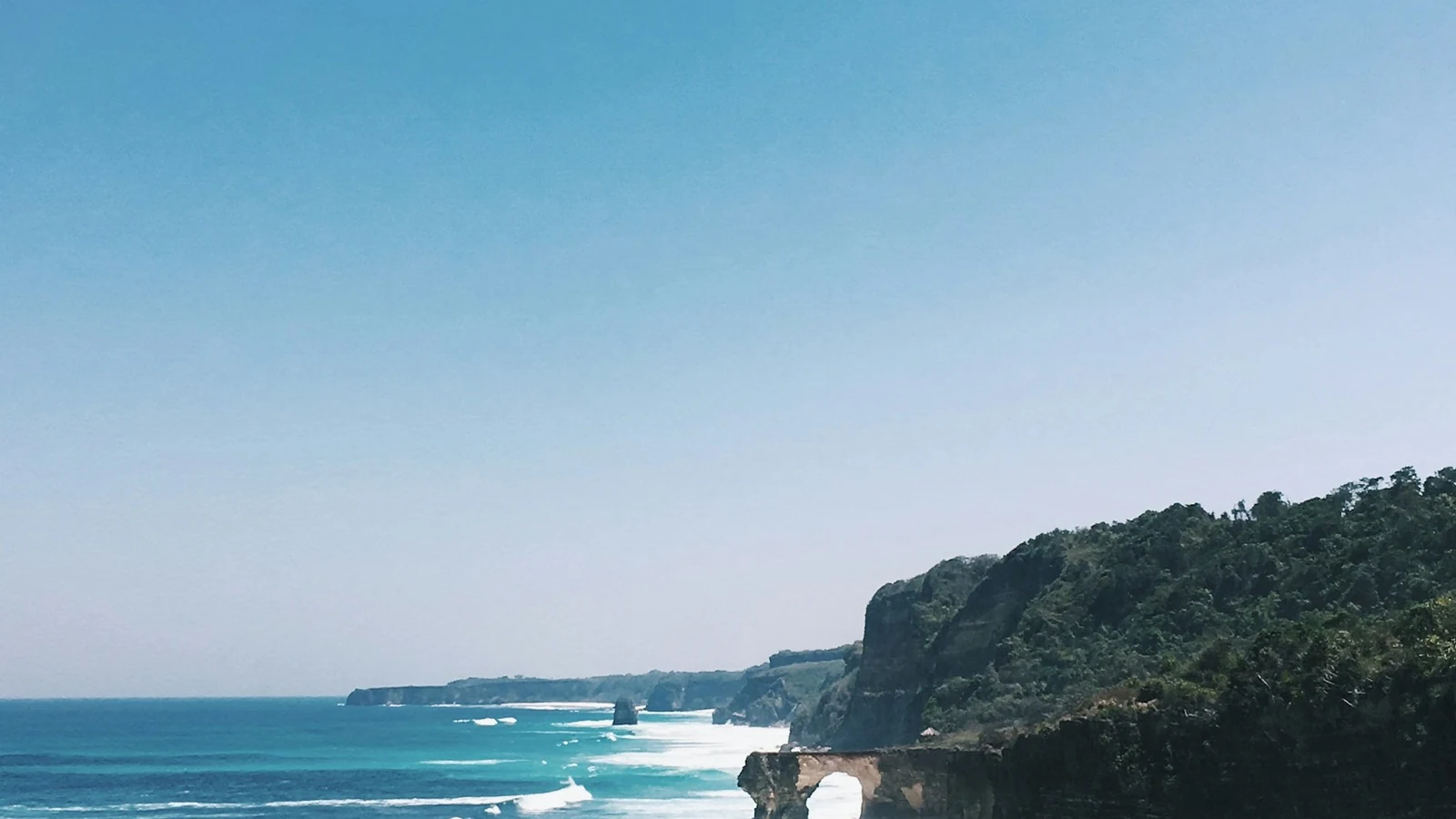
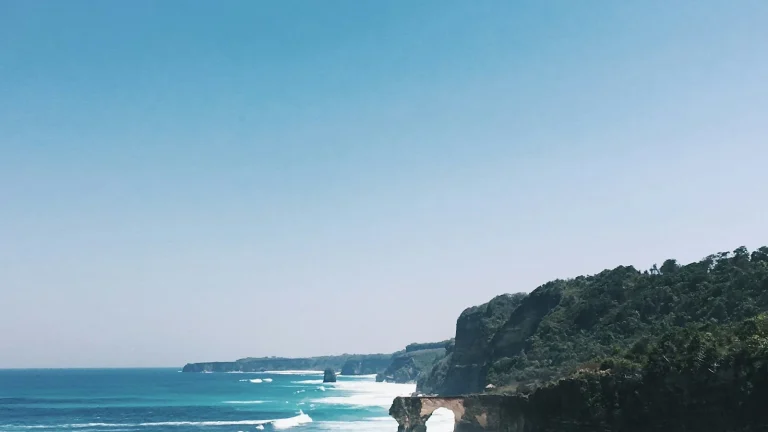
Sumbawa vs Sumba is ultimately surf-and-sea immersion versus culture-and-landscape drama. Both are wild, low-density Indonesian islands, but Sumbawa leans heavy on world-class waves, marine encounters and quiet archipelago life, while Sumba leans toward sculpted hills, traditional villages and design-forward lodges.
Sumbawa vs Sumba at a glance
If you’re torn between Sumba or Sumbawa, start with this:
- Choose Sumbawa if your priorities are surf, remote-sea time, Moyo Island seclusion and Saleh Bay whale shark trips, plus generally lower day-to-day costs and fewer people.
- Choose Sumba if you want dramatic savannah hills, ritual-heavy village culture, and a couple of globally known design resorts, with surf as a serious but secondary draw.
Some fast definitions:
- Sumbawa sits in West Nusa Tenggara, directly east of Lombok. It’s long and underbuilt, with multiple surf coasts, Moyo Island to the north, and Saleh Bay roughly central for whale shark excursions.
- Sumba sits further south in East Nusa Tenggara, below Flores. It’s drier, hillier and often described as “frontier Bali meets African savannah”, with megalithic tombs and villages still practising strong adat (customary law).
Both islands demand a bit of work to reach. Neither is a quick “pop over from Seminyak” add-on. You trade convenience for space, emptier line-ups and the feeling of being out on the edge.
Key differences at a glance
| Factor | Sumbawa | Sumba |
|---|---|---|
| Primary pull | Surf, Moyo Island, Saleh Bay whale sharks, low-key islands | Landscapes, traditional villages, design resorts, some surf |
| Location | East of Lombok in West Nusa Tenggara | South of Flores in East Nusa Tenggara |
| Overall vibe | Laid-back surf frontier, fishing villages, quiet bays | Dry hills, river valleys, horses, strong ritual culture |
| Surf level | World-class, multiple zones from beginner-friendly to heavy reef | More limited, a few quality breaks, less concentrated |
| Eco-luxury style | Smaller surf lodges, eco-resorts, private-boat style stays | High-design all-inclusive lodges plus simpler guesthouses |
| Access | Flights from Bali/Lombok to Bima or Sumbawa Besar; ferry links | Flights from Bali/other hubs to Tambolaka or Waingapu |
| Price band (last verified June 2026) | Mid to upper-mid; luxury possible via private charters/villas | Mid to high; top-end lodges can be significantly pricier |
| Who it suits | Surfers, ocean-focused couples/friends, adventure families | Cultural travellers, design-seekers, honeymooners, riders |
Mid-trip and want help threading logistics or stitching islands together? You can always plan your trip with us via email, or WhatsApp us on +62 811 3941 4563 for Sumbawa-focused or twin-island routes.
Landscape and vibe: the difference Sumbawa–Sumba in how they feel
Sumbawa: long coasts, quiet villages, life at sea level
Sumbawa is a horizontal island in character as much as shape. Most of your time is close to the waterline: in surf bays, fishing harbours, mangroves and island anchorages.
Expect:
- Volcanic backdrops in the west around Tambora; gentler hills further east.
- Wide beaches backed by coconut, casuarina and the odd warung, rather than resort ribbons.
- Small towns and fishing hamlets where life still runs on the tide and the call to prayer.
- Island offshoots like Moyo: low-slung forest, waterfalls, clear house-reef snorkelling and almost no ambient noise once the boat leaves.
The vibe is surf-casual and devoutly local. English is spoken in the surf corridors; elsewhere, expect smiles, hand gestures and Google Translate. Nightlife is a cold beer under a big sky, not beach clubs.
Sumba: sculpted hills and ritual villages
Sumba’s drama is mostly vertical: ridgelines, river gorges and inland villages perched on spurs.
Picture:
- Savannah hills that brown off in the dry season and glow green after the rains.
- Karst and river systems you can hike, raft or ride beside.
- Traditional villages with high-pitched thatch roofs, handwoven ikat and megalithic tombs in the central courtyard.
- Horses as part of daily life, from beach rides to the famous Pasola ritual (timings and access vary and should be researched carefully; it’s not a show staged on demand).
The atmosphere is more about culture and landscape than the sea. Coastal zones exist—some with legitimate surf—but much of Sumba’s high-end stay scene is oriented around views, horses and immersion in adat life, with beaches as a bonus.
Surf comparison: Sumbawa vs Sumba for waves
If your main question is surf-weighted—Sumba vs Sumbawa travel for waves—Sumbawa is the clear winner in consistency, variety and surf culture.
Sumbawa for surf: world-class and still relatively uncrowded
Sumbawa is a core stop on many Indo surf pilgrimages. Without naming specific operators or camps, you’ll find:
- Western and central coasts with a chain of reef breaks that can handle serious swell.
- Multiple zones offering hollow, heavy waves for advanced riders, alongside mellower reef and beach options that suit improving intermediates on the right tides and swells.
- Boat-accessible spots and more remote corners where you might share a peak with only a handful of others, especially outside the absolute peak season.
Typical patterns (always variable and never guaranteed):
- Main surf season: roughly May–September for the most reliable swell and offshore patterns in many areas.
- Shoulder seasons (April, October, sometimes November) can bring good, less crowded windows with mixed conditions.
On Sumbawa, surf is the organising principle. Everything—meal times, transfers, nap windows—bends around the wind and tide. If you’re a surfer or travelling with them, the island is set up to make sense.
Sumba for surf: side-quest, not centrepiece
Sumba does have surf. Certain headlands and bays see quality waves, and some resorts build surf guiding into their stays. But:
- The density of world-class breaks is lower than Sumbawa.
- Breaks can be more exposed to wind with fewer alternative options nearby if the main wave is off.
- Surf culture is less dominant; you’re as likely to share the line-up with a couple of resort guests as a crew of dedicated chargers.
If your trip is defined by surfing and you’re asking “Sumba or Sumbawa for waves?” the honest answer is: go Sumbawa first, then consider Sumba as an add-on for contrast rather than the core surf week.
Eco-luxury stay styles on each island
Both islands have moved beyond basic homestays, but in very different directions.
Eco-luxury on Sumbawa: discreet surf lodges, island retreats and live-aboard style
Sumbawa’s eco-luxury is more low-key and sea-focused:
- Surf-focused lodges: Think a handful of rooms or bungalows, open-air communal dining, filtered water, solar in the mix and reef-aware practices such as careful anchoring and local waste partnerships.
- Moyo Island: Here you’ll find seclusion-oriented stays that lean into waterfall hikes, house-reef snorkelling, birdlife and boat-only access. Experience-wise, Moyo is Sumbawa’s closest analog to Sumba’s destination-lodge feel, but with the ocean, not the hills, as your main stage.
- Saleh Bay access points: Stays here often prioritise early launches for whale shark excursions, simple seafood, and quiet evenings. Some options are very simple; others are edging into soft-luxury with AC, decent linen and curated excursions.
Price-wise (ranges only, last verified June 2026):
- Mid-level surf lodges and eco-resorts: often in the ~US$120–300 per room per night range depending on location, season and inclusions.
- Higher-touch, small-scale eco-luxury and private charters: can range from ~US$350–800+ per night-equivalent, especially if you charter boats or villas on an exclusive basis.
You trade some polish—no wine cellar lists, minimal spa menus—in return for direct access to waves, reefs and the feeling of being well clear of any resort strip.
Eco-luxury on Sumba: design lodges and village-framed stays
Sumba’s upper tier is more design-forward and land-anchored:
- High-end lodges: A small number of properties have made Sumba a byword in certain travel circles—architecturally ambitious, often on private or semi-private landholdings, with strong staff ratios, curated activities and high price points. Activities cluster around horse riding, village visits, river trips and some surf.
- Village-proximate guesthouses and small hotels: Matched more to mid-range budgets, these may not be “luxury” in the classic sense but can deliver character, clean rooms, and verandas facing hills or fields.
Typical ranges (last verified June 2026):
- Mid-range guesthouses / boutique stays: roughly ~US$80–220 per room per night depending on simplicity vs amenities.
- Top-end lodges: commonly upwards of ~US$900–1500+ per room per night once taxes and mandatory meal/activity packages are factored, sometimes significantly more during peak seasons.
Sumba’s high-end stays often emphasise social and environmental initiatives. As with anywhere, dig past the marketing: ask how many local staff are employed in meaningful roles, what water and waste systems look like, and how guests are guided in villages. No island is impact-free; the key is transparency and accountability.
Access and logistics: Sumbawa or Sumba for ease of travel?
Getting to and around Sumbawa
Sumbawa sits directly east of Lombok, which makes it surprisingly logical to fold into a broader Nusa Tenggara route.
Access (can change; always re-check):
- By air:
- Flights from Bali and/or Lombok into Bima (east) and Sumbawa Besar (central/west) with domestic carriers. Routes and frequencies shift, so factor in buffer time.
- By sea:
- Regular public ferries link Lombok and Sumbawa. These are functional, not glamorous, but they make overland-island trips possible.
On-island movement:
- Distances are long; roads range from good asphalt to rougher village routes.
- Private drivers are the norm for cross-island runs. Self-drive is possible for experienced drivers comfortable with Indonesian road norms, but we don’t recommend it as a first-timer’s training ground.
- Some surf and eco-lodges include scheduled transfers from nearest ports or airports.
If you’re planning to string together west-coast surf, Moyo and Saleh Bay in one trip, sequencing matters. This is exactly the kind of routing we help with as a Sumbawa-focused guide—if you want a frank take on drive times and realistic daily pacing, you can plan your trip with us or message WhatsApp +62 811 3941 4563.
Getting to and around Sumba
Sumba is a step further out.
Access (subject to change):
- By air:
- Domestic flights from Bali and other Indonesian hubs into Tambolaka (west) and Waingapu (east). Not all routes are daily; some run several times a week.
There are currently no standard tourist ferries directly linking Sumba with Bali; most sea routes align through other Nusa Tenggara islands and suit travellers with significant time and local language.
On-island movement:
- Expect long road transfers from airports to high-end lodges or village regions, often 1.5–4 hours each way.
- Car-and-driver arrangements are standard, arranged either through your lodge or a trusted local operator.
Between Sumba or Sumbawa, Sumba tends to demand more time per stop: once you’ve made a 3-hour transfer into a valley or headland, you’ll want multiple nights there to make it worthwhile.
Which island to choose for your trip?
Both Sumba and Sumbawa reward slow travel, curiosity and a tolerance for logistical quirks. The better island is the one that matches your dominant interests, season and trip length.
Choose Sumbawa if you:
- Prioritise surf above almost everything else.
- Want ocean-heavy days: boat rides, snorkelling, beach wandering, whale shark excursions in season.
- Are intrigued by Moyo Island as a stop for quiet snorkel, forest and minimal human neighbours.
- Prefer lower per-day costs than Sumba’s top-end stays typically command.
- Are happy with simpler infrastructure in exchange for space and still-light line-ups.
Ideal travellers: surf groups, adventure couples, ocean-obsessed families with flexible kids, photographers chasing empty horizons and night skies.
Choose Sumba if you:
- Care more about landscape drama and culture than about surfing every day.
- Want to visit traditional villages, learn about ikat weaving and megalithic practices with a good guide.
- Are drawn to horse riding, hiking, rivers and valley viewpoints.
- Are ready to budget for higher nightly rates if you want to experience the island’s design-forward lodges.
- Are travelling with someone who prefers comfort-first stays, structured activities and the option of a spa or serious wine list at day’s end.
Ideal travellers: honeymooners, design-aware couples, small groups of friends seeking a “place to marinate” for a week, repeat Indonesia visitors who have already done Bali/Komodo and want the next layer.
Who should do both Sumbawa and Sumba in one journey?
If you have 14–21 days and a solid budget, a twin-island route can work:
- Start in Sumbawa for 7–10 days of surf and sea time—perhaps combining a west-coast wave base with a detour to Moyo or Saleh Bay.
- Then connect onward via domestic flights to Sumba for 5–7 days of hill, culture and lodge time.
Connections change seasonally and may involve overnights in Bali or another hub; they’re not always slick. Expect some “logistics days” spent moving between islands rather than on the beach or in the water.
If you’d like an honest read on how many days to allocate to each and what’s realistic in your dates and budget window, you can plan your trip with us. We focus on Sumbawa but regularly help travellers map twin-island or wider Nusa Tenggara routes; no one can pay to change what we publish, and if you proceed with our partner they may pay us a referral fee at no extra cost to you.
How Sumbawa fits into your wider Indonesia plan
If you’re still early in planning, you might also want to read:
- Our candid take on Is Sumbawa worth visiting?
- A practical look at Sumbawa vs Lombok and how they pair up
- Our broader Comparisons pillar (Bali, Flores, Lombok, Sumba and beyond) for context across the archipelago
Our role is to help you decide if Sumbawa deserves a central place in your itinerary—and if it does, to connect you to vetted, on-the-ground partners who actually run the boats, cars and lodges.
FAQs: Sumbawa vs Sumba
Is Sumbawa cheaper than Sumba?
On average, yes. Sumbawa’s surf lodges, guesthouses and eco-stays tend to sit in a lower nightly price band than Sumba’s top-end design lodges. You can spend seriously in Sumbawa on private charters or villas, but the everyday mid-range—meals, drivers, simple stays—usually comes out lower than a comparable level of comfort on Sumba. All price expectations should be checked close to travel; ranges here were last verified June 2026.
Which is better for surfing: Sumbawa or Sumba?
Sumbawa. It offers a higher density of quality breaks, more consistent swell exposure in season, and a more developed surf infrastructure. Sumba has some good waves, but they’re fewer, often tied to specific resorts or coasts, and surf tends to play a supporting role rather than defining the island.
Which island is better for culture and traditional villages?
Sumba. While Sumbawa has distinct local cultures and villages, Sumba is widely known for its megalithic tombs, high-roofed villages and enduring adat traditions that are visible in daily life. Guided visits on Sumba can be deeply memorable if done respectfully and with time.
Can I visit whale sharks on Sumba or Sumbawa?
The best-known, relatively reliable access in this comparison is Saleh Bay in Sumbawa, where local fishers and operators run seasonal trips to areas where whale sharks occasionally aggregate. Sightings are never guaranteed, and conditions and practices are evolving, but if swimming with whale sharks is a priority, Sumbawa is the relevant island in this pair.
How many days do I need for Sumbawa vs Sumba?
For Sumbawa, a meaningful stay generally starts at 7–10 days, especially if you want both surf and time for Moyo or Saleh Bay. For Sumba, allow at least 5–7 days due to long transfers and the slower pace of village and landscape-based exploring. For a twin-island trip, 14–21 days is a realistic window. For tailored timing based on your interests and season, you can plan your trip with us or reach out on WhatsApp +62 811 3941 4563.
Keep Reading
Uncategorized
Moyo Island Resort Price: What Affects The Cost
Clear guide to moyo island resort price: what drives costs, logistics, seasons and inclusions, plus how to get an accurate…
Uncategorized
Supersuck Sumbawa: Surf Guide To West Sumbawa’s Wall
Supersuck Sumbawa surf guide to West Sumbawa's heaviest left: access, seasons, how it breaks, who it suits, where to stay,…
Uncategorized
Sumbawa For Beginner Surfers: An Honest Guide
Honest sumbawa beginner surf guide: reef reality, mellow options, best bases, seasons and safety tips for learning to surf Sumbawa…