

Sumbawa From Bali: Routes, Times & How To Plan
This sumbawa from bali travel guide sets out, in plain language, how you really get from Bali to Sumbawa: usually a short hop via Lombok, then a domestic flight or an overland-plus-ferry run across the strait. Below, I break down every realistic route, how long it actually takes, and which gateway works for surf zones, Moyo and West Sumbawa.
What are the realistic Bali–to–Sumbawa options?
Travelling from Bali to Sumbawa is less “mystery voyage” and more “two-step domestic hop” – as long as you understand the moving parts:
- By air: DPS–>LOP–>SWQ/BMU on scheduled domestic flights.
- Mixed overland + ferry: Bali–>Lombok–>Poto Tano–>West Sumbawa by car/driver plus public ferry.
For most travellers, flying is the cleanest answer to “how to reach Sumbawa from Bali.” Overland plus ferry makes sense only if you are:
- Travelling with boards + heavy gear and want to avoid luggage connections.
- Moving slowly, with time to stop in Lombok’s south coast or Sekotong.
- Heading specifically to West Sumbawa (Maluk, Supers, Yo-Yo’s) and enjoy a bit of road and sea travel.
There is no international airport in Sumbawa. All routes route through either Denpasar (DPS)Lombok Praya (LOP), then on to:
- Sumbawa Besar (SWQ) – western half of the island, access for West Sumbawa and Moyo transfers.
- Bima (BMU) – eastern half, access for Hu’u/Lakey Peak and east-coast breaks.
We’re an independent eco-luxury and surf concierge guide, not an airline or tour operator. Routes, schedules and prices shift; what you’ll find here is how it actually tends to work on the ground, plus realistic ranges rather than fixed fares.
Flying Bali–Sumbawa via Lombok or direct
For most visitors, the simplest DPS to Sumbawa plan is: Bali–>Lombok–>Sumbawa Besar or Bima. Depending on current timetables, that can mean two or three individual legs on different tickets.
Key airports and codes
- DPS – I Gusti Ngurah Rai, Denpasar (Bali)
- Main Bali hub; heavy traffic; frequent delays in peak holiday periods.
- LOP – Zainuddin Abdul Madjid, Praya (Lombok)
- Regional gateway; domestic flights to SWQ and BMU fluctuate seasonally.
- SWQ – Sumbawa Besar
- Compact regional airport; access to West Sumbawa, Moyo transfer points, central Sumbawa.
- BMU – Bima
- Eastern gateway; the jumping-off point for Hu’u/Lakey and east-coast surf zones.
Typical Bali–Sumbawa flight patterns
Patterns change, but you’ll usually encounter one of three structures on a bali to sumbawa flight search:
- DPS–>LOP–>SWQ (two short flights, 25–35 minutes each).
- DPS–>LOP–>BMU (similar timing, eastward connection).
- DPS–>BMU or DPS–>SWQ seasonal/direct single hops, typically under 1 hour when offered.
As of the latest checks (last verified June 2026):
- Flight time: DPS–LOP ~30–40 minutes; LOP–SWQ and LOP–BMU ~30–45 minutes airborne.
- Connection time: realistic layovers 1.5–4 hours depending on airline combinations.
- Daily frequency: usually at least 1–2 LOP–SWQ and LOP–BMU services on operating days; some days can be dark off-season.
Important: domestic airlines can change timetables with short notice; early-morning or mid-morning flights are often more reliable than late afternoon, especially in rainy season.
How long door-to-door?
From a villa in Canggu or Ubud to your lodge in West Sumbawa or Lakey, a realistic same-day profile looks like:
- Canggu/Ubud–>DPS: 1–2 hours by car, depending on traffic.
- Check-in buffer: 1.5–2 hours for domestic departures out of DPS.
- DPS–>LOP flight: ~30–40 minutes.
- Transit in LOP: 1.5–3 hours.
- LOP–>SWQ/BMU flight: ~30–45 minutes.
- Airport–>destination transfer: 1–4 hours by road/boat depending on where you are headed.
End result: 6–10 hours door-to-door is normal if flights line up. A tight, well-connected itinerary may sit closer to six; a conservative, low-stress routing often sits at eight or nine.
Cost ranges for domestic flights
Indicative one-way fares (economy, last verified June 2026):
- DPS–LOP: roughly IDR 500,000–1,500,000 per person, depending on airline, timing and how early you book.
- LOP–SWQ / LOP–BMU: roughly IDR 600,000–1,800,000 per person.
- Direct DPS–SWQ / DPS–BMU (if operating): often at the higher end of the above range or slightly above for the convenience.
Expect higher pricing around Indonesian school holidays, Lebaran (Eid) and Christmas/New Year. Seats also go early in prime surf season (roughly May–September; see our best time to visit guide for more nuance).
Bali to Sumbawa by private charter
Occasionally, groups or high-end properties arrange private air charter from Bali or Lombok to Sumbawa’s airstrips or nearby. This can be a turboprop to SWQ/BMU or a seaplane-style transfer to a designated coastal strip, subject to safety, permits and aircraft availability.
- Good for: groups of 6–10+, tight schedules, or travellers prioritising privacy and time over cost.
- Budget: usually quoted from several thousand USD-equivalent one way, depending on aircraft and routing (by-quote only; last verified June 2026).
If this is on your radar, we can help you plan your trip and price a charter through a vetted partner via WhatsApp at +62 811 3941 4563.
Overland + Poto Tano ferry route
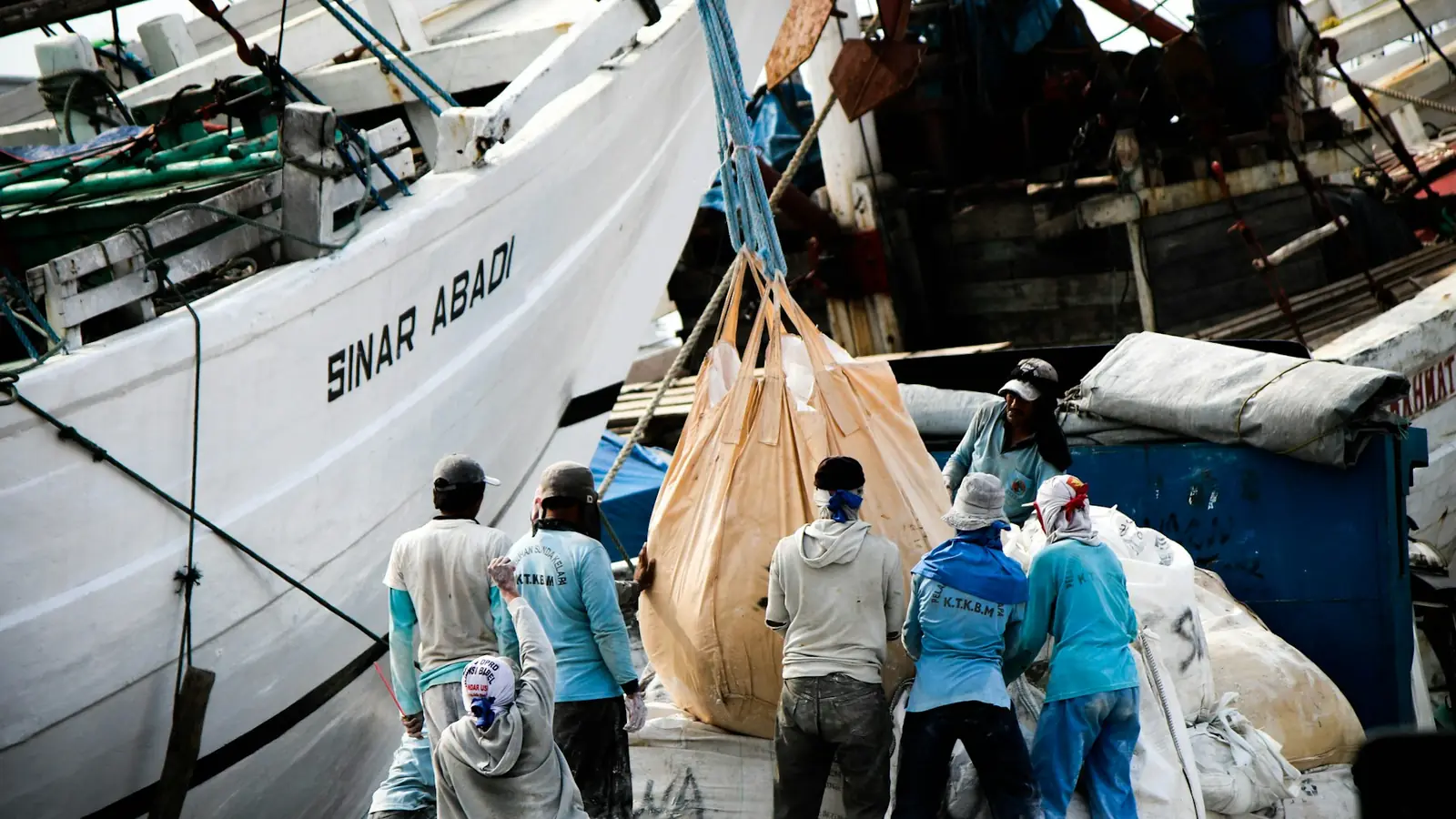
The classic overland route runs: Bali–>Lombok–>Poto Tano–>West Sumbawa–>rest of island. This is how boards, fuel and food move; it is also how a certain kind of surf traveller still likes to arrive.
Basic structure
- South/west Bali–>Padangbai (Bali ferry port): 1.5–3 hours by car/driver.
- Padangbai–>Lembar (Lombok) ferry: public RoRo ferry, typically 4–5 hours crossing, plus loading/unloading time.
- Lembar–>Kayangan (east Lombok) by road: around 2–3 hours by car/driver.
- Kayangan–>Poto Tano (West Sumbawa) ferry: regular RoRo ferries, crossings often 1.5–2 hours, timing can flex with sea and traffic.
- Poto Tano–>West Sumbawa surf coast: roughly 1–3 hours by road depending on where you stay (Maluk, Sekongkang, etc.).
How long does it really take?
With a private driver handling tickets and queueing, a full Bali–West Sumbawa overland day often runs:
- Fast, smooth day with minimal waits: ~12–14 hours door-to-door.
- More typical with queues and traffic: 14–18 hours.
This is not a half-day errand. Plan snacks, layers for windy decks, and some patience.
Comfort level and trade-offs
Pros:
- No checked-luggage caps beyond what you can fit in a vehicle.
- Boardbags travel with you; less risk of missed connections.
- Scenic – rice fields, volcano views, the long spine of Lombok’s coast.
- Can break the journey in Lombok’s south or Sekotong for a night or two.
Cons:
- Significantly longer and more tiring than flying.
- Ferry schedules are 24-hour but not always punctual; queues can be long at holidays.
- Public ferries are basic: metal benches, simple warungs, noisy engine decks.
- Night arrivals in West Sumbawa mean driving coastal roads in the dark – doable with a good local driver, but not everyone’s idea of wild luxury.
Costs for a Bali–to–West Sumbawa vehicle with driver, including both ferries, fuel and driver’s expenses, are typically quoted as a single door-to-door rate. As of last verification (June 2026), we see ranges in the low-to-mid millions of rupiah one way, depending on vehicle size and how many nights of the driver’s time you are using. This should always be confirmed by quote with a licensed transport provider.
Which gateway: SWQ vs BMU vs Poto Tano?
Your ideal entry point depends entirely on your end destination. Here is the simple version.
| Destination | Best arrival point | onward transfer time* | Notes |
|---|---|---|---|
| West Sumbawa (Maluk, Supers, Yo-Yo’s, Sekongkang) | SWQ (Sumbawa Besar) or Poto Tano overland | SWQ–>coast ~4–6 hrs; Poto Tano–>coast ~1–3 hrs | SWQ + car is fastest by air; Poto Tano suits overland journeys and heavy gear. |
| Moyo Island | SWQ (Sumbawa Besar) | SWQ–>Moyo transfer point ~1–2 hrs by car/boat; total ~2–4 hrs | Private boat transfers arranged via accommodation; timing depends on sea and schedule. |
| Hu’u / Lakey Peak area | BMU (Bima) | BMU–>Lakey ~2.5–4.5 hrs by car | Some operators run shared/chartered transfers; road is paved but can be slow. |
| Central Sumbawa (Taliwang, Sumbawa Besar region) | SWQ (Sumbawa Besar) | Varies 1–4 hrs | SWQ is the functional hub for government / business travellers. |
*All times are typical ranges in normal conditions, last verified June 2026. Weather, traffic, roadworks and holiday congestion can extend them.
Hu’u / Lakey Peak via BMU
For the Lakey / Hu’u surf corridor, BMU is the logical hub. From Bima airport:
- Drive time to Lakey: ~2.5–4.5 hours depending on stops, traffic and road conditions.
- Vehicle type: usually a private car or minivan; occasionally shared with other surfers if arranged.
Transfers are often organised by your Lakey accommodation or a local operator. The road is sealed but sections can be potholed; night driving is common but can feel long if you’ve already flown that morning.
West Sumbawa surf coast via SWQ or Poto Tano
The breaks around Maluk and Sekongkang are usually accessed in one of two ways:
- SWQ to West Sumbawa by road: SWQ–>Maluk/Sekongkang is typically 4–6 hours by private vehicle. This keeps the trip mostly on tarmac, with some winding coastal stretches.
- Poto Tano to West Sumbawa by road: off the Kayangan–Poto Tano ferry, you are ~1–3 hours from many West Sumbawa stays. Ideal if you are doing the full overland route.
If your lodge or villa is in the south of the West Sumbawa peninsula, transfer distances can stretch; always ask for their real door-to-door time, not just “about three hours.”
Moyo Island via SWQ
For Moyo, SWQ is the essential gateway. From there, you will typically:
- Drive from SWQ airport to the jetty or harbour point designated by your lodge or liveaboard provider (~30–90 minutes).
- Take a private or lodge-organised boat across to Moyo, usually 1–2 hours depending on vessel and conditions.
Some higher-end stays on Moyo or nearby islands can arrange bespoke transfers, timed to your incoming flight. This can tighten a long day significantly and is often worth the coordination if you value a smoother experience.
Typical timings & what to expect on each leg
Travel time is only half the story; your day feels very different on a short-hop turboprop versus an overnight ferry run. Here is how the routes feel in practice.
Domestic flights: DPS, LOP, SWQ, BMU
On the ground: DPS can be crowded and slow at security; LOP, SWQ and BMU are smaller and usually more straightforward. Check-in counters often open 2 hours pre-flight for domestic sectors; arriving earlier than that doesn’t always help.
In the air: Most flights are on narrowbody jets or turboprops – functional, short, and usually without seat selection drama. You will often see volcanoes through the window: Rinjani, Tambora, a row of islands stitched across the horizon.
Delays and cancellations:
- More likely in rainy season (roughly November–March), especially in the afternoons.
- Tight self-organised connections (separate tickets) can be risky; build buffers.
- Always keep one change of clothes and basic essentials in your hand luggage.
Ferries: Padangbai–Lembar and Kayangan–Poto Tano
Padangbai–Lembar: Expect a utilitarian ferry: trucks and buses below, passengers above on metal benches. There are basic warungs selling instant noodles, coffee, snacks. You can sit outside for air; the sun and wind are strong, so a scarf or light jacket is welcome at night.
Kayangan–Poto Tano: Shorter, but structurally similar: RoRo ferries run by state and private operators. Crossing the strait can be smooth or choppy depending on the day; seas are often calmer early morning and at night.
Tickets and queues: Your driver typically handles queueing and payment. At busy times (Lebaran, Christmas/New Year, major national holidays) wait times can balloon; it is common to see queues of trucks and buses. Travel outside those peaks is naturally calmer.
Road transfers
Sumbawa’s roads run from newly paved stretches to older sections with potholes and occasional roadworks. Expect:
- Speeds that feel slower than the distance would suggest – 40–60 km/h average, sometimes lower.
- Village traffic: scooters, livestock, children near the verge.
- Limited roadside services in some stretches; your driver will know where the reliable stops are.
Night transfers are common but can be more tiring; if you prefer daylight driving, plan your inbound flights accordingly.
Planning your transfers: practical tips
Because Sumbawa is still lightly trafficked compared with Bali, small changes in flights and ferries can ripple through an itinerary. A bit of planning keeps it smooth.
Match your route to your priorities
- Surf mission with limited days: Fly DPS–>LOP–>BMU or SWQ with conservative connection windows; arrange a private transfer on arrival so you are in the lineup the next morning.
- Slow overland exploration: Use the Bali–Lombok–Poto Tano route, breaking the journey overnight in south Lombok or Sekotong; continue to West Sumbawa the following morning.
- Eco-luxury break on Moyo: Prioritise a routing that has you into SWQ by mid-morning or midday; align with your lodge’s transfer time.
Build buffers, not stress
In Indonesia, a 45-minute theoretical connection between domestic flights is possible but not kind to your nervous system. Aim for:
- At least 90–120 minutes between domestic legs on the same ticket.
- At least 3 hours if flights are on separate tickets or different carriers.
- Overnight in Bali or Lombok when landing late evening before an early domestic departure.
Luggage: surfboards and gear
For surfers and divers, luggage is often the deciding factor between flying and overland.
- Domestic flight policies: Each airline has its own boardbag rules and oversize fees; these change and should be checked directly before booking. Expect size caps, weight caps, and sometimes additional handling fees.
- Overland/ferry: If you can fit it in a car, it can usually come – no tape measure, just physics. Just be realistic: multiple coffins plus large suitcases will need a larger vehicle.
Seasonality and sea conditions
Sea states for the Kayangan–Poto Tano ferry and local boat transfers to Moyo or other islands vary by season:
- Dry/South-East trade period (roughly May–September): more consistent surf season; winds can be strong; crossings can be windy with chop, especially in the afternoons.
- Wet/North-West monsoon period (roughly November–March): more rain, squalls and potential for rough patches at sea; certain transfers may be re-timed around conditions.
No one can guarantee flat seas; build some flexibility into plans involving smaller boats.
How Sumbawa Luxury fits in
We don’t run airlines, ferries or cars, and we don’t operate lodges. Our role is to:
- Help you compare realistic routes for your dates and priorities.
- Sense-check connection windows against typical delays and timings.
- Connect you with a vetted operating partner who can book flights and ground transfers as a single, accountable chain.
We keep our access facts and timing ranges grounded in on-the-ground checks and recent traveller feedback. No one can pay to change what we publish; if you proceed with our partner they may pay us a referral fee at no extra cost to you.
If you’d like a routed Bali–to–Sumbawa itinerary mapped to your surf or stay wish-list, you can plan your trip with us or message via WhatsApp on +62 811 3941 4563.
Sample Bali–Sumbawa itineraries
To turn theory into something you can picture, here are three sample day profiles. They’re not fixed packages, just realistic skeletons for planning.
1. Canggu to Lakey Peak in one travel day (fly)
- 06:00 – Depart Canggu for DPS (private car).
- 07:30 – Check in for DPS–LOP flight.
- 09:30 – Fly DPS–>LOP (~35 minutes).
- 10:30 – Land LOP; early lunch and wait for connection.
- 12:30 – Fly LOP–>BMU (~40 minutes).
- 13:30 – Land Bima; meet driver.
- 14:00–18:00 – Drive BMU–>Lakey (with a stop en route).
By dinner, you’re at your Lakey stay, ready for a dawn paddle-out.
2. Seminyak to West Sumbawa via SWQ (fly)
- 07:00 – Leave Seminyak for DPS.
- 09:00 – Check in for DPS–LOP.
- 11:00 – Fly DPS–>LOP.
- 12:00–13:30 – Transit in LOP.
- 13:30 – Fly LOP–>SWQ.
- 14:15 – Land Sumbawa Besar; meet driver.
- 14:30–19:00 – Road transfer SWQ–>West Sumbawa coast.
It’s a full day, but you avoid ferries and are on the peninsula by evening.
3. Ubud to West Sumbawa overland + ferry (with Lombok night)
- Day 1 morning – Drive Ubud–>Padangbai.
- Day 1 midday/afternoon – Ferry Padangbai–>Lembar.
- Day 1 evening – Drive to south Lombok; overnight at a coastal stay.
- Day 2 morning – Drive south Lombok–>Kayangan.
- Day 2 midday – Ferry Kayangan–>Poto Tano.
- Day 2 afternoon – Drive Poto Tano–>West Sumbawa surf area.
This suits travellers who treat the journey as part of the trip, not a hurdle to clear.
Next steps: stitching your Bali–Sumbawa route together
From here, the best move is usually:
- Decide your primary base – West Sumbawa, Lakey/Hu’u, Moyo, or a combination.
- Check your international flight timings into/out of DPS.
- Align domestic legs and transfers around those anchors, with buffers.
- Book early for peak surf and holiday periods.
Our regional “Getting There” pillar goes deeper into Indonesia-wide access, and our stay guides for West Sumbawa and Lakey / Hu’u dig into where to actually sleep once you’ve arrived.
If you’d like this translated into a routed, bookable plan with a single ground partner, you can plan your trip with us or message our logistics team via WhatsApp at +62 811 3941 4563 or email [email protected].
FAQs: Sumbawa from Bali
Is there a direct Bali to Sumbawa flight?
Sometimes. Direct DPS–SWQ or DPS–BMU flights appear on certain timetables in some seasons, but they are not guaranteed year-round. The more reliable pattern is DPS–>LOP–>SWQ/BMU. For your dates, you’ll need to check current schedules or have a local partner check across carriers.
How long is the ferry from Lombok to Sumbawa?
The Kayangan (east Lombok) to Poto Tano (West Sumbawa) ferry crossing usually takes around 1.5–2 hours at sea, but loading/unloading and queue times can extend the port-to-port experience to 3 hours or more, especially at holidays.
Can I get from Bali to Lakey Peak in one day?
Yes, many travellers do. A morning DPS–>LOP–>BMU routing plus a same-day transfer Bima–>Lakey typically gets you in by late afternoon or early evening, assuming flights are on time. It means an early start and a full travel day, but you are surfing next morning.
Is the overland ferry route safe?
Thousands of locals use the Padangbai–Lembar and Kayangan–Poto Tano ferries every week. The experience is basic rather than polished: simple facilities, variable cleanliness, and a relaxed approach to time. Travelling with a trusted driver, avoiding peak-holiday chaos where possible, and keeping valuables close are the main practical steps.
Should I fly into SWQ or BMU?
Fly into SWQ (Sumbawa Besar) if you are heading to West Sumbawa’s surf coast or to Moyo and nearby islands. Fly into BMU (Bima) if your focus is Hu’u/Lakey Peak and east-coast surf or exploring Sumbawa’s eastern interior. If you plan to cross the whole island, a SWQ-in/BMU-out (or vice versa) open-jaw routing can save backtracking.
Keep Reading

Uncategorized
Moyo Island Resort Price: What Affects The Cost
Clear guide to moyo island resort price: what drives costs, logistics, seasons and inclusions, plus how to get an accurate…

Uncategorized
Supersuck Sumbawa: Surf Guide To West Sumbawa’s Wall
Supersuck Sumbawa surf guide to West Sumbawa's heaviest left: access, seasons, how it breaks, who it suits, where to stay,…
Uncategorized
Sumbawa For Beginner Surfers: An Honest Guide
Honest sumbawa beginner surf guide: reef reality, mellow options, best bases, seasons and safety tips for learning to surf Sumbawa…