
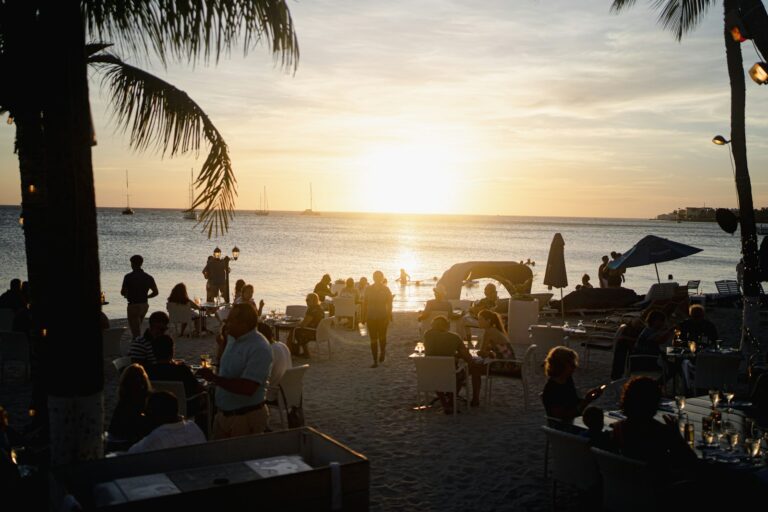
Sekongkang vs Maluk: Where To Base In West Sumbawa
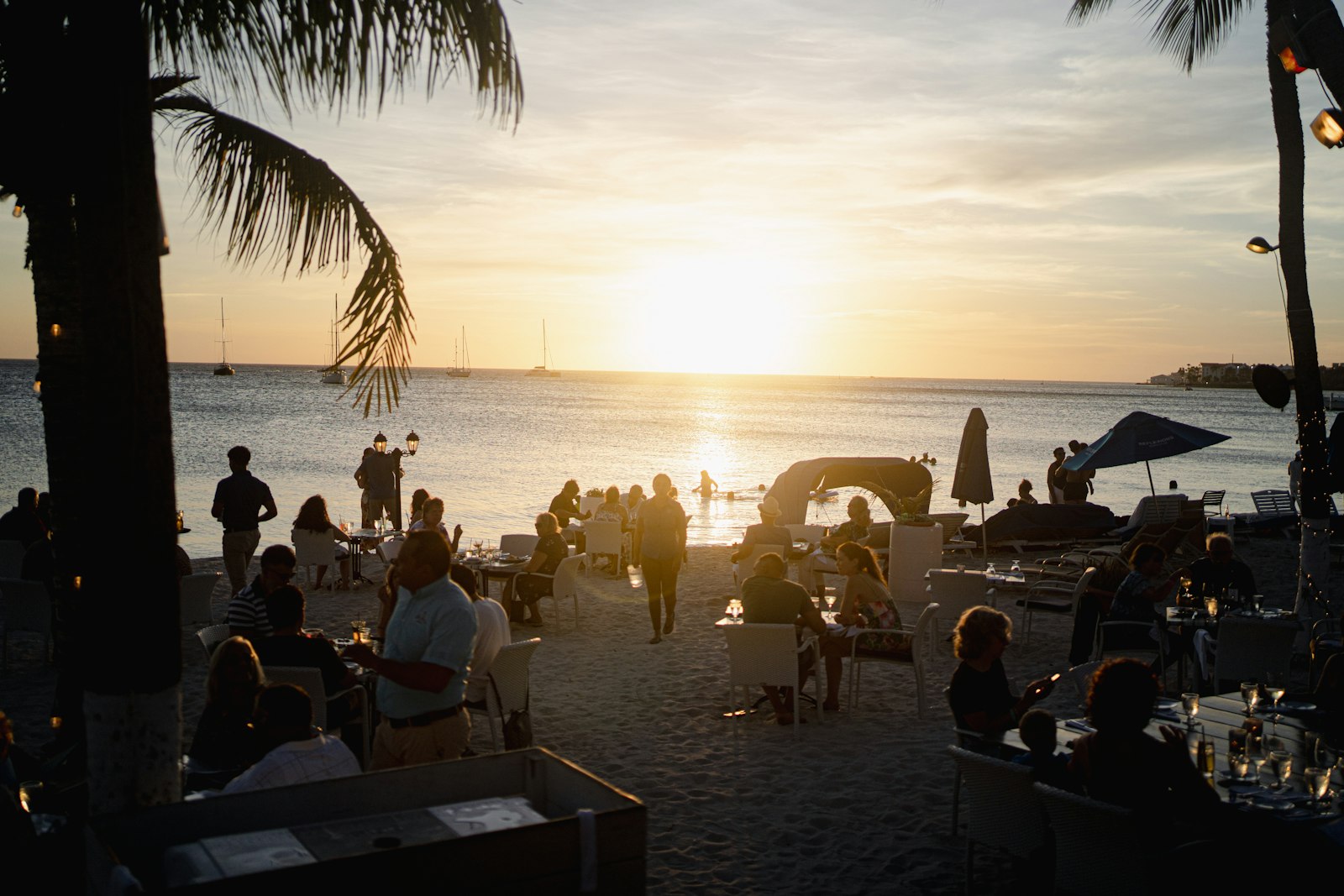
“Sekongkang vs Maluk Sumbawa” is really the core decision for anyone planning a West Sumbawa surf trip. Both are small coastal towns on the same west coast run, both give access to Supersuck, Scar Reef and Yoyos, but they feel different on the ground and work better for different kinds of trips.
Sekongkang vs Maluk overview
West Sumbawa is essentially one long rural coast, but in practice most travelling surfers and ocean-focused travellers end up based in one of two places:
- Sekongkang Sumbawa – a quiet surf village closest to Yoyos and a cluster of other reefs, with a more “surf camp” rhythm.
- Maluk Sumbawa – a slightly larger service town at the head of Maluk Bay, with easier access to Supersuck and more non-surf infrastructure.
From both bases you can reach the marquee breaks of West Sumbawa by car or bike. The trade-offs are in drive times to each spot, how much “town” you want around you, and what kind of stay you prefer (from surf lodges to simpler homestays). This guide breaks that down clearly, then helps you decide your ideal West Sumbawa base.
Sumbawa Luxury is a guide and surf concierge, not an operator. We don’t own any of the stays we mention; they’re neutral examples based on on-the-ground checks and long-term knowledge. No one can pay to change what we publish; if you proceed with our partner they may pay us a referral fee at no extra cost to you.
What each town is like
Sekongkang: Surf village at the end of the road
Sekongkang is more a loose cluster of beachside warungs, homestays and surf camps than a “town” in the traditional sense. Palms, red dirt tracks, the occasional rooster, and the low thud of waves on the outer reefs set the tone.
Expect:
- Surf-focused energy – Your neighbours are mostly surfers, spearfishers and long-stay wave chasers. Dawn patrol and early nights are the norm.
- Limited but present basics – Small shops for snacks and essentials, simple Indonesian eateries, and basic ATMs in the wider area, but no malls or nightlife.
- Quieter evenings – Once the last light fades off the headlands, it’s usually just the sound of the ocean and a few generator hums.
Sekongkang works best if your priority is: wake up, check Yoyos, surf, repeat. You trade some convenience for immediacy to waves and a more immersed coastal feel.
Maluk: Service town on a broad bay
Maluk is the practical hub of this part of West Sumbawa. It grew around mining and local industry, then adapted to support surfers heading for Supersuck and the south-west reefs.
Expect:
- More “town” structure – A defined main street, small supermarkets, more ATMs, mechanics and pharmacies.
- Local–expat mix – A blend of families, workers and travelling surfers. You’ll see more everyday Sumbawanese life than in purely surf-focused pockets.
- Beach but not a marquee wave out front – Maluk Bay is scenic and swimmable in spots, but the headline surf is a short drive away, not at your doorstep.
Maluk suits travellers wanting a bit more cushioning: access to clinics, more food options, and a base that works even if the surf goes flat for a day or two.
Break access from each West Sumbawa base
Both Sekongkang and Maluk give workable access to the same core West Sumbawa surf cluster. The difference lies in drive times and how easy it is to be on the right break at the right tide without spending your whole trip on a bike.
The ranges below are ballpark travel times last verified June 2026, and depend on road works, rain and your comfort level on a scooter or in a car.
| Break | From Sekongkang | From Maluk | Notes |
|---|---|---|---|
| Yoyos | ~0–10 minutes | ~35–50 minutes | Nearest to Sekongkang; a staple for most trips. |
| Supersuck | ~45–60 minutes | ~15–25 minutes | Closer to Maluk and the Maluk Bay area. |
| Scar Reef | ~45–75 minutes | ~35–60 minutes | Rural roads; timing and tides matter. |
| Other nearby reefs | Often 10–30 minutes | Often 20–45 minutes | Expect some dirt tracks and tide-dependent options. |
For detailed wave breakdowns, see our dedicated guides to Supersuck, Yoyos and our comparison of Scar Reef vs Supersuck.
From Sekongkang: Yoyos on your doorstep
- Yoyos – The defining advantage of a Sekongkang base. Many stays sit within a short walk or a couple of minutes’ ride of the wave, so you can thread in multiple shorter sessions around tides and wind.
- Driving to Supersuck – You’ll usually ride or drive north via Maluk, then out toward the point. Doing dawn patrol here from Sekongkang is possible but more effort; you’ll likely commit to fewer but longer sessions to make the trip worthwhile.
- Scar Reef missions – From Sekongkang, Scar Reef is a committed outing: early start, bumpy stretches, tidal windows. Fine for a few mission days; less ideal if Scar is your main target.
From Maluk: Supersuck sessions made easy
- Supersuck – If this ultra-low-tide left is your big objective, Maluk gives you the shortest approach. Your call becomes more about chasing the fickle tide and swell windows, not long commutes.
- Yoyos runs – You can still surf Yoyos regularly from Maluk, but you’ll feel every double session in your legs. Many surfers in Maluk treat Yoyos days as half or full-day excursions.
- Scar Reef and beyond – Similar commitment from both towns, though some Maluk-based guides and drivers time runs to maximise sessions around Scar, Little Bingin and other nearby reefs.
If you’re set on a wave-first itinerary and haven’t yet locked in your priority spot, plan your trip with us via WhatsApp (+62 811 3941 4563) and we’ll map break access against your dates and experience level.
Stay styles and atmosphere
Both Sekongkang Sumbawa and Maluk Sumbawa offer a spectrum from simple rooms to more styled eco-luxury stays. Supply changes often; what follows are general patterns confirmed against current field notes and our FACTS file (last verified June 2026), not exhaustive lists.
Sekongkang stays: Surf lodges and low-key comfort
Sekongkang leans toward surf-focused accommodation clustered near Yoyos and nearby beaches.
Expect:
- Surf lodges and camps – Mid-range rooms with fans or AC, board storage, on-site or nearby meals, and shared social spaces. Many are walking distance to the beach.
- Simple bungalows – Freestanding rooms or small cottages, often with mosquito nets, cold or semi-warm water, and shaded verandas. Comfort over flashiness.
- A few eco-luxury options – Think limited-villa properties using timber and stone, more thoughtful design, better mattresses and more privacy. Usually still small-scale and off-grid-aware.
Atmosphere is typically:
- Surf talk over sunset beers more than cocktails and playlists.
- Shared logistics – Boat runs, 4×4 trips and scooters are often coordinated informally between guests and staff, which adds to the “crew” feel but can be loose on exact timings.
Trade-offs in Sekongkang:
- Pros – Close to Yoyos, more immersive surf rhythm, some increasingly refined stays that still feel remote.
- Cons – Fewer independent restaurant choices, limited medical facilities nearby, and less to do in walking distance if the surf is flat and you don’t have wheels.
Maluk stays: Practical comfort with local life around you
Maluk, being more of a working town, offers a broader mix of accommodation types, from basic guesthouses to small hotels and villas on or near Maluk Bay.
Expect:
- Town guesthouses and small hotels – Clean, functional rooms, usually with AC and private bathrooms. Good as a practical base if you’ll be driving daily to surf spots.
- Bay-view stays – A handful of properties overlooking or near the water that give more of a “holiday” feel, with gardens or pools and easier access to the beach for swims and sunsets.
- Homestays – Family-run options where you share space more closely with local hosts; usually simple but culturally richer.
Atmosphere is typically:
- Mixed-purpose – You’ll share breakfast space with local travellers and workers as often as surfers.
- More amenities nearby – Walkable warungs, coffee spots and small shops. You’re not reliant on your stay for every meal.
Trade-offs in Maluk:
- Pros – Shorter runs to Supersuck, more services and food variety, and a base that also works for non-surfing partners or families.
- Cons – Longer daily drives to Yoyos, less of the “surf village” vibe, and more separation between where you sleep and where you surf.
Price ranges and expectations
Accommodation prices shift with season, currency and fuel, so treat these as broad brackets for a private room for two (last verified June 2026):
- Budget homestay / simple guesthouse
- Often in the range where you trade AC or hot water for value and local connection.
- Mid-range surf lodge / small hotel
- Common band for surfers: AC rooms, daily cleaning, on-site food or easy access to warungs.
- Higher-end villa / eco-luxury stay
- More privacy, design-led spaces, stronger wifi, and more intentional service. Still limited stock, especially in Sekongkang.
To match your budget to real-time availability and standards (and avoid places that look good on old listings but have slid), plan your trip with us or message WhatsApp +62 811 3941 4563 for a shortlist and by-quote ranges.
Logistics and getting around
Getting to West Sumbawa
The main gateways for both Sekongkang and Maluk are:
- Lombok–Sumbawa by ferry – Overland via Lombok’s south or west coast, then public or chartered ferry to Sumbawa, continuing by road. This is common for overland surf trips, especially if you’re bringing your own boards in quantity.
- Flights into Sumbawa Besar or Bima – Domestic flights from major Indonesian hubs, followed by a long but scenic drive west along the coast. Better for those short on time and light on luggage.
From ports or airports, you’ll typically continue by private car, shared transfer organised via your stay, or a mix of public transport and chartered rides. Road quality varies from good asphalt to patched sections with potholes, especially after big rains.
Local transport: scooters, cars and guided runs
In both Sekongkang and Maluk, your main options are:
- Scooter rental – The most flexible for solo surfers or pairs, but only advisable if you’re confident on mixed-condition roads and comfortable strapping boards. Helmets are non-negotiable.
- Car and driver – More common for groups, families or those chasing multiple breaks with minimal stress. You can often arrange per-day hire where the driver waits while you surf.
- Boat trips (where available) – At certain tides and conditions, local operators may offer boat runs to closer reefs. These are supplement, not full substitutes, for road access.
Fuel availability along the main roads is generally reliable, via both official stations and roadside drums, but it pays to top up before long scar reef or Supersuck missions.
Seasonality and conditions
Most surfers target West Sumbawa during the drier months when trade winds predominately favour the main breaks and road access is simpler. Shoulder periods can be uncrowded and rewarding, but you accept more variability in swell, wind and track conditions.
Waves here can carry real power; experience level matters. Some breaks are friendlier, others are heavy, low-tide barrels over shallow reef. We recommend matching your base to your comfort level and having at least one experienced surfer or local guide in your orbit when trying heavier reefs for the first time.
Which West Sumbawa base to choose
This is the crux: if you’re choosing between Sekongkang vs Maluk Sumbawa, how do you decide?
Choose Sekongkang if…
- Yoyos is your primary wave – You want to surf it daily, sometimes twice or three times, without long drives.
- You value surf-village atmosphere – Your ideal evening is a simple meal, tide checks for tomorrow, early bed.
- You’re comfortable with a bit more remoteness – Limited eating options, fewer non-surf diversions, but a more elemental coast experience.
- You’re planning a dedicated surf mission – This is less a family holiday hub and more a wave-focused outpost (though some eco-luxury options are softening that line).
Choose Maluk if…
- Supersuck is your main objective – You want easiest access to its short, tide-sensitive windows.
- You like having a town around you – Supermarkets, ATMs, small clinics and more variety in food.
- You’re travelling with non-surfers or family – They can wander town, enjoy Maluk Bay, and have more to do while you chase waves.
- You’d rather drive to waves than sleep in a very quiet village – Maluk balances surf access with everyday convenience.
Split-base strategy: both Sekongkang and Maluk in one trip
For longer trips (10 days or more), a split stay can make sense:
- Phase 1: Maluk base – Target Supersuck and nearby reefs during an incoming swell cycle, with town comforts.
- Phase 2: Sekongkang base – Shift south once Yoyos or other nearby breaks are lining up, and settle into a more surf-centric rhythm.
The two are close enough that changing base is a half-day adjustment, not a lost day. If you want help timing that dance with real forecasts and road intel, plan your trip with us or message WhatsApp +62 811 3941 4563 and we’ll sketch a route.
How we help you choose and book
Sumbawa Luxury exists to decode, not to sell you a single “house” or package. Our role in the Sekongkang vs Maluk Sumbawa decision is to:
- Compare bases honestly, including downsides like road fatigue or limited dining.
- Cross-check stays, drivers and guides against recent on-the-ground reality.
- Share by-quote pricing ranges and availability through a vetted local operating partner.
- Connect you, then step back: you deal directly with the operator for final confirmation and payment.
No one can pay to change what we publish; if you proceed with our partner they may pay us a referral fee at no extra cost to you. The aim is simply to get you into the right corner of West Sumbawa, with your eyes open to the real logistics, trade-offs and rewards.
If you’re still torn between Sekongkang and Maluk—or you’re planning for a specific window and swell—send a quick outline of your dates, group, and surf level to WhatsApp +62 811 3941 4563 or plan your trip via our form and we’ll respond with a simple, tailored base recommendation.
FAQs: Sekongkang vs Maluk Sumbawa
Is Sekongkang or Maluk better for first-time West Sumbawa visitors?
For most first-time visitors, Maluk is a softer landing thanks to more services, food options and easier access to Supersuck. If you’re a confident intermediate or above and primarily chasing Yoyos, Sekongkang can be a better fit, provided you’re comfortable with a quieter, more remote feel.
Can I stay in one place and surf all the major West Sumbawa breaks?
Yes, you can reach Yoyos, Supersuck and Scar Reef from either Sekongkang or Maluk, but you’ll spend more time on the road to some spots. If you only choose one base, pick Sekongkang for Yoyos-focused trips and Maluk for Supersuck-centric missions, and accept that the other marquee waves will be longer day trips.
Is a scooter enough to get around Sekongkang and Maluk?
A scooter is usually enough for confident riders, especially for the main paved routes. However, some access roads to outlying reefs can be rough or muddy after rain. Many travellers combine scooters for short hops with hired cars or drivers for longer missions, particularly to Scar Reef or during wet spells.
Are Sekongkang and Maluk suitable for non-surfers?
Maluk is generally more comfortable for non-surfers, with town life, Maluk Bay and easier access to basic services. Sekongkang can still work for non-surfers who enjoy quiet beaches and simple days, but it’s more limited in structured activities and dining variety.
Can I decide my base after I arrive in West Sumbawa?
You can, but during peak surf periods the better stays in both Sekongkang and Maluk often book out. It’s safer to lock in at least your first base in advance, then adjust later if availability allows. If you want a flexible plan, contact us early so we can map options and hold space where possible.
Keep Reading
Uncategorized
Moyo Island Resort Price: What Affects The Cost
Clear guide to moyo island resort price: what drives costs, logistics, seasons and inclusions, plus how to get an accurate…

Uncategorized
Supersuck Sumbawa: Surf Guide To West Sumbawa’s Wall
Supersuck Sumbawa surf guide to West Sumbawa's heaviest left: access, seasons, how it breaks, who it suits, where to stay,…
Uncategorized
Sumbawa For Beginner Surfers: An Honest Guide
Honest sumbawa beginner surf guide: reef reality, mellow options, best bases, seasons and safety tips for learning to surf Sumbawa…